Films
1 film
About Misao Seki
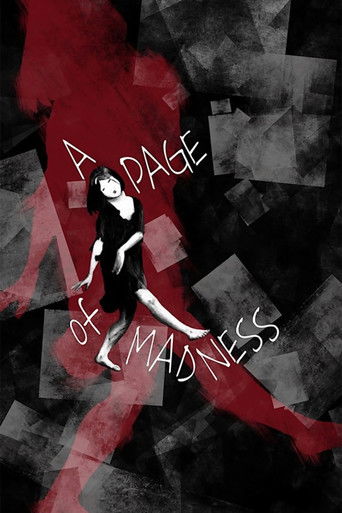
The 1926 film A Page of Madness is the only title linked here for Misao Seki. His entire known filmography consists of a single, yet profoundly significant, role in the avant-garde masterpiece 'A Page of Madness' (Kurutta Ichipeiji) in 1926. This film, directed by Teinosuke Kinugasa, was a work of Japanese experimental cinema, heavily influenced by German Expressionism. Seki's performance within the film contributed to its surreal and disorienting atmosphere, which was revolutionary for its time. The film itself was considered lost for decades until a print was rediscovered by Kinugasa in his personal storehouse in 1971, bringing Seki's work back into the public eye. Beyond this one appearance, there is no documented evidence of a broader film career for Misao Seki, making him a fascinating one-film actor whose legacy is inextricably linked to this landmark of cinematic history. His brief career highlights the collaborative nature of early Japanese cinema, where many artists contributed to singular, innovative projects before fading into obscurity.
The Craft
On Screen
While specific details of Misao Seki's acting style are not documented, his performance in 'A Page of Madness' would have adhered to the exaggerated physical and facial expressions common in silent film acting. Given the film's Expressionist and surreal nature, his performance was likely highly stylized, contributing to the dreamlike and chaotic atmosphere of the asylum setting rather than aiming for naturalistic portrayal.
Milestones
- Appeared in the landmark avant-garde film 'A Page of Madness' (1926)
Best Known For
Iconic Roles
Must-See Films
Working Relationships
Worked Often With
Studios
Why They Matter
Impact on Culture
Misao Seki's cultural impact is entirely derived from his participation in 'A Page of Madness', a film that stands as a monumental achievement in cinematic history. Though his individual contribution is a small part of the whole, the film itself radically challenged the conventions of Japanese cinema, moving away from the prevalent Kabuki-influenced style towards a more psychological and modernist approach. The rediscovery of the film in the 1970s sparked a re-evaluation of Japan's silent era, and by extension, brought attention to the cast and crew who created it. Seki is forever a part of a work that demonstrated the global nature of cinematic modernism in the 1920s, proving that avant-garde experimentation was not confined to Europe or the Soviet Union.
Lasting Legacy
The legacy of Misao Seki is that of a cinematic ghost, an actor whose name survives only because of his association with a single, legendary film. He represents the countless anonymous artists who contributed to the masterpieces of early cinema. While his name may not be widely known, his image is preserved in. His legacy serves as a reminder of the collaborative art of filmmaking and the often-without on-screen billing individuals who helped shape its history. For film scholars and enthusiasts, Misao Seki is a symbol of the lost history of early film and the fragments that have been miraculously preserved.
Who They Inspired
Given the lack of information about his career and any other work, it is impossible to trace Misao Seki's direct influence on other actors or filmmakers. His influence is indirect, channeled through the enduring power of 'A Page of Madness'. The film has inspired generations of directors with its bold visual language and narrative experimentation. Therefore, Seki's influence lies in his contribution to a foundational text of avant-garde cinema that continues to influence artists to this day.
Off Screen
Virtually no personal information about Misao Seki is available in historical records. His existence is known almost exclusively through his film credit in 'A Page of Madness'. The lack of biographical data is not uncommon for supporting actors from the silent era in Japan, many of whom were part of theater troupes or temporary film crews and whose lives were not documented for posterity.
Did You Know?
- Misao Seki's entire known filmography consists of just one film.
- His film, 'A Page of Madness,' was considered lost for over 45 years before its rediscovery in 1971.
- The screenplay for 'A Page of Madness' was written by famed Nobel Prize-winning author Yasunari Kawabata, though this credit is now disputed by some scholars.
- The film was produced independently and financed by the cast and crew, including director Teinosuke Kinugasa, who sold his wife's jewelry to raise funds.
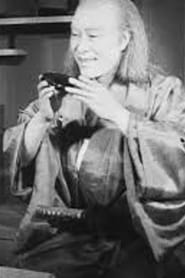
- Misao Seki played the role of the janitor in the asylum, a central figure whose perspective drives the film's fragmented narrative.
- No intertitles were used in the original version of the film, relying purely on visual storytelling to convey its complex plot.
- The film's avant-garde style was heavily influenced by German Expressionist films like 'The Cabinet of Dr. Caligari' and 'The Last Laugh.'
- A benshi (silent film narrator) would have provided live narration during screenings in 1920s Japan, but no script for this narration survives.
- Misao Seki is one of several cast members from the film about whom virtually nothing is known outside of this single role.
Frequently Asked Questions
Who was Misao Seki?
Japanese with credits in this catalog. His career appears to have been limited to this single, yet highly significant, film credit.
What film is Misao Seki best known for?
Misao Seki is solely known for his performance as the janitor in Teinosuke Kinugasa's landmark experimental film, 'A Page of Madness' (1926). The film is celebrated as a masterpiece of Japanese and world cinema.
When was Misao Seki born and when did he die?
The birth and death dates for Misao Seki are unknown. Detailed biographical information for many supporting actors from the 1920s Japanese film industry was not preserved, and he is one such figure lost to history.
What awards did Misao Seki win?
There are no records of Misao Seki receiving any awards or nominations for his work. The film industry in Japan in the 1920s did not have the same formalized award system that exists today.
What was Misao Seki's acting style?
While not specifically documented, his acting in 'A Page of Madness' would have been highly stylized to match the film's Expressionist tone. It likely relied on physical gestures and facial expressions typical of silent-era performance to convey the story's psychological themes.
Why is Misao Seki a notable figure despite having only one film credit?
His notability comes entirely from his participation in 'A Page of Madness,' a film of immense historical and artistic importance. Being part of such a groundbreaking and influential work ensures his place in film history, even as an enigmatic figure.
Was 'A Page of Madness' the only film Misao Seki ever made?
Based on all available historical records and film archives, 'A Page of Madness' is the only film credited to Misao Seki. He is considered a one-film actor, a phenomenon not entirely uncommon for the period.