Films
1 film
About Minoru Takase
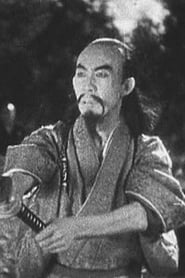
Japanese actor active during the silent film era of the 1920s. His known filmography consists of a single appearance in Teinosuke Kinugasa's avant-garde masterpiece 'A Page of Madness' (Kurutta Ichipeiji) in 1926. This film was considered lost for decades before being rediscovered in the 1970s, making documentation of its cast particularly challenging. Takase appeared Japanese cinema when experimental filmmaking was pushing boundaries despite the industry's commercial constraints. His brief screen career coincided with the golden age of Japanese silent films, though little is known about his other potential work or whether he transitioned to sound films. Like many supporting actors of his era, detailed records of his life and career remain scarce, reflecting the limited documentation practices for non-star performers in early Japanese cinema.
The Craft
On Screen
Based on his appearance in 'A Page of Madness', Takase employed the exaggerated physical acting style typical of Japanese silent cinema, using broad gestures and facial expressions to convey emotion in the absence of dialogue. His performance fit within the film's surreal, expressionistic atmosphere, contributing to the dreamlike quality that made the movie revolutionary for its time.
Milestones
- Appeared in 'A Page of Madness' (1926),
Best Known For
Iconic Roles
Must-See Films
Working Relationships
Worked Often With
Studios
Why They Matter
Impact on Culture
Minoru Takase's contribution to cinema, while limited to a single known film, places him within the context of. 'A Page of Madness' was decades ahead of its time in its psychological depth and visual innovation, influencing generations of avant-garde filmmakers worldwide. His participation in this groundbreaking work connects him to the modernist movement in Japanese cinema that challenged conventional storytelling techniques.
Lasting Legacy
Though his name is largely unknown outside of film scholarship circles, Minoru Takase is preserved as part of the legacy of 'A Page of Madness,' a film that has gained recognition. The rediscovery and restoration of this film have ensured that even minor contributors like Takase remain part of cinema history, representing the collective effort that created this masterpiece of silent cinema.
Who They Inspired
As a supporting actor in a single influential film, Minoru Takase's direct influence on other performers is difficult to trace. However, his work contributes to the overall impact of 'A Page of Madness' on experimental cinema, demonstrating how ensemble performances in avant-garde films could create powerful, dreamlike atmospheres that would inspire future generations of filmmakers exploring psychological themes and non-traditional narrative structures.
Off Screen
Very little is documented about Minoru Takase's personal life, which is typical for supporting actors from Japan's silent film era. Records from this period often focused primarily on star actors and directors, with less attention paid to ensemble cast members. His brief film career suggests he may have been a professional actor who worked primarily in other mediums such as theater, or possibly someone who only briefly entered the film industry.
Did You Know?
- 'A Page of Madness' was considered lost for over 45 years until a print was discovered in Kinugasa's garden shed in 1971
- The film was produced independently by a group of artists called the Shinkankakuha (New Perception School)
- Minoru Takase's name appears in cast lists but his specific role is not clearly documented in surviving materials
- The film's original negative was destroyed during World War II, making surviving prints extremely valuable
- The film had no original script - it was developed from improvisation and visual concepts
- Japanese silent films often had live narrators (benshi) who explained the action, meaning actors' performances were interpreted for audiences
- The film's innovative use of superimposition and rapid editing was revolutionary for 1926
- Many Japanese actors from the silent era, like Takase, remain poorly documented due to the destruction of studio records during WWII
Frequently Asked Questions
Who was Minoru Takase?
Japanese with credits in this catalog. His career appears to have been brief, with this being his only documented film role, making him part of cinema history through his participation in this groundbreaking experimental work.
What films is Minoru Takase best known for?
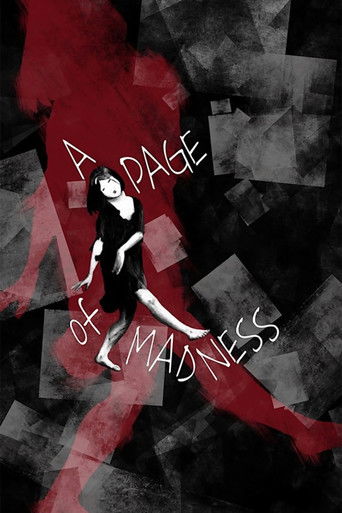
Titles linked here include A Page of Madness (1926).
When was Minoru Takase born and when did he die?
Specific birth and death dates for Minoru Takase are not documented in available historical records, which is common for supporting actors from Japan's silent film period. We know he was active in 1926 when he appeared in 'A Page of Madness,' but other biographical details remain unknown.
What awards did Minoru Takase win?
There are no documented awards or nominations for Minoru Takase, which was typical for supporting actors in Japanese cinema during the 1920s. The film industry's award systems were not as established as they would become in later decades, and recognition was often limited to major stars and directors.
What was Minoru Takase's acting style?
Based on his appearance in 'A Page of Madness,' Takase employed the physical, expressive acting style characteristic of Japanese silent cinema. This style emphasized broad gestures and facial expressions to convey emotion and story without dialogue, fitting perfectly within the film's surreal and expressionistic atmosphere.