Teinosuke Kinugasa
Director
Born: January 1, 1898 in Kameyama, Mie Prefecture, Japan Died: February 26, 1982 Active: 1922-1966
Films
2 films
About Teinosuke Kinugasa
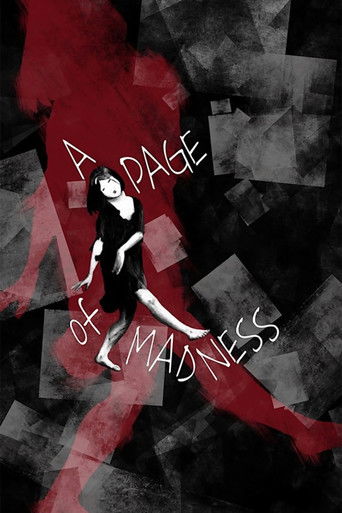
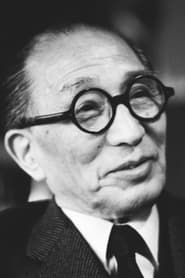
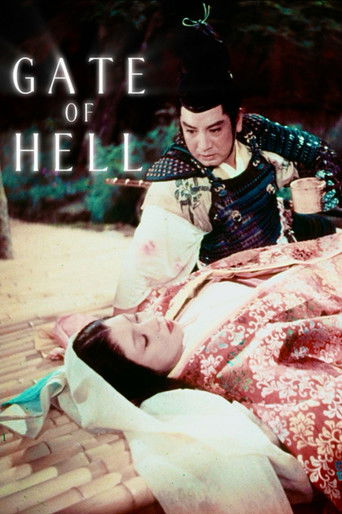
Japanese film director: four decades, from the silent era through the Golden Age of Japanese cinema. He began his career as an actor at the Nikkatsu studio in the early 1920s before transitioning to directing in 1922. Kinugasa achieved international acclaim with his avant-garde masterpiece 'A Page of Madness' (1926), a silent film that was lost for decades before being rediscovered in the 1970s. Throughout his career, he demonstrated remarkable versatility, directing everything from experimental art films to historical epics and contemporary dramas. His crowning achievement came with 'Jigokumon' (Gate of Hell, 1953), which won the Academy Award for Best Foreign Language Film and the Palme d'Or at Cannes, making him the first Japanese director to receive both honors. Kinugasa continued directing into the 1960s, adapting to changing cinematic trends while maintaining his distinctive artistic vision. His work represents a crucial bridge between Japan's silent film heritage and its post-war international recognition.
The Craft
Behind the Camera
Kinugasa's directing style evolved dramatically throughout his career. In his early period, particularly with 'A Page of Madness,' he employed avant-garde techniques influenced by German Expressionism and Soviet montage theory, using rapid cuts, superimpositions, and subjective camera work to explore psychological states. As his career progressed, he developed a more classical but still highly visual approach, known for his meticulous composition, use of color (especially in 'Jigokumon'), and ability to blend historical spectacle with intimate human drama. His later work demonstrated a mastery of traditional Japanese aesthetics combined with modern cinematic techniques.
Milestones
- Directed the avant-garde masterpiece 'A Page of Madness' (1926)
- Won Academy Award for Best Foreign Language Film for 'Jigokumon' (1953)
- First Japanese director to win the Palme d'Or at Cannes Film Festival
- Pioneered experimental techniques in Japanese silent cinema
- Successfully transitioned from silent films to sound era
- Directed over 100 films across various genres
Best Known For
Must-See Films
Accolades
Won
- Academy Award for Best Foreign Language Film for 'Jigokumon' (1954)
- Palme d'Or at Cannes Film Festival for 'Jigokumon' (1954)
- Academy Honorary Award (1954)
- Mainichi Film Award for Best Director (1953)
- Blue Ribbon Award for Best Director (1953)
- Kinema Junpo Award for Best Director (1953)
Nominated
- Academy Award nomination for Best Costume Design for 'Jigokumon' (1954)
- BAFTA nomination for Best Film for 'Jigokumon' (1955)
Special Recognition
- Order of the Sacred Treasure, 3rd Class (1975)
- Person of Cultural Merit (1976)
Working Relationships
Worked Often With
Studios
Why They Matter
Impact on Culture
Kinugasa's impact on Japanese and world cinema is profound and multifaceted. 'A Page of Madness' revolutionized Japanese cinema with its avant-garde techniques and psychological depth, predating similar innovations in European cinema by years. His Oscar win for 'Jigokumon' helped establish Japanese cinema on the international stage, paving the way for directors like Kurosawa and Ozu to gain global recognition. Kinugasa demonstrated that Japanese filmmakers could compete at the highest level internationally while maintaining their cultural identity. His work bridged traditional Japanese aesthetics with modern cinematic language, creating a unique synthesis that influenced generations of filmmakers.
Lasting Legacy
Kinugasa's legacy endures through his groundbreaking contributions to cinema history. As the first Japanese director to win both an Academy Award and a Palme d'Or, he opened doors for Japanese cinema in the international arena. His rediscovered masterpiece 'A Page of Madness' is now recognized as. Kinugasa's ability to evolve from experimental filmmaker to master of the historical epic demonstrates his extraordinary range and adaptability. Today, film scholars and directors continue to study his innovative techniques and artistic vision, cementing his status as one of cinema's true pioneers.
Who They Inspired
Kinugasa influenced countless filmmakers across generations. His experimental techniques in 'A Page of Madness' anticipated the French New Wave's visual innovations by decades. Directors such as Nagisa Oshima, Shohei Imamura, and Seijun Suzuki drew inspiration from his willingness to break cinematic conventions. His use of color in 'Jigokumon' influenced the visual style of historical epics worldwide. Contemporary directors continue to reference his work when exploring psychological themes or blending traditional aesthetics with modern techniques. Kinugasa's career serves as a model of artistic integrity and innovation throughout changing cinematic eras.
Off Screen
Kinugasa was known as a private individual who maintained a low public profile despite his international success. He was married to actress Tokuko Koshigoe, who appeared in several of his films. The couple had two children together. Kinugasa was deeply committed to his craft and was known for his meticulous preparation and demanding work ethic on set. Despite his fame, he remained humble and dedicated to the art of filmmaking throughout his life.
Education
Attended Waseda University but left before graduating to pursue a career in film
Family
- Tokuko Koshigoe (married 1925-1982)
Did You Know?
- 'A Page of Madness' was considered lost for 45 years until Kinugasa himself found a copy in his garden shed in 1971
- He originally wanted to be a painter before entering the film industry
- Kinugasa directed over 100 films but only a small fraction survive today
- During World War II, he was forced to make propaganda films, which he later regretted
- He was one of the first Japanese directors to establish his own production company
- The script for 'A Page of Madness' was co-written by noted author Yasunari Kawabata
- Kinugasa's Oscar was the first ever awarded to a Japanese film
- He continued working as a director well into his 60s, unusual for the time
- His 1963 film 'An Actor's Revenge' was a remake of his own 1935 film
- Kinugasa was known for his perfectionism, often requiring dozens of takes for a single scene
In Their Own Words
Film must be like life - unpredictable, mysterious, and full of contradictions
In cinema, the impossible becomes possible through the magic of the camera
I have always tried to make films that touch the human heart, regardless of their style or period
The greatest challenge is not to make people see, but to make them feel
Frequently Asked Questions
Who was Teinosuke Kinugasa?
Japanese on YTB.my. He was the first Japanese director to win both an Academy Award and the Palme d'Or at Cannes.
What films is Teinosuke Kinugasa best known for?
Titles linked here include A Page of Madness (1926), Jigokumon (Gate of Hell) (1953).
When was Teinosuke Kinugasa born and when did he die?
Born January 1, 1898; died February 26, 1982.
What awards did Teinosuke Kinugasa win?
Kinugasa won the Academy Award for Best Foreign Language Film for 'Jigokumon' in 1954, the Palme d'Or at Cannes, and numerous Japanese film awards including the Mainichi Film Award and Blue Ribbon Award for Best Director. He also received Japan's Order of the Sacred Treasure and was named a Person of Cultural Merit.
What was Teinosuke Kinugasa's directing style?
Kinugasa's style evolved from avant-garde experimentation in his early silent films, using techniques like rapid cuts and superimpositions influenced by German Expressionism, to more classical but visually stunning historical epics. He was known for his meticulous composition, innovative use of color, and ability to blend spectacle with intimate human drama.