Films
1 film
About Tetsu Tsuboi
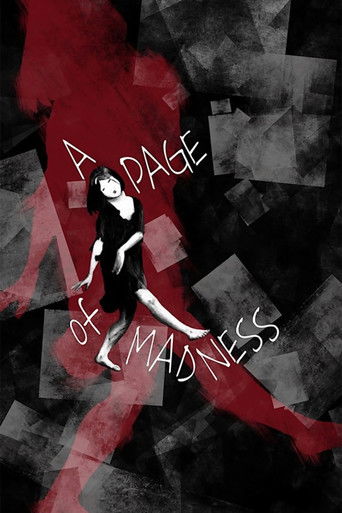
Tetsu Tsuboi is credited on a single production — A Page of Madness (1926). Known primarily for his role in the avant-garde film 'A Page of Madness' (Kurutta Ichipeiji) in 1926. This film, directed by Teinosuke Kinugasa, was considered lost for over 45 years until its rediscovery in 1971, making Tsuboi's performance part of one of cinema's most significant rediscoveries. As an actor in Japan's experimental film movement, Tsuboi contributed to a work that was far ahead of its time, employing innovative techniques like rapid editing, superimpositions, and subjective camera work that would influence filmmakers decades later. His appearance in this single surviving work places him within the context of Japan's modernist artistic movement of the 1920s, where traditional theatrical acting styles were beginning to merge with more cinematic approaches. The film's themes of mental illness and family dysfunction required actors to convey complex emotions through silent performance, a challenge that Tsuboi met as part of the ensemble cast. Unfortunately, like many actors from this era of Japanese cinema, particularly those who worked in experimental films, detailed records of Tsuboi's life and career are extremely scarce, with 'A Page of Madness' remaining his only documented screen appearance.
The Craft
On Screen
As an actor in Japanese silent cinema, Tsuboi likely employed the exaggerated physical gestures and facial expressions characteristic of the era, though 'A Page of Madness' required a more nuanced, psychological approach to portray themes of mental illness and family dysfunction
Milestones
- Appeared in 'A Page of Madness' (1926),
- Participated in Japan's experimental film movement of the 1920s
Best Known For
Iconic Roles
Must-See Films
Working Relationships
Worked Often With
Why They Matter
Impact on Culture
Tetsu Tsuboi's contribution to cinema, while limited to a single known film, is significant through his participation in 'A Page of Madness,' a work that has been recognized as a masterpiece of avant-garde cinema. The film's rediscovery and restoration have brought renewed attention to its cast and crew, including Tsuboi, highlighting the innovative spirit of Japan's 1920s film culture. His performance contributes to a work that challenged conventional narrative structures and visual language in cinema, influencing generations of experimental filmmakers worldwide. The film's exploration of psychological themes through visual metaphor rather than dialogue required actors like Tsuboi to pioneer new forms of silent performance that went beyond melodramatic gestures.
Lasting Legacy
Tetsu Tsuboi's legacy is intrinsically tied to the preservation and recognition of 'A Page of Madness' as a landmark of world cinema. As one of the performers in this groundbreaking film, he represents the often-overlooked contributors to experimental cinema in Japan during the 1920s. While his name may not be widely known, his work survives as part of a film that continues to be studied by film scholars, screened at cinematheques, and analyzed for its innovative techniques. The film's status as a rediscovered masterpiece means that modern audiences and researchers continue to discover and appreciate the contributions of its entire cast and crew, including Tsuboi.
Who They Inspired
Due to the limited documentation of Tsuboi's career beyond 'A Page of Madness,' his direct influence on other actors or filmmakers cannot be definitively traced. However, his participation in this influential avant-garde work contributes to the broader influence of Japanese experimental cinema on international film movements, particularly in how the film demonstrated new possibilities for psychological storytelling in silent cinema.
Off Screen
Very little is documented about Tetsu Tsuboi's personal life, which is typical for many supporting actors from Japan's silent film era, especially those who worked in experimental productions rather than mainstream commercial cinema.
Did You Know?
- 'A Page of Madness' was considered a lost film for 45 years until its rediscovery by director Nagisa Oshima in 1971
- The film was produced independently by the Shochiku studio but was so unconventional that it received limited distribution upon release
- Director Teinosuke Kinugasa reportedly financed the film himself after the studio expressed little interest in the project
- The film's original screenplay was written by Yasunari Kawabata, who would later win the Nobel Prize in Literature
- The film features no intertitles, relying entirely on visual storytelling to convey its narrative
- Many of the cast members, including Tetsu Tsuboi, came from the Shingeki (modern theatre) movement in Japan
- The film's set design was highly expressionistic, influenced by German cinema of the period
- Only one print of the film survived, discovered in a warehouse in 1971
- The film's theme of mental illness was highly controversial for its time in Japanese society
- The production process was secretive, with the cast and crew working largely independently of studio supervision
Frequently Asked Questions
Who was Tetsu Tsuboi?
Japanese with credits in this catalog. He was part of Japan's avant-garde film movement of the 1920s, though detailed records of his life and career are extremely limited.
What films is Tetsu Tsuboi best known for?
Titles linked here include A Page of Madness (1926).
When was Tetsu Tsuboi born and when did he die?
Unfortunately, specific birth and death dates for Tetsu Tsuboi are not documented in available historical records. This lack of biographical information is common for many supporting actors from Japan's silent film era, particularly those who worked in experimental rather than commercial productions.
What awards did Tetsu Tsuboi win?
There are no documented awards or honors specifically recognizing Tetsu Tsuboi's contributions to cinema. However, the film he appeared in, 'A Page of Madness,' has been recognized retrospectively as.
What was Tetsu Tsuboi's acting style?
While specific details about Tetsu Tsuboi's acting technique are not documented, as an actor in 'A Page of Madness' he likely employed a more psychological and nuanced approach than typical silent film acting of the era. The film's avant-garde nature required actors to convey complex emotional states through visual performance rather than traditional theatrical gestures.