Films
1 film
About Shintarô Takiguchi
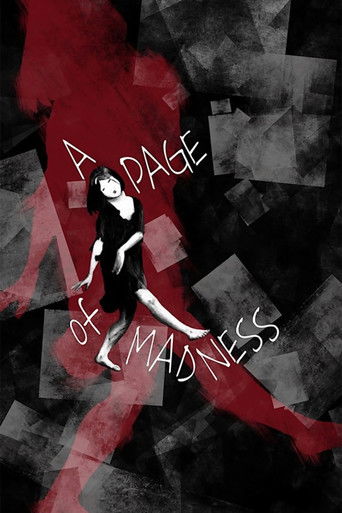
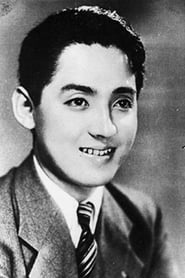
Shintarô Takiguchi worked on one surviving credit: A Page of Madness (1926). His most notable and possibly only known film role was in the 1926 avant-garde masterpiece 'A Page of Madness' (Kurutta Ippēji), directed by Teinosuke Kinugasa. This film is considered works in early Japanese cinema history, known for its experimental techniques and psychological depth. Takiguchi's career appears to have been extremely brief, with documented activity only in 1926. Like many actors from this early period of Japanese cinema, detailed records of his life and career are scarce due to the destruction of many archival materials during World War II and the subsequent loss of film industry documentation. His contribution to this landmark film represents a significant, though brief, moment in Japanese cinematic history.
The Craft
Milestones
- Appeared in 'A Page of Madness' (1926), a landmark of Japanese avant-garde cinema
Best Known For
Iconic Roles
Must-See Films
Working Relationships
Worked Often With
Why They Matter
Impact on Culture
Shintarô Takiguchi's contribution to cinema, while brief, is significant through his participation in 'A Page of Madness,' a film that revolutionized Japanese cinema with its avant-garde techniques and psychological storytelling. The film itself has had enormous cultural impact, influencing generations of Japanese filmmakers and being recognized as a masterpiece of world cinema. Though Takiguchi's individual role in this legacy is small, he was part of a work that helped establish Japan as a major force in international cinema.
Lasting Legacy
Shintarô Takiguchi's legacy is intrinsically tied to his appearance in 'A Page of Madness,'. While his own career was extremely brief, his participation in this landmark work ensures his place in film history. The film itself was considered lost for decades until rediscovered in the 1970s, bringing renewed attention to its cast and crew, including Takiguchi.
Who They Inspired
Due to the extremely limited scope of Shintarô Takiguchi's known career, there is no documented evidence of his direct influence on other actors or filmmakers. However, his participation in 'A Page of Madness' means he was part of a film that has influenced countless directors worldwide, particularly in the realm of psychological cinema and avant-garde filmmaking.
Off Screen
Very little is known about Shintarô Takiguchi's personal life due to the scarcity of records from early Japanese cinema. Like many actors from the silent era in Japan, detailed biographical information has been lost to time, particularly due to the destruction of archives during World War II.
Did You Know?
- 'A Page of Madness' was considered lost for nearly 50 years before being rediscovered in 1971
- The film was independently produced by director Teinosuke Kinugasa and his friends
- The film's original negative was destroyed during World War II, with only one incomplete print surviving
- The film features no intertitles, relying purely on visual storytelling
- Shintarô Takiguchi's career appears to have lasted only during the year 1926
- The film was heavily influenced by German Expressionist cinema
- Many cast and crew members from the film remain unidentified due to poor record-keeping
- The film's production cost was approximately ¥15,000, a significant sum at the time
Frequently Asked Questions
Who was Shintarô Takiguchi?
Japanese with credits in this catalog.' His career appears to have been extremely brief, with documented activity only in 1926.
What films is Shintarô Takiguchi best known for?
Titles linked here include A Page of Madness (1926).
When was Shintarô Takiguchi born and when did he die?
Specific birth and death dates for Shintarô Takiguchi are not known due to the scarcity of records from early Japanese cinema, particularly following the destruction of archives during World War II.
What awards did Shintarô Takiguchi win?
There are no documented awards or nominations for Shintarô Takiguchi, which is common for actors from this very early period of Japanese cinema when formal award systems were not yet established.
What was Shintarô Takiguchi's acting style?
Due to the limited documentation of his career and the loss of most of his work, specific details about Shintarô Takiguchi's acting style are not known. His performance in 'A Page of Madness' would have been in the expressive style typical of silent film acting.
Why is Shintarô Takiguchi significant in film history?
Shintarô Takiguchi is significant primarily because he was part of 'A Page of Madness,' a revolutionary film that helped establish Japan as a major force in international cinema and influenced countless filmmakers worldwide.