Films
2 films
About Kinnosuke Takamatsu
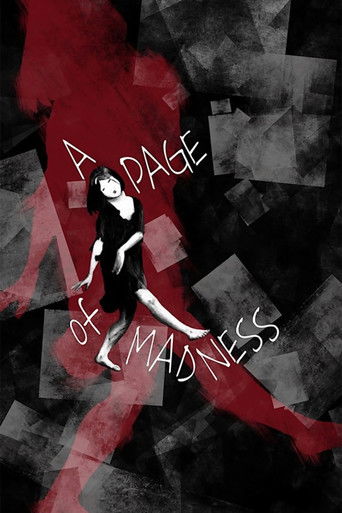
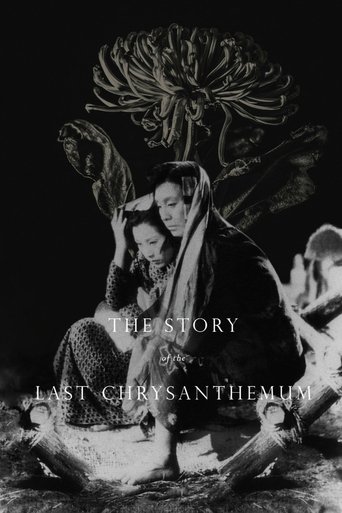
Japanese actor who worked during the transition from silent cinema to early sound films in Japan. His career, while not extensively documented, includes appearances in two of the most significant films in Japanese cinema history. Kinnosuke appears in Teinosuke Kinugasa's avant-garde masterpiece 'A Page of Madness' (1926), a experimental film that was lost for decades before being rediscovered. His role in Kenji Mizoguchi's 'The Story of the Last Chrysanthemum' (1939) further cemented his connection to Japan's cinematic golden age. Like many character actors of his era, Takamatsu's contributions to these important films have been somewhat overshadowed by their directors and leading stars. His work spanned the crucial period when Japanese cinema was developing its distinctive artistic voice and moving toward international recognition.
The Craft
Milestones
- Appeared in 'A Page of Madness' (1926), a landmark of Japanese avant-garde cinema
- Acted in 'The Story of the Last Chrysanthemum' (1939), directed by Kenji Mizoguchi
- Worked during the pivotal transition from silent to sound films in Japan
Best Known For
Must-See Films
Working Relationships
Worked Often With
Why They Matter
Impact on Culture
Kinnosuke Takamatsu's cultural impact is primarily tied to his participation in two of Japanese cinema's most historically significant films. 'A Page of Madness' is now recognized as a masterpiece of avant-garde filmmaking, influencing generations of experimental filmmakers worldwide. His contribution to 'The Story of the Last Chrysanthemum' connects him to the golden age of Japanese cinema and the work of master director Kenji Mizoguchi. While his individual performances may not be widely discussed, his presence in these landmark films makes him part of the foundation upon which Japanese cinema's international reputation was built.
Lasting Legacy
Kinnosuke Takamatsu's legacy exists primarily through his association with two pivotal works in Japanese film history. The rediscovery and restoration of 'A Page of Madness' in the 1970s brought renewed attention to all involved in its creation, including supporting actors like Takamatsu. His work represents the contributions of the countless character actors who were essential to creating the masterpieces of early Japanese cinema, even if their names are not as remembered as the directors or stars. His filmography, though brief, spans a crucial period in Japanese cinematic history.
Who They Inspired
As a supporting actor from the silent and early sound era, Kinnosuke Takamatsu's direct influence on subsequent generations of performers is difficult to trace. However, his participation in groundbreaking films that influenced Japanese and international cinema means his work contributed indirectly to the development of film as an art form. The preservation and study of 'A Page of Madness' and 'The Story of the Last Chrysanthemum' ensure that his performances continue to be seen by film scholars and enthusiasts interested in the origins of Japanese cinematic excellence.
Off Screen
Very little personal information about Kinnosuke Takamatsu is available in historical records, which is common for supporting actors from this era of Japanese cinema. Like many character actors of his time, his life story has not been extensively documented in film histories, with focus typically remaining on directors and lead performers.
Did You Know?
- Appeared in 'A Page of Madness,' which was considered lost for over 40 years before a print was discovered in director Kinugasa's garden shed in 1971
- Worked with two of Japan's most important directors: Teinosuke Kinugasa and Kenji Mizoguchi
- His filmography spans the crucial transition period from silent films to talkies in Japanese cinema
- 'A Page of Madness' was
- The film was originally released without intertitles, making it accessible to international audiences despite language barriers
- Both films he appeared in are now considered essential viewing for students of Japanese cinema history
Frequently Asked Questions
Who was Kinnosuke Takamatsu?
Screen credits include two of the most significant films in Japanese cinema history. He is primarily known for his roles in 'A Page of Madness' (1926) and 'The Story of the Last Chrysanthemum' (1939). While detailed biographical information is limited, his work connects him to the golden age of Japanese cinema.
What films is Kinnosuke Takamatsu best known for?
Titles linked here include A Page of Madness (1926), The Story of the Last Chrysanthemum (1939).
When was Kinnosuke Takamatsu born and when did he die?
Unfortunately, specific birth and death dates for Kinnosuke Takamatsu are not available in historical records, which is common for supporting actors from this era of Japanese cinema. He was active as an actor from 1926 to 1939 based on his known filmography.
What awards did Kinnosuke Takamatsu win?
There are no recorded awards or nominations for Kinnosuke Takamatsu in available historical sources. During the 1920s and 1930s, Japanese cinema awards were not as formalized as they later became, and supporting actors often went unrecognized despite their contributions to significant films.
What was Kinnosuke Takamatsu's acting style?
Specific details about Takamatsu's acting style are not well-documented in available sources. However, his work in 'A Page of Madness' suggests he was capable of performing in experimental, avant-garde productions that required non-traditional acting approaches typical of Japanese silent cinema.
Why is Kinnosuke Takamatsu significant in film history?
Takamatsu is significant primarily through his association with two landmark films that represent different aspects of Japanese cinema's artistic development. 'A Page of Madness' is a work of experimental cinema, while 'The Story of the Last Chrysanthemum' represents the mature style of one of Japan's greatest directors.