Films
2 films
About Yoshie Nakagawa
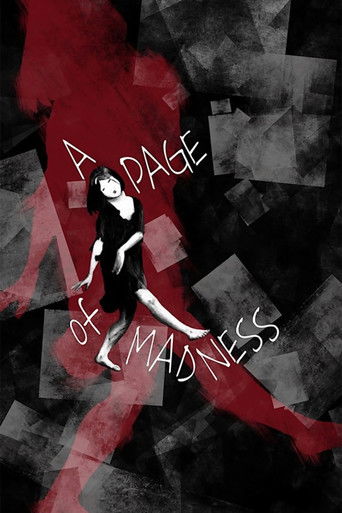
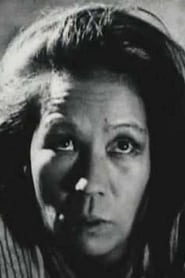
Japanese actress active during the silent film era of the 1920s. Her known filmography consists of a single appearance in Teinosuke Kinugasa's avant-garde masterpiece 'A Page of Madness' (1926), where she played the role of the daughter. Like many actors from early Japanese cinema, detailed records of her life and career are scarce, as much documentation from this period was lost during World War II bombings and the general neglect of film preservation in early 20th century Japan. Her performance in this experimental film places her among the actors who participated in Japan's avant-garde cinema movement during the 1920s. The film itself was considered lost for nearly 50 years before being rediscovered by director Kinugasa in his personal shed in 1971, making Nakagawa's work part of one of cinema's most remarkable rediscovery stories. Beyond this single documented appearance, little is known about her career trajectory, whether she continued acting in other lost films, or what became of her after 1926.
The Craft
Milestones
- Appeared in 'A Page of Madness' (1926), considered
Best Known For
Iconic Roles
Must-See Films
Working Relationships
Worked Often With
Why They Matter
Impact on Culture
Yoshie Nakagawa's contribution to cinema, though limited to a single known film, is significant due to her participation in 'A Page of Madness,'. The film was part of a movement in 1920s Japanese cinema that sought to break away from traditional theatrical influences and embrace more cinematic, modernist techniques. Her performance in this avant-garde masterpiece places her among the actors who helped establish Japan's reputation for artistic innovation in cinema, predating the better-known Japanese New Wave by decades. The film's rediscovery in 1971 brought renewed attention to the experimental cinema of 1920s Japan, making Nakagawa's work part of an important cultural and historical narrative about lost and found cinematic treasures.
Lasting Legacy
Yoshie Nakagawa's legacy is intrinsically tied to the remarkable story of 'A Page of Madness,' a film that was considered lost for nearly half a century before its dramatic rediscovery. While she may not have had an extensive filmography, her participation in this groundbreaking work ensures her place in cinema history as part of. The film itself has influenced generations of filmmakers worldwide with its innovative techniques, including rapid montage, superimpositions, and subjective camera work that were decades ahead of their time. Her performance represents the contribution of countless actors from early cinema whose work survives only through a handful of films, yet whose artistic choices helped shape the language of cinema. The preservation and restoration of 'A Page of Madness' means that Nakagawa's contribution to cinema will continue to be studied and appreciated by film scholars and enthusiasts.
Who They Inspired
While specific details about Yoshie Nakagawa's influence on other actors are not documented due to the limited records of early Japanese cinema, her work in 'A Page of Madness' represents the kind of experimental performance that helped push the boundaries of what was possible in silent film acting. The film's avant-garde approach required actors to break away from the theatrical style common in Japanese cinema of the period and embrace more naturalistic, psychologically complex performances that would influence later generations of Japanese actors. The rediscovery of the film has made it a subject of study for film scholars and students, meaning her performance continues to influence how we understand the evolution of acting in cinema, particularly in the context of experimental and avant-garde filmmaking.
Off Screen
Very little is documented about Yoshie Nakagawa's personal life, which was typical for many supporting actors in early Japanese cinema. Detailed biographical information about actors from this era, particularly those who were not major stars, was rarely preserved and many records were destroyed during World War II.
Did You Know?
- 'A Page of Madness' was considered lost for 45 years before being rediscovered by director Teinosuke Kinugasa in 1971
- The film was created without a script, with director Kinugasa improvising scenes during filming
- The film's original negative was destroyed during World War II, making the rediscovered print incredibly precious
- Yoshie Nakagawa played the daughter of the main character, a janitor at an asylum where his wife is institutionalized
- The film features no intertitles, relying purely on visual storytelling to convey its narrative
- The production was financed by a group of avant-garde artists and writers who were part of the 'Shinkankakuha' (New Sensation School) movement
- The film's experimental techniques influenced later Japanese directors including Akira Kurosawa and Nagisa Oshima
- Only one known print of the film exists, which was found in Kinugasa's garden shed
- The film's screening history was extremely limited even upon its initial release due to its experimental nature
- Yoshie Nakagawa is one of several actors from the film whose complete filmographies remain unknown due to the loss of early Japanese cinema records
Frequently Asked Questions
Who was Yoshie Nakagawa?
Japanese actress from the silent film era, known primarily for her role in the 1926 avant-garde film 'A Page of Madness.' Her career appears to have been brief, with this being her only documented film appearance, placing her among the many actors from early Japanese cinema whose complete histories remain unknown due to lost records.
What films is Yoshie Nakagawa best known for?
Titles linked here include A Page of Madness (1926).
When was Yoshie Nakagawa born and when did she die?
Unfortunately, specific birth and death dates for Yoshie Nakagawa are not documented in available historical records, which is common for many supporting actors from early Japanese cinema. Much biographical information from this era was lost during World War II or was never systematically recorded.
What awards did Yoshie Nakagawa win?
There are no documented awards or nominations for Yoshie Nakagawa, which was typical for actors in Japanese cinema during the 1920s. The formal award systems for film achievements were not yet established in Japan during her brief career.
What was Yoshie Nakagawa's acting style?
While specific details about Yoshie Nakagawa's acting technique are not documented, her performance in 'A Page of Madness' was part of an experimental film that required actors to break away from the theatrical style common in Japanese cinema of the period. The film's avant-garde nature suggests she participated in more naturalistic and psychologically complex performances that were innovative for the time.