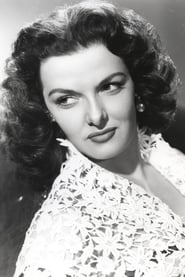
Jane Russell
Actor
Born: June 21, 1921 in Bemidji, Minnesota, USA Died: February 28, 2011 Active: 1943-1970 Birth Name: Ernestine Jane Geraldine Russell
Films
1 film
About Jane Russell
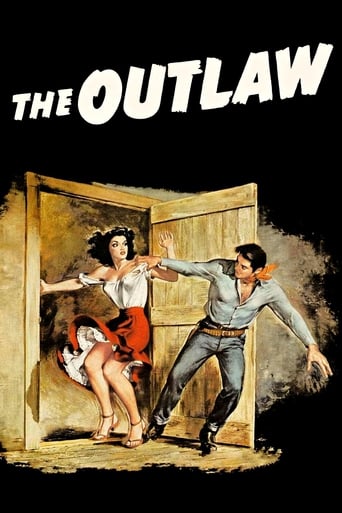
Jane Russell was one of Hollywood's most sex symbols of the 1940s and 1950s, discovered by billionaire Howard Hughes at age 19. Her career launched with the controversial film 'The Outlaw' (1943), which faced censorship battles due to its provocative focus on her figure. Russell became known for her voluptuous physique and sultry screen presence, starring in films like 'The Paleface' (1948) opposite Bob Hope and 'Gentlemen Prefer Blondes' (1953) alongside Marilyn Monroe. Despite being typecast as a glamorous bombshell, she demonstrated comedic timing and musical talent throughout her career. Later in life, she became a devout Christian and founded the World Adoption International Fund, helping place thousands of children with adoptive families. Her over three decades, from her controversial debut through her final film appearance in 1970. Russell remained a beloved Hollywood figure until her death in 2011, remembered both for her screen presence and her humanitarian work.
The Craft
On Screen
Known for her sultry, confident screen presence with a natural comedic timing. Russell often played the 'femme fatale' or glamorous love interest but brought warmth and humor to her roles. Her acting style was straightforward and unpretentious, relying on her natural charisma and physical presence rather than technical method acting. She excelled in musical comedy, showing a pleasant singing voice and good dance abilities.
Milestones
- Discovered by Howard Hughes at age 19
- Starred in controversial debut 'The Outlaw' (1943)
- Formed successful comedy partnership with Bob Hope
- Co-starred with Marilyn Monroe in 'Gentlemen Prefer Blondes' (1953)
- Founded World Adoption International Fund in the 1950s
- Received star on Hollywood Walk of Fame in 1961
- Became spokesperson for Playtex bras in the 1970s
Best Known For
Iconic Roles
Must-See Films
Accolades
Won
- Golden Apple Award for Most Cooperative Actress (1952)
- Photoplay Award for Most Popular Female Star (1954)
- Sarah Siddons Award (1953)
Nominated
- Golden Globe for Best Motion Picture Actress - Musical/Comedy for 'Gentlemen Prefer Blondes' (1954)
Special Recognition
- Star on Hollywood Walk of Fame (1961)
- Inducted into the Hall of Famous Missourians (1999)
- Golden Boot Award (1984)
Working Relationships
Worked Often With
Studios
Why They Matter
Impact on Culture
Jane Russell revolutionized Hollywood's approach to sexuality and censorship in the 1940s, becoming one of the first major sex symbols of the post-war era. Her role in 'The Outlaw' challenged the Hays Code and forced the film industry to reconsider its censorship standards. Russell's voluptuous figure and confident persona helped redefine feminine beauty standards in American cinema, moving away from the boyish flapper look of the 1920s to a more mature, curvaceous ideal. She became a cultural phenomenon as. Beyond her physical appeal, Russell's successful transition to comedy and musicals demonstrated that sex symbols could also be versatile performers, paving the way for future actresses to break out of typecasting.
Lasting Legacy
Jane Russell's legacy extends far beyond her film career, encompassing her role as a sex symbol, her successful transition to comedy, and her humanitarian work. She remains an iconic figure of Golden Age Hollywood, representing both the glamour and the changing social mores of mid-century America. Her adoption advocacy work through the World Adoption International Fund helped thousands of children find homes, establishing her as a compassionate humanitarian. Russell's career demonstrated that actresses could maintain longevity in Hollywood by adapting to changing times and genres. She is remembered as one of the last great stars of Hollywood's golden era, bridging the gap between the studio system and modern cinema.
Who They Inspired
Jane Russell influenced generations of actresses by proving that sex symbols could also be talented comedic performers with staying power. Her successful partnership with Bob Hope in 'The Paleface' films established a template for male-female comedy duos that would be emulated for decades. Russell's ability to navigate the transition from dramatic roles to musical comedy showed future stars the importance of versatility in maintaining a long career. Her outspoken nature and business acumen in negotiating contracts set precedents for actresses taking control of their careers. Many later actresses, including Marilyn Monroe and Jayne Mansfield, followed the path Russell helped blaze for curvaceous, confident women in Hollywood.
Off Screen
Jane Russell had a complex personal life marked by three marriages and a deep religious transformation. Her first marriage to football star Bob Waterfield lasted from 1943 to 1968, during which she suffered multiple miscarriages and adopted three children. After divorcing Waterfield, she married actor Roger Barrett in 1968, but he died just three months later from a heart attack. In 1974, she married real estate broker John Calvin Peoples, with whom she remained until his death in 1999. Russell became a born-again Christian in the 1950s, which profoundly influenced her later life and philanthropic work, particularly her dedication to adoption services.
Education
Attended Van Nuys High School in California, but did not pursue higher education as she was discovered by Howard Hughes shortly after graduating.
Family
- Bob Waterfield (1943-1968)
- Roger Barrett (1968-1968)
- John Calvin Peoples (1974-1999)
Did You Know?
- Howard Hughes discovered her when she was working as a receptionist
- The film 'The Outlaw' was banned for two years due to its provocative content
- She was one of the first Hollywood stars to have breast reduction surgery in the 1950s
- Russell — talented singer and recorded several albums
- She founded the World Adoption International Fund in the 1950s
- Her measurements were 38D-24-36 at the peak of her career
- She was a staunch Republican and supported Ronald Reagan's political career
- Russell appeared in over 20 films during her career
- She was a spokesperson for Playtex bras in the 1970s
- Her first husband Bob Waterfield was an NFL Hall of Fame quarterback
- She turned down the lead role in 'The Seven Year Itch' which went to Marilyn Monroe
- Russell — devout Christian who often spoke about her faith
In Their Own Words
I was a sex symbol, but I'm not a sex symbol now. I'm just a person who's had a very interesting life.
Publicity can be terrible. But I think it's worse not to have publicity.
I don't know what all the fuss was about. I was just a girl who happened to be well-endowed.
Howard Hughes was a genius, but he was also a very strange man.
I've never been a glamour girl. I've always been a character actress.
I was never a Hollywood star. I was just a girl who made movies.
Frequently Asked Questions
Who was Jane Russell?
Hollywood actress and sex symbol of the 1940s and 1950s, discovered by Howard Hughes. She starred in films like 'The Outlaw' and 'Gentlemen Prefer Blondes,' and was known for her voluptuous figure and comedic talent.
What films is Jane Russell best known for?
Titles linked here include The Outlaw (1943), The Paleface (1948).
When was Jane Russell born and when did she die?
Born June 21, 1921; died February 28, 2011.
What awards did Jane Russell win?
While Jane Russell never won an Academy Award, she received a Golden Apple Award for Most Cooperative Actress (1952), a Photoplay Award for Most Popular Female Star (1954), and earned a star on the Hollywood Walk of Fame in 1961.
What was Jane Russell's acting style?
Russell was known for her natural, unpretentious acting style with strong comedic timing. She often played glamorous roles but brought warmth and humor to her performances, excelling particularly in musical comedies and westerns.
How did Jane Russell impact adoption services?
After experiencing personal struggles with pregnancy and miscarriage, Russell founded the World Adoption International Fund in the 1950s. The organization helped place thousands of children with adoptive families, particularly those from other countries.
What was the controversy around 'The Outlaw'?
'The Outlaw' faced censorship battles for two years due to its provocative focus on Russell's figure. The film's delayed release and controversy actually helped make Russell an overnight sensation as a Hollywood sex symbol.