Films
1 film
About Hossain Farazmand
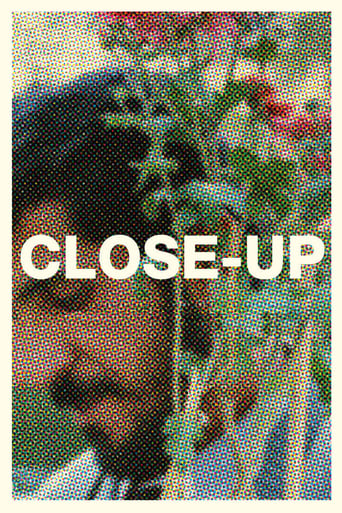
Iranian family patriarch who gained international attention through his participation in Abbas Kiarostami's acclaimed 1990 film 'Close-Up.' Farazmand was not a professional actor but a real person involved in the actual incident that inspired the film - his family had been deceived by Hossein Sabzian, an unemployed man who impersonated filmmaker Mohsen Makhmalbaf. In Kiarostami's docufiction, Farazmand agreed to reenact the events, playing himself alongside his actual family members. His authentic performance and dignified presence became one of the film's most memorable elements, embodying the intersection of reality and cinema that Kiarostami explored. Farazmand's participation in this internationally celebrated Iranian New Wave film represents his sole known contribution to cinema, making him a unique figure in film history as a non-actor whose real-life story became art. His naturalistic acting style and the genuine emotions he displayed contributed significantly to the film's critical acclaim and its lasting impact on world cinema.
The Craft
On Screen
Naturalistic and authentic performance as himself, displaying genuine emotions and reactions typical of a non-actor in a documentary-style film
Milestones
- Participated in Abbas Kiarostami's 'Close-Up' (1990)
- Reenacted real-life events that became internationally acclaimed cinema
Best Known For
Iconic Roles
Must-See Films
Working Relationships
Worked Often With
Why They Matter
Impact on Culture
Hossain Farazmand's participation in 'Close-Up' contributed to. His authentic performance helped bridge the gap between documentary and fiction, influencing countless filmmakers who would later experiment with hybrid forms. The film's success at international festivals brought attention to Iranian cinema and demonstrated how ordinary people's stories could become powerful cinematic art. Farazmand's dignified portrayal of himself challenged conventional notions of acting and performance in cinema.
Lasting Legacy
Farazmand's legacy is intrinsically tied to 'Close-Up,' which remains. His naturalistic performance as himself has been studied in film schools worldwide as an example of authentic documentary-style acting. The film continues to be referenced in discussions about truth, authenticity, and the nature of cinema itself. Farazmand represents the power of ordinary people's stories when captured through the lens of a master filmmaker.
Who They Inspired
While not a professional actor, Farazmand's authentic performance influenced the documentary and docufiction genres, demonstrating how real people playing themselves could create more powerful cinema than professional actors in certain contexts. His work in 'Close-Up' has inspired filmmakers to seek authenticity in their casting choices and to blur the lines between documentary and narrative filmmaking.
Off Screen
Family man living in Tehran when the incident occurred that would later become the subject of Kiarostami's film. He was the head of a middle-class Iranian family who became involved with Hossein Sabzian, the impostor who claimed to be filmmaker Mohsen Makhmalbaf. The Farazmand family's cooperation with Kiarostami's project demonstrated their willingness to share their personal story with the world.
Did You Know?
- Farazmand was not a professional actor but a real person who agreed to reenact events from his own life
- His family was actually deceived by Hossein Sabzian, the film's central figure
- He agreed to participate in Kiarostami's film along with his actual family members
- His performance in 'Close-Up' is considered
- The film 'Close-Up' won numerous international awards and brought attention to Iranian cinema
- Farazmand's dignified response to being deceived became a central theme in the film
- He represents the intersection of reality and fiction that Kiarostami masterfully explored
- His participation was voluntary, demonstrating his family's willingness to share their story
- The film's success made Farazmand known to international cinema audiences despite his single film appearance
- His natural reactions in the film were completely genuine, not rehearsed or scripted
In Their Own Words
We are poor people, but we have dignity
context: His response to the situation in 'Close-Up')
Frequently Asked Questions
Who was Hossain Farazmand?
Iranian family patriarch who played himself in Abbas Kiarostami's acclaimed 1990 film 'Close-Up.' He was not a professional actor but a real person involved in the actual incident that inspired the film, where his family was deceived by a man impersonating director Mohsen Makhmalbaf.
What films is Hossain Farazmand best known for?
Titles linked here include Close-Up (1990).
When was Hossain Farazmand born and when did he die?
Specific birth and death dates for Hossain Farazmand are not publicly available. He was an Iranian family man living in Tehran during the late 1980s when the events occurred that led to the making of 'Close-Up' in 1990.
What awards did Hossain Farazmand win?
Hossain Farazmand did not receive personal acting awards as he was a non-actor playing himself. However, the film 'Close-Up' won numerous international awards including prizes at Cannes, Montreal, and Tokyo film festivals, bringing recognition to all participants including Farazmand.
What was Hossain Farazmand's acting style?
Farazmand's acting style was completely naturalistic and authentic, as he was not acting but being himself while reenacting real events. His performance exemplified genuine emotion and natural reactions typical of documentary subjects rather than trained actors, contributing to the film's unique blend of reality and fiction.