
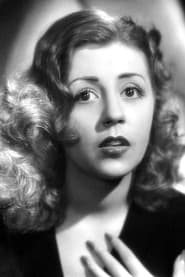
Suzy Delair
Actor
Born: December 31, 1917 in Paris, France Died: March 15, 2020 Active: 1932-1970s Birth Name: Suzette Pierrette Delaire
Films
1 film
About Suzy Delair
Renowned French actress and singer who began her career as a cabaret performer in the 1930s before transitioning to film. She was discovered by director Henri Decoin, who became both her mentor and romantic partner, casting her in several films throughout the 1930s and 1940s. Delair gained international fame for her role in 'Quai des Brumes' (1938) opposite Jean Gabin, and later starred in numerous French films including 'La Ronde' (1950) by Max Ophüls. Her performance in the comedy 'Utopia' (1951) alongside Laurel and Hardy represented one of her rare English-language film appearances. Throughout her career, she maintained a successful parallel career as a singer, recording popular songs and performing in music halls across Europe. Delair continued acting well into her later years, making her final film appearance in the 1970s, and lived to be 102 years old, becoming one of the last surviving stars of French cinema's golden age.
The Craft
On Screen
Delair was known for her sophisticated yet playful screen presence, combining Parisian chic with a natural comedic timing. She brought a unique blend of elegance and earthiness to her roles, often playing seductive, independent women with underlying vulnerability. Her performances were characterized by expressive eyes, a distinctive voice, and an ability to seamlessly transition between drama and comedy. She possessed a naturalistic style that was ahead of its time in French cinema.
Milestones
- Breakthrough role in 'Quai des Brumes' (1938)
- Starred in Max Ophüls' 'La Ronde' (1950)
- Appeared in Laurel and Hardy's 'Utopia' (1951)
- Successful cabaret and music hall career
- One of France's most popular film stars of the 1940s
- Transition from silent films to talkies
- Maintained career through WWII and post-war era
Best Known For
Iconic Roles
Must-See Films
Accolades
Won
- Chevalier de la Légion d'honneur (1998)
- Officier de l'Ordre national du Mérite
Special Recognition
- Commandeur des Arts et des Lettres
- Honorary citizen of Paris
- Lifetime Achievement Award from the French Film Academy
Working Relationships
Worked Often With
Studios
Why They Matter
Impact on Culture
Suzy Delair represented the quintessential Parisian woman of the 1940s and 1950s, embodying French femininity and sophistication for international audiences. She helped bridge the gap between French cinema and Hollywood, appearing in both French and international productions. Her success as both an actress and singer demonstrated the multi-talented nature of European performers of her era. Delair's active years covered.
Lasting Legacy
Suzy Delair's legacy lies in her contribution to French cinema's golden age and her role in popularizing French culture internationally. She remains an icon of 1940s French cinema, remembered for her distinctive style and versatile performances. Her longevity in the industry, spanning over four decades, demonstrated remarkable adaptability to changing cinematic trends. As one of the last surviving stars of her era, her death in 2020 marked the end of an era in French film history.
Who They Inspired
Delair influenced subsequent generations of French actresses with her blend of sophistication and naturalness. Her success in both dramatic and comedic roles paved the way for more versatile female performers in French cinema. Her ability to maintain a successful career through multiple cinematic eras, from poetic realism to the French New Wave, demonstrated the importance of adaptability in an actor's career. Her work in international productions helped open doors for other French actors seeking global recognition.
Off Screen
Suzy Delair had a long-term relationship with director Henri Decoin, who discovered her and cast her in many of her early films. Their relationship ended in the early 1940s. She later married actor Aimé Clariond in 1954, though the marriage ended in divorce. Delair was known for her independence and never had children, focusing instead on her career and artistic pursuits. She lived in Paris her entire life and maintained her privacy in her later years.
Education
Limited formal education; primarily trained through experience in cabaret and music hall performances
Family
- Henri Decoin (1935-1941, relationship)
- Aimé Clariond (1954-1960, marriage)
Did You Know?
- Began her career as a cabaret dancer at age 15
- Was discovered by Henri Decoin while performing at the Folies Bergère
- Spoke fluent English, which was rare for French actresses of her era
- Recorded several popular songs including 'Avec son trombone'
- Lived to be 102, making her one of the longest-lived major film stars
- Her performance in 'Utopia' was one of her few English-language roles
- Was a close friend of fellow actress Michèle Morgan
- Continued performing in cabarets well into her 80s
- Her apartment in Paris was featured in several architectural magazines
- Was known for her distinctive fashion sense and became a style icon
In Their Own Words
In cinema, you must be able to become anyone while remaining yourself.
Paris has always been my stage and my audience.
The camera doesn't lie, but it can be very kind to those who understand it.
I never planned a career; the career planned itself for me.
Being an actress is not about pretending, it's about revealing truths through fiction.
Frequently Asked Questions
Who was Suzy Delair?
Celebrated French actress and singer who was prominent in French cinema from the 1930s through the 1960s. She was known for her roles in classic French films like 'Quai des Brumes' and 'La Ronde,' as well as her appearance in the English-language film 'Utopia' (1951) with Laurel and Hardy.
What films is Suzy Delair best known for?
Titles linked here include Quai des Brumes (1938), La Ronde (1950).
When was Suzy Delair born and when did she die?
Born December 31, 1917; died March 15, 2020.
What awards did Suzy Delair win?
Suzy Delair was awarded the Chevalier de la Légion d'honneur in 1998 and the Officier de l'Ordre national du Mérite. She also received the Commandeur des Arts et des Lettres and was recognized with a Lifetime Achievement Award from the French Film Academy for her contributions to cinema.
What was Suzy Delair's acting style?
Delair was known for her sophisticated yet natural acting style, combining Parisian elegance with earthy authenticity. She excelled at playing complex women who were both seductive and vulnerable, with a distinctive ability to handle both drama and comedy. Her performances were characterized by expressive eyes, a distinctive voice, and remarkable screen presence.