Films
1 film
About Eva Bayley
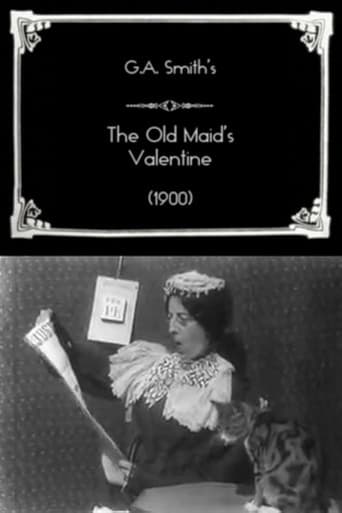
Eva Bayley appears once in this catalog: The Old Maid's Valentine (1900). Her career in motion pictures was extremely brief, spanning only the single year of 1900, which places her among the very first generation of film actors. Eva appears in 'The Old Maid's Valentine,' a short film typical of the experimental era when cinema was transitioning from novelty to art form. Like many actors of this period, Bayley likely came from a theatrical background, as stage experience was the primary training ground for early film performers. The brevity of her film career suggests she may have been a stage actress who experimented with the new medium of cinema but returned to theater, or perhaps she was among the many early performers who did not continue as the film industry developed. Her work represents the very earliest attempts at narrative filmmaking, when actors were still learning how to adapt their performances for the camera rather than the stage. Unfortunately, detailed records about actors from this era are scarce, and much of Bayley's life and career remains undocumented in historical archives.
The Craft
On Screen
Likely employed theatrical acting techniques common to the period, with exaggerated gestures and expressions necessary for early film technology and audience expectations of the transition from stage to screen
Milestones
- Appeared in 'The Old Maid's Valentine' (1900), one of the earliest narrative films
- Participated in cinema's experimental period during the dawn of filmmaking
Best Known For
Iconic Roles
Must-See Films
Working Relationships
Studios
Why They Matter
Impact on Culture
As one of the earliest film actors, Eva Bayley represents the generation of performers who helped establish the foundation of cinematic acting. Her work in 1900 places her among the experimental artists who were instrumental in transitioning performance art from stage to screen, contributing to the development of film as a narrative medium. Although her individual contributions may be lost to history, she was part of the crucial early period when actors were learning how to adapt their craft for the camera, establishing techniques that would influence generations of film performers to follow.
Lasting Legacy
Eva Bayley's legacy is primarily historical rather than artistic, representing the obscure but important early figures in cinema's development. Her brief career in 1900 makes her part of the first wave of film actors who experimented with the new medium before it became an established industry. While specific details of her performances may be lost, her contribution to early cinema serves as a reminder of the many forgotten pioneers who helped shape the art of film acting during its formative years.
Who They Inspired
Given the brevity of her career and the scarcity of documentation, it's difficult to trace specific influences from Eva Bayley's work. However, as an early film actor, she would have been part of the collective effort to establish acting techniques for the camera, contributing indirectly to the development of film performance methods that would evolve throughout the silent era and beyond.
Off Screen
Very little is documented about Eva Bayley's personal life, which is typical for actors from cinema's earliest period when detailed biographical records were not maintained for film performers.
Did You Know?
- Appeared in films during the very first year of the 20th century
- Her entire known film career consists of a single year (1900)
- The Old Maid's Valentine was produced during cinema's experimental period when films were typically very short
- Early film actors like Bayley often had backgrounds in theater
- Many actors from 1900 did not continue in film as the industry developed
- Documentation for actors from this period is extremely scarce
- She represents the lost history of many early cinema pioneers
- Her work predates the establishment of Hollywood as a film center
- Early films of this era were often lost or destroyed over time
- Actors in 1900 were typically without on-screen billing in films
Frequently Asked Questions
Who was Eva Bayley?
Early silent film actress active in 1900, known for appearing in 'The Old Maid's Valentine.' She represents one of the generation of film actors who worked during cinema's experimental period at the dawn of the 20th century.
What films is Eva Bayley best known for?
Titles linked here include The Old Maid's Valentine (1900).
When was Eva Bayley born and when did she die?
Unfortunately, specific birth and death dates for Eva Bayley are not documented in historical records, which is common for actors from cinema's earliest period when detailed biographical information was not preserved.
What awards did Eva Bayley win?
Eva Bayley did not receive any documented awards, as the film industry had not yet established formal award systems in 1900. The Academy Awards would not be created until 1929, nearly three decades after her brief career.
What was Eva Bayley's acting style?
While specific details of her acting style are not documented, actors in 1900 typically used theatrical techniques with exaggerated gestures and expressions, adapting stage performance methods for the new medium of film during its experimental phase.