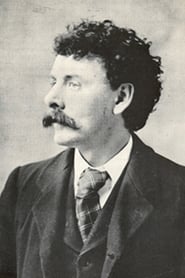

The Old Maid's Valentine
"Film George Albert Smith"
Keys: Space play/pause · ←/→ 10s · F fullscreen · M mute · </> speed
About this film
1900 film by George Albert Smith.
Cast & crew
More films like this
More Comedy films
View all →







More from George Albert Smith
View all →
More about this film
About the production
Release dateFebruary 1900
ProductionG.A.S. Films, Warwick Trading Company
Filmed inBrighton, England
This film was shot at George Albert Smith's studio in St. Ann's Well Gardens, Brighton, which was one of Britain's first film studios. Smith was experimenting with narrative storytelling techniques and character development in this very early period of cinema. The film was likely shot on 35mm film using a stationary camera, typical of the period, with minimal editing between shots.
Themes
Loneliness and companionshipThe transformative power of loveAge and romanceSocial expectations of unmarried womenEmotional expression
Themes & topics
Valentine's Dayspinsterlove lettertransformationcomedyemotional journeysurprisehappinesselderly protagonist
Historical background
Contemporary records classify The Old Maid's Valentine (1900) as 1900 film by george albert smith, placing it within the earliest years of projected motion pictures.
Why this film matters
The Old Maid's Valentine (1900) helps trace genre evolution, performer careers, and the material conditions of silent exhibition.
Making of
George Albert Smith, working out of his innovative Brighton studio, created this intimate character study during a period when most films were mere actualities or trick films. The Bayley sisters, who were Smith's wife and sister-in-law, were regular collaborators in his productions. Smith was developing his signature style of focusing on human emotions and reactions, which would later influence the development of narrative cinema. The film was likely shot in a single take with the actors performing continuously, as editing was still in its infancy. Smith's background in magic lantern shows influenced his understanding of visual storytelling and audience engagement.
What critics said
Retrospective notes on The Old Maid's Valentine emphasize its value as a silent-era document rather than blockbuster reception.
Did you know?
- This film was released in February 1900, specifically timed for Valentine's Day, demonstrating early seasonal marketing in cinema
- George Albert Smith was a pioneer of close-up shots and may have used this technique to capture the old maid's emotional reactions
- The film was distributed by the Warwick Trading Company, among the pivotal early British film distributors
- At only one minute long, this was considered a substantial narrative film for its time period
- Smith was married to actress Laura Bayley, who appears in this film alongside her sister Eva Bayley
- The film represents one of the earliest examples of character-driven comedy in British cinema
- Smith was a former stage hypnotist and magic lantern showman before becoming a filmmaker
- This film was part of Smith's series of domestic comedies that proved popular with early cinema audiences
- The film was hand-colored in some releases, a common practice for special productions in this era
- Smith's studio in Brighton was also used by other early film pioneers including James Williamson
Visual style
The cinematography was typical of the period, using a stationary camera positioned to capture the full action in a single frame. Smith was experimenting with camera placement to create more intimate compositions, and this film may feature closer framing than was common at the time. The lighting would have been natural light from the studio's glass roof, creating the bright, flat illumination characteristic of early films. Some versions of the film were hand-colored, particularly the Valentine's card, to add visual interest and highlight important narrative elements.
Innovations
While not technically groundbreaking, this film demonstrates Smith's mastery of early narrative techniques and his ability to elicit naturalistic performances from actors. The film showcases the effective use of gesture and expression in silent storytelling, a crucial skill in pre-intertitle cinema. Smith's experience with magic lantern shows informed his understanding of visual narrative pacing. The film represents the refinement of single-shot storytelling that would eventually evolve into more complex multi-shot narratives.
Music
As a silent film from 1900, there was no synchronized soundtrack. The film would have been accompanied by live music during exhibition, typically a pianist or small ensemble. The musical accompaniment would have been improvised or selected from popular pieces of the era, with romantic or comic themes appropriate to the on-screen action. Music halls often had resident musicians who would provide accompaniment for films as part of their variety programming.
Memorable scenes
- The moment the old maid receives the Valentine's letter, her face lighting up with surprise and joy as she transitions from melancholy to ecstatic happiness, clutching the letter to her chest and performing a little dance of delight around her room
What audiences thought
Early cinema audiences reportedly found the film delightful and relatable, with the old maid's emotional transformation resonating with viewers. The Valentine's Day theme made it particularly popular during February screenings. The film's gentle humor and emotional content appealed to the mixed-gender audiences who attended early cinema exhibitions. Contemporary accounts suggest that audiences appreciated seeing recognizable human situations and emotions portrayed on screen, which was still a novel experience in 1900.
Film connections
Influenced by
- Stage melodramas of the Victorian era
- Music hall comedy sketches
- Magic lantern narrative shows
- Domestic fiction of the 1890s
This film influenced
- Smith's subsequent domestic comedies
- Early character studies by other Brighton School filmmakers
- Later romantic comedy shorts in the 1900s
Film restoration
The film is preserved in the British Film Institute National Archive and is available for scholarly viewing. While some copies show deterioration typical of films from this era, the BFI has maintained a viewable print. The film has been included in several collections of early British cinema and is occasionally screened at film festivals and special events focusing on cinema's origins.
Where to watch
- British Film Institute collections
- Academic film archives
- Specialized early cinema screenings
- Online archives for educational purposes (where available)