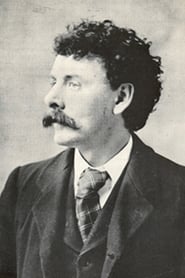
George Albert Smith
Actor & Director
Born: January 4, 1864 in London, England Died: May 17, 1959 Active: 1897-1903
Films
10 films
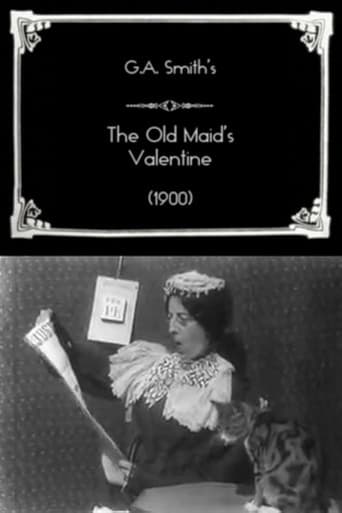
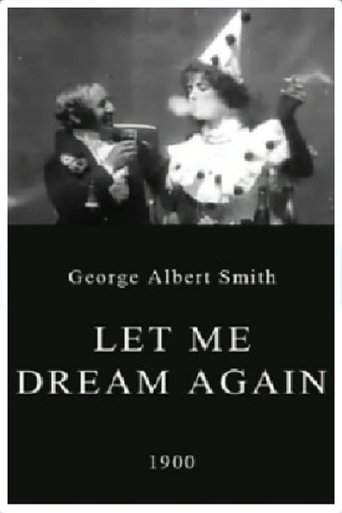
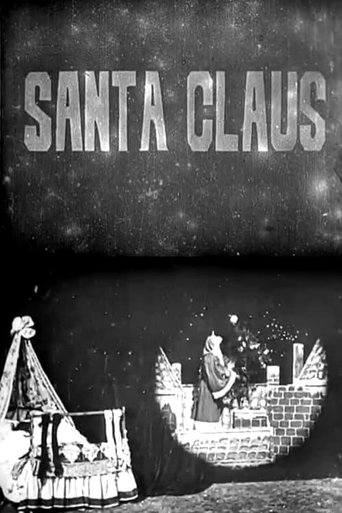
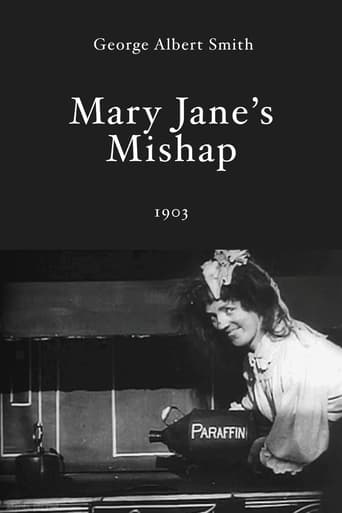
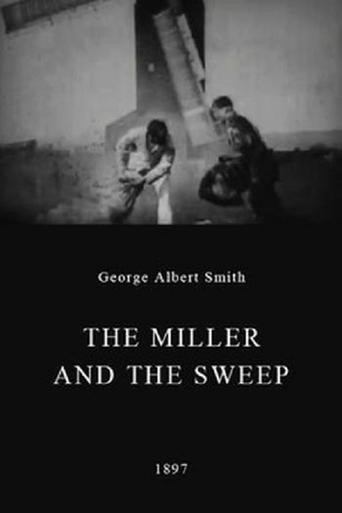
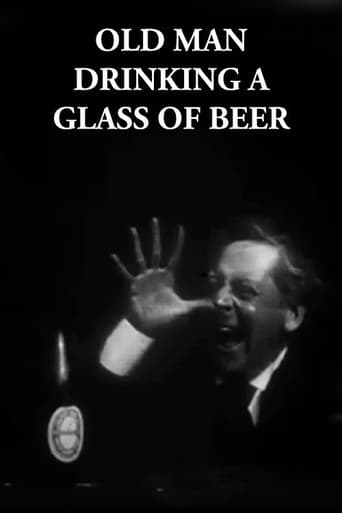
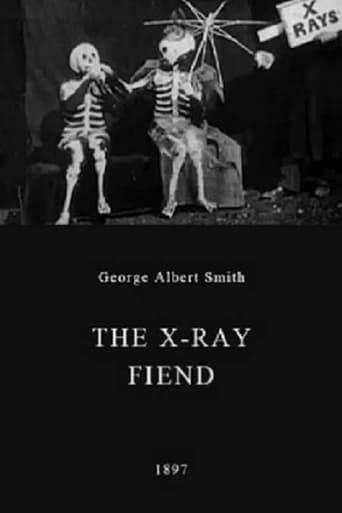
About George Albert Smith
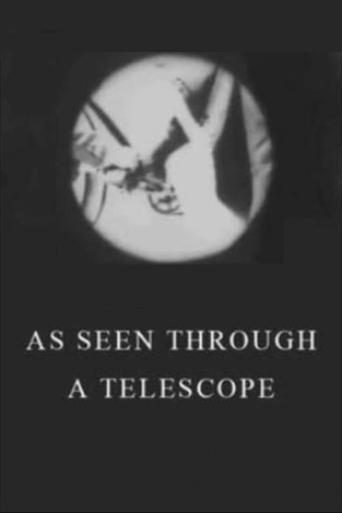
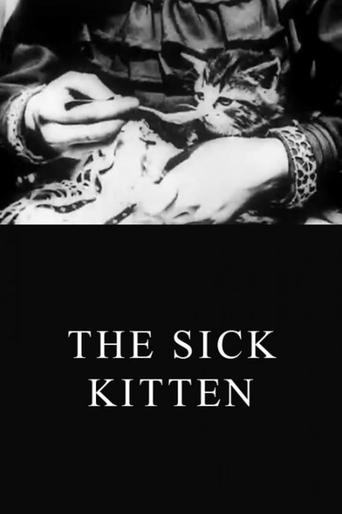
Made significant contributions to early cinema during the late 1890s and early 1900s. Beginning his career as a stage hypnotist and magic lantern showman, Smith transitioned to filmmaking and became a key member of the influential Brighton School of filmmakers. He married Laura Bayley in 1888, who became his frequent collaborator and appeared in many of his films. Smith was instrumental in developing numerous early film techniques including close-ups, parallel editing, and sophisticated special effects that were for their time. His films, though typically only 1-2 minutes long, demonstrated remarkable technical sophistication and helped establish narrative cinema conventions. After retiring from filmmaking around 1903, Smith focused on developing color photography processes, most notably Kinemacolor. His innovative work laid crucial groundwork for the development of cinematic language and influenced generations of filmmakers who followed.
The Craft
On Screen
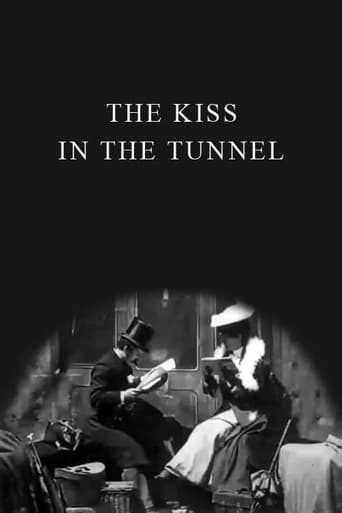
Smith employed the theatrical acting style common in early cinema, characterized by exaggerated gestures and facial expressions designed to be clearly understood by audiences in silent films. His performances in his own films, such as 'The Kiss in the Tunnel,' featured the broad, demonstrative acting typical of the era, where visual clarity was paramount due to the lack of synchronized sound and the very short duration of early films.
Behind the Camera
Smith — innovative director who constantly experimented with camera techniques and editing possibilities. His directing style emphasized visual storytelling through groundbreaking techniques including close-ups for emotional emphasis, parallel editing to build suspense and narrative complexity, and sophisticated special effects. His films often displayed a whimsical, magical quality reflecting his background as a stage magician and hypnotist. Smith demonstrated remarkable technical sophistication in his compositions and editing, pushing the boundaries of what was possible in early cinema.
Milestones
- Pioneered the use of close-up shots in narrative cinema
- Developed parallel editing techniques
- Created innovative special effects using multiple exposures
- Co-founded the Warwick Trading Company
- Developed Kinemacolor, an early color film process
- Key member of the Brighton School of filmmakers
- Made over 50 short films during his career
Best Known For
Iconic Roles
Must-See Films
Accolades
Special Recognition
- Recognized posthumously as a cinema pioneer
- Films preserved in the British Film Institute National Archive
- Honored by film historians as a key innovator in early cinema
Working Relationships
Worked Often With
Studios
Why They Matter
Impact on Culture
George Albert Smith was instrumental in establishing the fundamental language of cinema through his technical innovations and narrative experiments. His use of close-ups, parallel editing, and special effects helped establish conventions that would become essential to narrative cinema. As a leading figure in the Brighton School, Smith contributed significantly to Britain's early dominance in film production and innovation. His work demonstrated that cinema could transcend mere recording of events to become a powerful medium for storytelling and artistic expression. Smith's innovations in visual techniques helped establish cinema as a distinct art form capable of complex narrative and emotional impact.
Lasting Legacy
Smith's enduring legacy lies in his groundbreaking technical innovations that shaped the development of cinema language. His films are studied by film historians as crucial examples of early cinematic techniques and narrative experimentation. The preservation of his works by institutions like the British Film Institute ensures that future generations can study these important early films. His development of Kinemacolor, while not commercially successful long-term, represented an important milestone in the evolution of color cinema. Smith is remembered as.
Who They Inspired
Smith influenced subsequent generations of filmmakers through his use of close-ups, editing techniques, and special effects that became fundamental to cinematic storytelling. His work demonstrated how cinema could tell complex stories visually rather than simply recording events. Directors like D.W. Griffith and other early narrative filmmakers built upon the techniques that Smith helped establish. His innovations in special effects and visual storytelling paved the way for the development of cinematic visual effects as an art form. The Brighton School's approach to filmmaking, heavily influenced by Smith's work, helped establish British cinema as an innovative force in the early 20th century.
Off Screen
Smith married Laura Bayley in 1888, who became his creative partner and frequent actress in his films. They had one daughter, Ethel Winifred, born in 1889. After retiring from filmmaking, Smith focused on business ventures including his color photography process. He lived a relatively quiet life in his later years in Brighton, though his contributions to cinema continued to be recognized by film historians. Smith remained married to Laura until his death at age 95.
Education
Limited formal education, largely self-taught in filmmaking and photography techniques
Family
- Laura Bayley (1888-1959)
Did You Know?
- Originally worked as a stage hypnotist and magic lantern showman before entering filmmaking
- Key member of the 'Brighton School' of early British filmmakers
- His film 'Santa Claus' (1898) was one of the first to use parallel action
- 'The Kiss in the Tunnel' (1899) was one of the earliest examples of insert shots in narrative cinema
- Developed the Kinemacolor process, one of the first successful color film systems
- Most of his films were only 1-2 minutes long, typical of the era
- His wife Laura Bayley appeared in most of his films
- Was friends with fellow film pioneer James Williamson
- Stopped making films around 1903 to focus on other business ventures
- His films are preserved in the British Film Institute National Archive
- Made over 50 short films during his brief but influential career
- Lived to be 95 years old, outliving most of his contemporaries
In Their Own Words
The moving picture is not merely a novelty, but an art form with unlimited possibilities for expression and entertainment.
We are like children playing with a new toy, discovering what it can do and pushing its boundaries with each experiment.
In cinema, we have discovered a new language that speaks directly to the eyes and heart of the audience.
Frequently Asked Questions
Who was George Albert Smith?
British filmmaker, on YTB.my. He was a key member of the Brighton School of filmmakers and made significant contributions to the development of narrative cinema techniques including close-ups, parallel editing, and special effects.
What films is George Albert Smith best known for?
Titles linked here include The Kiss in the Tunnel (1899), Santa Claus (1898).
When was George Albert Smith born and when did he die?
Born January 4, 1864; died May 17, 1959.
What awards did George Albert Smith win?
Smith did not receive formal awards during his active filmmaking years as this was before the establishment of major film awards. However, he is now recognized posthumously as a figure in early cinema history, with his films preserved in the British Film Institute National Archive.
What was George Albert Smith's directing style?
Smith's directing style was innovative and experimental, characterized by his use of close-ups, parallel editing, and special effects. His films often had a magical quality reflecting his background as a stage hypnotist and magician, and he constantly pushed the technical boundaries of early cinema.
How did George Albert Smith influence modern cinema?
Smith influenced modern cinema through his technical innovations including the use of close-ups for dramatic effect, parallel editing, and special effects that helped establish the visual language of narrative cinema. These techniques, developed in the 1890s, became fundamental to filmmaking and are still used today.
What was the Brighton School of filmmaking?
The Brighton School was a group of early British filmmakers based in Brighton, including Smith and James Williamson, who made significant contributions to the development of narrative cinema techniques in the late 1890s and early 1900s. They were known for their technical innovations and narrative experimentation.