
Films
6 films
About Laura Bayley
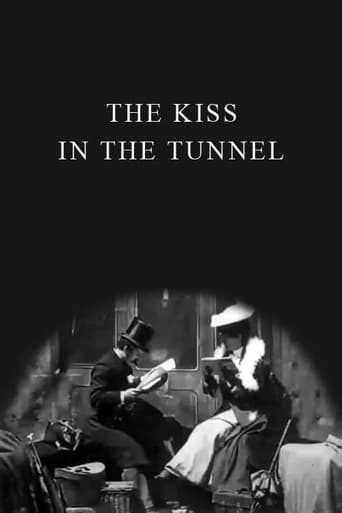
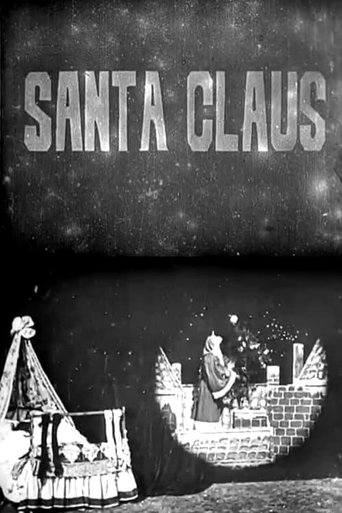
British film actress who worked during the very earliest days of cinema from 1897 to 1903. She was married to filmmaker George Albert Smith and appeared in numerous of his short films, making her one of the first professional film actresses in Britain. Her performances in films like 'The Kiss in the Tunnel' (1899) and 'Santa Claus' (1898) helped establish early narrative techniques and editing methods that would become fundamental to cinema. Bayley worked primarily with her husband's production company, creating intimate domestic scenes that showcased naturalistic acting uncommon for the period. Her career coincided with the transition from actuality films to narrative cinema, and she was instrumental in demonstrating the emotional potential of the moving image. After 1903, she largely retired from acting as the film industry began to professionalize and expand beyond the small-scale productions of the 1890s. Her contributions, though brief, represent a crucial chapter in the development of film acting and narrative cinema.
The Craft
On Screen
Naturalistic and intimate for the period, focusing on domestic emotions and relationships rather than the theatrical gestures common in early cinema. Her performances were subtle and believable, helping establish the potential for emotional storytelling in film.
Milestones
- One of the first professional film actresses in Britain
- Starred in early narrative films
- Worked extensively with filmmaker George Albert Smith
- Appeared in innovative films that established early cinematic techniques
- Helped transition cinema from actuality to narrative storytelling
Best Known For
Iconic Roles
Must-See Films
Accolades
Special Recognition
- Recognized as a pioneer of early British cinema
- Noted as one of the first professional film actresses
Working Relationships
Worked Often With
Studios
Why They Matter
Impact on Culture
Laura Bayley's work represents a crucial milestone in the development of film acting and narrative cinema. As one of the first professional film actresses, she helped establish that film could convey complex emotions and intimate stories, moving beyond the simple actualities that dominated early cinema. Her performances in films like 'The Kiss in the Tunnel' demonstrated early editing techniques that would become fundamental to cinematic language. Bayley's naturalistic acting style contrasted with the theatrical performances common in early film, helping establish a more authentic approach to screen acting. Her work with George Albert Smith contributed significantly to the development of narrative cinema and the grammar of film editing.
Lasting Legacy
Laura Bayley's legacy lies in her role as one of cinema's first professional actresses during the medium's formative years. Though her career was brief, spanning only six years, it occurred during a critical period when cinema was transitioning from novelty to art form. Her performances in some of the earliest narrative films helped prove that moving pictures could tell stories and evoke emotions. As part of the Brighton School of filmmaking, she contributed to innovations that would influence generations of filmmakers. Today, film historians recognize her as an important figure in the establishment of film acting as a distinct art form separate from theatrical performance.
Who They Inspired
Laura Bayley influenced early film acting by demonstrating that subtle, naturalistic performances could be effective on screen. Her work helped establish that film acting required different techniques than stage acting, paving the way for more nuanced screen performances in the decades that followed. The intimate domestic scenes she portrayed with George Albert Smith became templates for early narrative cinema, influencing how filmmakers approached character development and emotional storytelling. Her success as a professional film actress helped establish acting as a viable career in the new medium of cinema.
Off Screen
Laura Bayley was married to filmmaker George Albert Smith, who was a key figure in early British cinema. Their partnership was both personal and professional, with Bayley serving as his primary actress during his most innovative period. The couple worked together in Brighton, which was an early center of British film production. Their collaboration represented one of the first husband-wife teams in cinema history.
Family
- George Albert Smith (1892-1959)
Did You Know?
- One of the first professional film actresses in cinema history
- Married to filmmaker George Albert Smith
- Worked during the transition from actuality films to narrative cinema
- Her film 'The Kiss in the Tunnel' (1899) was one of the first to use editing to create a narrative sequence
- Appeared in 'Santa Claus' (1898), which featured early special effects techniques
- Part of the influential Brighton School of early British filmmaking
- Her active years covered only six years but occurred during cinema's most formative period
- Helped establish naturalistic acting styles for film versus theatrical performances
- Many of her films were only 1-2 minutes long, typical of the era
- Worked before the star system existed, when most performers were uncredited
Frequently Asked Questions
Who was Laura Bayley?
British film actress who worked during the earliest days of cinema from 1897 to 1903. She was married to filmmaker George Albert Smith and appeared in many of his groundbreaking early films, making her one of the first professional film actresses in Britain.
What films is Laura Bayley best known for?
Titles linked here include The Kiss in the Tunnel (1899), Santa Claus (1898).
When was Laura Bayley active in films?
Laura Bayley was active in films from 1897 to 1903, working during the very earliest days of narrative cinema. Her active years covered only six years but occurred during a crucial period in film history.
What was Laura Bayley's relationship to George Albert Smith?
Laura Bayley was married to filmmaker George Albert Smith, and she served as his primary actress during his most innovative period. Their partnership was both personal and professional, representing one of cinema's first husband-wife creative teams.
What was Laura Bayley's acting style?
Laura Bayley's acting style was notably naturalistic and intimate for the period, focusing on domestic emotions rather than theatrical gestures. Her subtle, believable performances helped establish that film could convey complex emotions and tell intimate stories.
What was Laura Bayley's impact on early cinema?
Laura Bayley helped establish film acting as a distinct art form and proved that cinema could handle narrative storytelling and emotional content. Her work contributed to the development of early editing techniques and naturalistic performance styles that would influence generations of filmmakers.