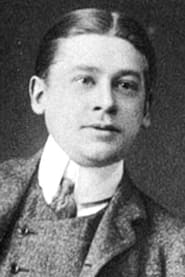
Albert Ståhl
Actor
- Active
- 1915-1916
Films 2
About Albert Ståhl
Albert Ståhl was a Swedish screen actor active during the silent-film era, with surviving film credits placing him in Swedish productions in 1915 and 1916. The available record identifies him through two early films, Madame de Thèbes (1915) and The Ballet’s Prima-donna (1916), which situate him in the formative years of Scandinavian cinema rather than in the better-documented international studio systems. Beyond these credits, reliable biographical documentation is scarce, and no confidently verifiable details about his birth, death, training, or later life are readily established from standard surviving reference sources. His career appears to have been brief, at least in currently accessible filmography records, and he may have been one of many stage or local performers who contributed to early film production without leaving a substantial archival footprint. Because of the limited historical record, his significance lies primarily in his presence within early Swedish silent cinema and the surviving evidence of his participation in productions from that era. He should be understood as a minor but genuine historical figure in classic cinema whose known work reflects the international development of silent-era acting in Europe. Further archival research in Swedish film catalogs, newspaper listings, and production records would likely be required to recover a fuller portrait of his life and career.
More about Albert Ståhl
In film history
Albert Ståhl's cultural impact is difficult to measure in the absence of extensive surviving documentation, but his work belongs to the foundational period of Swedish silent cinema. Performers like Ståhl helped populate the emerging film industries of Europe at a time when screen acting was still evolving from theatrical conventions toward a more expressive cinematic language. Even when individual names are not widely remembered, such actors contributed to the growth of national film culture and to the body of work that historians use to understand the silent era. His surviving credits place him among the many early practitioners whose careers were recorded only fleetingly, yet whose participation helped define the texture of early Scandinavian filmmaking.
Later reputation
Ståhl's legacy is primarily archival and historical rather than star-driven: he is one of the many early silent-era actors whose names survive in filmographies even though much of their personal history has been lost. For film historians, such figures are important because they document the breadth of participation in early national cinemas and remind us that silent-film production depended on a wide pool of performers beyond the most celebrated stars. His film credits also serve as a small but useful reference point for researchers studying Swedish productions of the 1910s. In that sense, his legacy lies in the survival of his name in the record of classic cinema, preserving a trace of the early artistic community that shaped Scandinavian screen history.
Influence
There is no documented evidence that Albert Ståhl directly influenced later actors or filmmakers in a traceable, named way. His broader influence is indirect, as part of the ensemble of early Swedish screen performers who helped establish performance norms for silent cinema. Actors of his generation collectively shaped the visual and emotional vocabulary that later Scandinavian and international performers inherited and refined. His contribution is therefore best understood as part of the larger evolution of film acting rather than as an individually codified influence.
Off screen
No reliable biographical information has been verified about Albert Ståhl's personal life, including his family background, marriages, or children. Standard reference material available for early silent-era performers does not provide enough detail to reconstruct his private life with confidence. At present, his personal history remains largely undocumented in accessible public film-history sources.
Credits
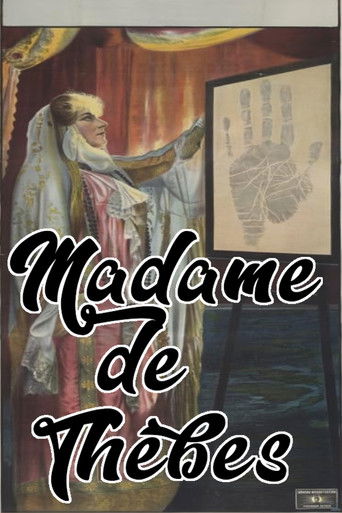
- Appeared in the Swedish silent film Madame de Thèbes (1915)
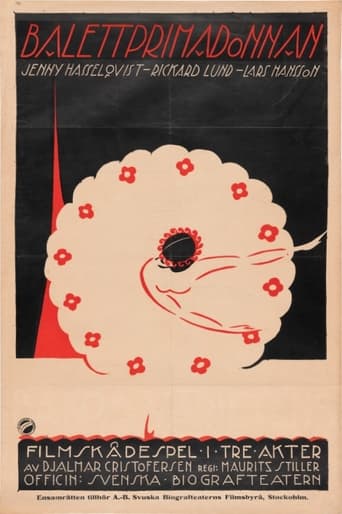
- Appeared in The Ballet’s Prima-donna (1916)
- Represents an early-screen performer active during the formative years of Scandinavian silent cinema
Films
- Madame de Thèbes (1915)
- The Ballet’s Prima-donna (1916)
Notes
- Albert Ståhl is known today almost entirely through surviving film credits rather than extensive biographical documentation.
- His recorded screen work falls within a very narrow window, 1915 to 1916, during the silent-film era.
- He is associated with early Swedish cinema, a national film tradition that became internationally respected in the silent period.
- Both known films from his filmography date from the mid-1910s, before the widespread transition to sound cinema.
- No widely circulated photographs, interviews, or memoir material have been confidently tied to him in standard reference sources.
- Because of the limited documentation, he is an example of how many early film performers remain partially obscure despite having appeared in released films.
Questions
Who was Albert Ståhl?
Albert Ståhl was a Swedish actor known from surviving credits in two silent-era films from the mid-1910s. He is a minor historical figure in classic cinema whose documented screen work belongs to early Scandinavian film history.
What films is Albert Ståhl best known for?
He is best known for Madame de Thèbes (1915) and The Ballet’s Prima-donna (1916). These are the only widely documented film credits currently associated with him in accessible references.
When was Albert Ståhl born and when did he die?
His birth and death dates are not reliably documented in the sources available for this record. At present, those details remain unknown.
What awards did Albert Ståhl win?
No awards or formal honors have been verified for Albert Ståhl in the surviving record. This is not unusual for early silent-era performers whose careers were often under-documented.
What was Albert Ståhl's acting style?
His specific acting style is not documented in surviving reference material. Given his silent-era context, he would have worked within the expressive, gesture-based performance conventions typical of early cinema.
What is Albert Ståhl's legacy in film history?
His legacy is chiefly historical and archival, as one of the many performers who contributed to the development of early Swedish silent cinema. Even with limited biographical information, his name remains part of the record of classic film history.