Films
2 films
About Thomas White
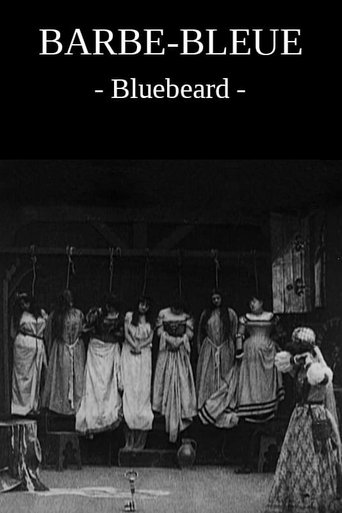
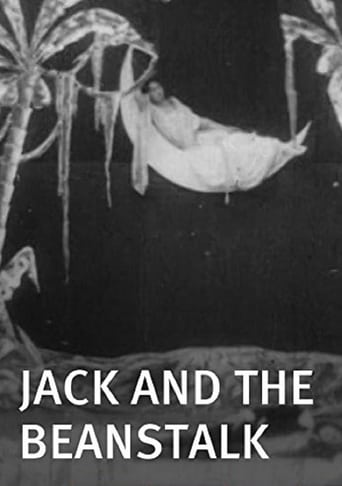
Thomas White worked on dawn of cinema during the early 1900s. His brief film from 1901 to 1902, a period when motion pictures were still a novel form of entertainment and typically lasted only a few minutes. White appeared in at least two films: 'Bluebeard' (1901) and 'Jack and the Beanstalk' (1902), both of which were likely adaptations of classic fairy tales that were popular subjects for early filmmakers. Like many actors of this era, White was probably a stage performer who transitioned to the new medium of film when it was still in its experimental stages. His career in motion pictures appears to have been extremely brief, which was common for many early film actors who either returned to theater or left the industry entirely as cinema evolved. The lack of extensive documentation about his life and career is typical of performers from this very early period of film history, when actors were often not credited and detailed records were not systematically kept.
The Craft
On Screen
Like most actors of the very early film era, Thomas White's acting style would have been heavily influenced by stage performance techniques, featuring exaggerated gestures and expressions to compensate for the lack of synchronized sound. His performances would have been characterized by broad physical movements and dramatic facial expressions that could be clearly read by audiences in silent films. This theatrical approach was standard practice before the development of more subtle, film-specific acting techniques that emerged later in the silent era.
Milestones
- Appeared in 'Bluebeard' (1901)
- Appeared in 'Jack and the Beanstalk' (1902)
- Participated in the dawn of cinema during its formative years
Best Known For
Must-See Films
Why They Matter
Impact on Culture
Thomas White represents the generation of film actors who helped establish cinema as a legitimate art form during its infancy in the early 1900s. While his individual contributions were limited to just two known films, he was part of the transitional period when performers moved from stage to screen, helping to develop the language of film acting. His work in early adaptations of classic fairy tales contributed to the establishment of narrative filmmaking that would become the foundation of cinema as we know it today.
Lasting Legacy
Thomas White's legacy is primarily as a representative of the very first generation of film actors who worked during the dawn of cinema. While not a major star whose name endured through film history, he represents the countless performers who participated in cinema's formative years. His appearances in early fairy tale adaptations place him within the context of filmmakers' early efforts to bring familiar stories to the new medium of motion pictures, helping to establish narrative conventions that would influence cinema for decades to come.
Who They Inspired
Due to the extremely brief nature of Thomas White's film career and the limited documentation of his work, his direct influence on subsequent generations of actors and filmmakers is difficult to trace. However, like all early film performers, he contributed to the gradual development of film acting techniques that would evolve from theatrical exaggeration to more subtle, camera-appropriate performances. His work in early narrative films helped pave the way for the sophisticated storytelling methods that would emerge in later decades.
Off Screen
Very little is known about Thomas White's personal life, which is typical of actors from the very early silent era when detailed biographical records were not systematically maintained. Like many performers of his time, he was likely a stage actor who briefly experimented with the new medium of motion pictures before either returning to theater or leaving performance entirely.
Did You Know?
- Thomas White's film active years covered only two years, from 1901 to 1902
- Both of his known films were adaptations of classic fairy tales
- He worked during the very dawn of cinema when films were typically only a few minutes long
- Early film actors like White were often not Thomas White appeared in their films
- The early 1900s was a period when many stage actors briefly experimented with the new medium of film
- Detailed biographical information about actors from this era is often scarce due to limited record-keeping
- His films were made before the development of feature-length movies
- Cinema in 1901-1902 was still considered more of a novelty than a serious art form
Frequently Asked Questions
Who was Thomas White?
Screen credits include two films during the dawn of cinema: 'Bluebeard' (1901) and 'Jack and the Beanstalk' (1902). His brief film active years covered just two years, making him one of the actors who helped establish motion pictures as a new form of entertainment.
What films is Thomas White best known for?
Titles linked here include Bluebeard (1901), Jack and the Beanstalk (1902).
When was Thomas White born and when did he die?
Unfortunately, specific birth and death dates for Thomas White are not available in historical records, which is common for actors from the very early silent era when detailed biographical information was not systematically documented.
What awards did Thomas White win?
Thomas White did not receive any formal awards or recognition, as he worked during a period before the establishment of organized film awards systems like the Academy Awards, which were founded decades later in 1929.
What was Thomas White's acting style?
Like most actors of the early 1900s, Thomas White's acting style would have been heavily influenced by theatrical performance, featuring exaggerated gestures and dramatic expressions to communicate emotions in silent films before more subtle film-specific techniques were developed.
Why is so little known about Thomas White?
The scarcity of information about Thomas White is typical of actors from cinema's earliest days, when detailed records were not maintained, performers were often not credited, and many who appeared in films were stage actors who only briefly experimented with the new medium.