Edwin Thanhouser
Director
Born: November 11, 1865 in Indianapolis, Indiana, United States Died: March 21, 1926 Active: 1909-1920
Films
1 film
About Edwin Thanhouser
Founded independent studios of the silent era. Born in 1865, he began his career as a stage actor and theater manager before transitioning to the burgeoning film industry in 1909. He established the Thanhouser Company in New Rochelle, New York, which quickly gained recognition for producing high-quality dramatic films with sophisticated narratives and strong performances. Under his leadership, the studio became known for its ambitious productions and was particularly successful with adaptations of literary classics and social dramas. After selling the company in 1912 to Mutual Film Corporation, Thanhouser returned to lead the studio again in 1915 following a decline in quality under new management. He continued to innovate and produce films until the studio's closure in 1920, after which he largely retired from the film industry. His contributions helped establish professional standards in early American cinema and demonstrated that independent studios could compete successfully with the larger film trusts.
The Craft
Behind the Camera
Edwin Thanhouser's directing style emphasized dramatic storytelling with strong moral themes and sophisticated narratives. He favored clear, linear storytelling with well-developed characters and emotional depth, moving away from the simpler theatrical presentations common in early cinema. His films often featured complex plots with social commentary and psychological realism, particularly in his crime dramas and adaptations of literary works. Thanhouser emphasized naturalistic performances from his actors and used innovative camera techniques to enhance the dramatic impact of his scenes.
Milestones
- Founded Thanhouser Company in 1909,
- Produced over 1,000 films during the studio's operation
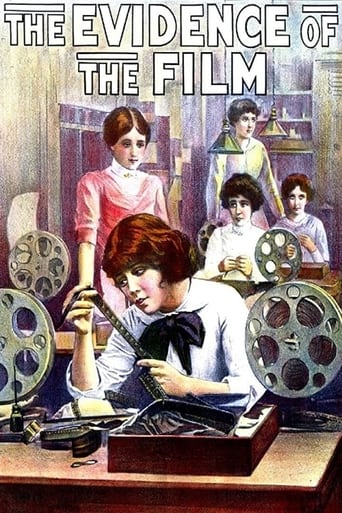
- Directed 'The Evidence of the Film' (1913), a crime thriller
- Established Thanhouser's reputation for high-quality dramatic productions
- Returned to rescue the studio in 1915 after its decline under new ownership
- Pioneered professional film production standards and techniques
Best Known For
Must-See Films
Accolades
Special Recognition
- Inducted into the New Rochelle Walk of Fame for contributions to cinema
- Recognized by film historians as a pioneer of American independent film production
Working Relationships
Worked Often With
Studios
Why They Matter
Impact on Culture
Edwin Thanhouser played a crucial role in establishing American independent cinema as a viable alternative to the Motion Picture Patents Company's monopoly. His studio's emphasis on quality productions helped elevate the artistic standards of American films during the early 1910s. Thanhouser's films often addressed social issues and featured strong female protagonists, contributing to early cinema's exploration of complex themes. The studio's success demonstrated that independent producers could compete with the established film trusts, paving the way for Hollywood's eventual studio system.
Lasting Legacy
Edwin Thanhouser's legacy lies in his role as an independent film producer who demonstrated that quality, artistic integrity, and commercial success could coexist in early cinema. The Thanhouser Company's films are studied by film historians for their sophisticated storytelling and technical innovations. Many Thanhouser productions survive today and are preserved in film archives, providing valuable insights into early American cinema. The studio's business model and production methods influenced the development of Hollywood's studio system, and Thanhouser's emphasis on dramatic storytelling helped establish narrative film as the dominant form of cinema.
Who They Inspired
Thanhouser influenced numerous filmmakers who would later become prominent in Hollywood, including James Cruze, who went on to direct major silent films. His studio's production methods and emphasis on quality became benchmarks for other independent producers. The Thanhouser Company's success inspired other entrepreneurs to challenge the film trust's dominance, ultimately leading to the breakup of Edison's monopoly and the rise of Hollywood. His films' sophisticated narratives influenced the evolution of cinematic storytelling techniques throughout the silent era and beyond.
Off Screen
Edwin Thanhouser was married to Gertrude H. Thanhouser, who played a significant role in the Thanhouser Company's operations, particularly in script selection and casting. The couple had two children, including their daughter Jean, who became a prominent actress in Thanhouser productions. Thanhouser was known for his business acumen and artistic vision, balancing commercial success with artistic integrity. After retiring from the film industry, he lived a relatively quiet life in New York until his death in 1926 from heart disease.
Education
Limited formal education; primarily self-taught through theater experience and business management
Family
- Gertrude H. Thanhouser (married 1890s-1926)
Did You Know?
- The Thanhouser Company was originally operated out of a converted roller skating rink in New Rochelle, New York
- Edwin Thanhouser sold his studio for $250,000 in 1912, a substantial sum for the time
- His daughter Jean was
- The studio employed over 600 people at its peak in 1914
- Thanhouser films were distributed internationally, with particular success in Europe
- The studio's logo featured a rooster, symbolizing 'rising early' to make films
- Many Thanhouser films were adaptations of literary works, including Shakespeare and Dickens
- The company was one of the first to use location shooting for dramatic effect
- Thanhouser's studio survived two major fires, in 1913 and 1915
- The Evidence of the Film (1913) is considered one of the earliest examples of the crime thriller genre
In Their Own Words
Quality in motion pictures is not a luxury, but a necessity for the advancement of the art form
The moving picture is not merely entertainment; it is an educational force of tremendous power
We must strive to elevate the public taste, not cater to its lowest common denominator
Frequently Asked Questions
Who was Edwin Thanhouser?
American film producer and on YTB.my. He was instrumental in establishing professional standards in early American cinema and produced over 1,000 films during his career.
What films is Edwin Thanhouser best known for?
Titles linked here include The Evidence of the Film (1913), Dr. Jekyll and Mr. Hyde (1912).
When was Edwin Thanhouser born and when did he die?
Born November 11, 1865; died March 21, 1926.
What awards did Edwin Thanhouser win?
Edwin Thanhouser worked primarily before the establishment of major film awards like the Academy Awards. However, he has been posthumously recognized for his contributions to cinema, including induction into the New Rochelle Walk of Fame. His studio's films are preserved in major film archives as historically significant works.
What was Edwin Thanhouser's directing style?
Thanhouser's directing style emphasized dramatic storytelling with strong moral themes and sophisticated narratives. He favored clear, linear storytelling with well-developed characters, moving away from simpler theatrical presentations. His films often featured complex plots with social commentary and psychological realism, particularly in his crime dramas and literary adaptations.
How did Edwin Thanhouser influence early cinema?
Thanhouser helped establish American independent cinema as a viable alternative to the Motion Picture Patents Company's monopoly. His studio's emphasis on quality productions elevated artistic standards in American films and demonstrated that independent producers could compete successfully with larger film trusts, paving the way for Hollywood's eventual studio system.