Films
2 films
About Albert Lambert
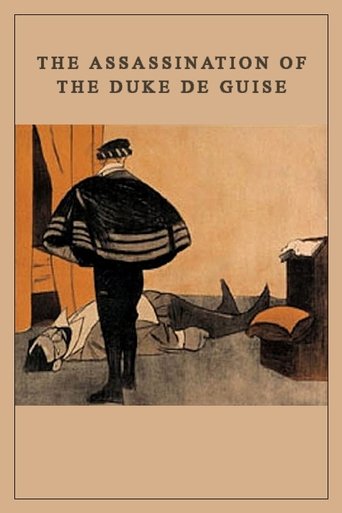
French actor who emerged during the days of cinema, appearing in two significant early films that helped establish the art of narrative filmmaking. His brief but notable film the years 1908-1909, a period when cinema was transitioning from simple novelty acts to sophisticated storytelling. Lambert's most prominent role was in 'The Assassination of the Duke de Guise' (1908), a landmark French historical drama that featured one of the first original film scores composed by Camille Saint-Saëns. The following year, he appeared in 'The Return of Ulysses' (1909), another early French production that demonstrated the growing ambition of filmmakers to adapt literary classics to the screen. Like many actors of this very early period, Lambert likely came from a theatrical background, as the acting techniques required for silent films were heavily influenced by stage performance. His disappearance from film records after 1909 suggests he may have returned to stage work or pursued other career paths as cinema was still not considered a prestigious profession at the time.
The Craft
On Screen
Like most actors of the 1900s, Lambert employed exaggerated theatrical gestures and expressions typical of stage acting adapted for the silent screen. His performances emphasized broad physical movements and dramatic facial expressions to convey emotion without dialogue, following the conventions of early cinema where actors needed to communicate clearly to audiences unfamiliar with film language.
Milestones
- Appeared in 'The Assassination of the Duke de Guise' (1908), one of the first films with an original musical score
- Starred in 'The Return of Ulysses' (1909), an early adaptation of classical literature
- Participated in the formative years of French cinema during the silent era
Best Known For
Iconic Roles
Must-See Films
Working Relationships
Worked Often With
Studios
Why They Matter
Impact on Culture
Albert Lambert's contribution to cinema, though brief, represents an important moment in film history when the medium was establishing itself as a legitimate art form. His participation in 'The Assassination of the Duke de Guise' placed him at the forefront of cinematic innovation, as this film was among the first to feature an original musical score by a major composer, helping elevate cinema from mere entertainment to high art. The film's success demonstrated that historical subjects could be successfully adapted to the screen, paving the way for future historical epics and establishing France as a leader in early cinematic artistry.
Lasting Legacy
While Albert Lambert himself is largely forgotten to history, his films remain significant artifacts of early cinema. 'The Assassination of the Duke de Guise' is preserved and studied by film historians as an example of the artistic ambitions of early French filmmakers. Lambert's work represents the transitional period when actors were adapting their craft from stage to screen, helping develop the visual language of film performance that would evolve throughout the silent era.
Who They Inspired
As an actor from the very dawn of narrative cinema, Lambert was part of the generation that established basic acting techniques for film. His performances, along with those of his contemporaries, helped define how emotions and stories could be conveyed visually without dialogue, influencing generations of silent film actors who would follow. The theatrical style he employed would gradually evolve into more naturalistic film acting as the medium matured.
Off Screen
Very little is documented about Albert Lambert's personal life, which was typical for actors of this very early period in cinema history. The lack of comprehensive biographical information reflects how little importance was placed on preserving details about film performers during cinema's infancy. Most actors from this era were not considered celebrities in the modern sense, and their personal lives remained largely undocumented.
Did You Know?
- 'The Assassination of the Duke de Guise' (1908) featured music composed by Camille Saint-Saëns, one of the first original film scores
- The film was produced by Le Film d'Art, a company founded to elevate cinema to the level of legitimate art
- Lambert's film career lasted only two years, typical for many early cinema actors
- Both of Lambert's known films were French productions, reflecting France's dominance in early cinema
- The Duke de Guise assassination was a real historical event that occurred in 1588
- Early film actors like Lambert were often anonymous, as intertitles and credits were not standardized
- The Return of Ulysses (1909) was among the earliest attempts to adapt classical mythology to film
- Actors in this period often performed multiple roles within the same film due to small cast sizes
Frequently Asked Questions
Who was Albert Lambert?
French with credits in this catalog. He is best known for his role in 'The Assassination of the Duke de Guise,' a landmark early French film that featured one of the first original musical scores composed for cinema.
What films is Albert Lambert best known for?
Titles linked here include The Assassination of the Duke de Guise (1908), The Return of Ulysses (1909).
When was Albert Lambert born and when did he die?
Unfortunately, Albert Lambert's birth and death dates are not documented in historical records, which is common for actors from this very early period of cinema. He was active as an actor only during the years 1908-1909.
What awards did Albert Lambert win?
Albert Lambert did not receive any formal awards or recognition during his lifetime, as the film industry had not yet established awards ceremonies during his brief career in 1908-1909. The first Academy Awards would not be established until 1929.
What was Albert Lambert's acting style?
Lambert employed the theatrical acting style typical of early cinema, featuring exaggerated gestures and dramatic facial expressions to convey emotion without dialogue. This style was influenced by stage acting and was necessary to communicate clearly to audiences still learning to understand film as a visual medium.