



The Return of Ulysses
"Ulysses wanders ten years while Penelope waits"
Keys: Space play/pause · ←/→ 10s · F fullscreen · M mute · </> speed
About this film
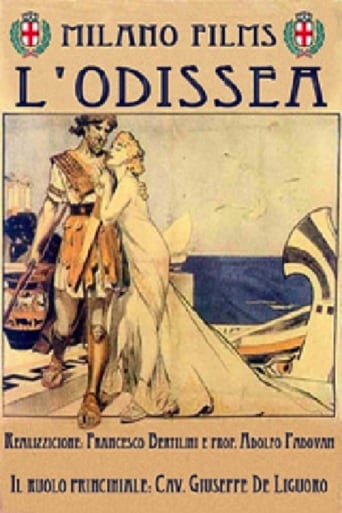
When Troy has fallen and Ulysses sets sail for home, his ships are driven to different lands, where his adventures are numerous, keeping him away from his native land for ten years. As time rolls on without his return he is looked upon as dead by everyone except his wife, Queen Penelope, who firmly believes that her husband still lives and will some day return to her.
Cast & crew
More films like this
More History films
View all →


More from Charles le Bargy
View all →
More about this film
About the production
Release date1909
ProductionPathé Frères
Filmed inParis, France
This was one of the earliest cinematic adaptations of Homer's Odyssey, produced during the pioneering era of French cinema. The film utilized the limited but innovative special effects available in 1909, including hand-tinted color sequences for mythological elements. The production employed theatrical actors from the Comédie-Française, bringing classical acting techniques to the new medium of cinema. The film was likely shot on simple sets with painted backdrops, typical of the period, with minimal location shooting.
Themes
Loyalty and faithfulnessThe hero's journeyHomecomingDivine interventionThe passage of time
Themes & topics
OdysseyGreek mythologyAncient GreeceMythological adventureSea voyagePenelopeUlyssesTrojan War aftermathEpic journeyHomecomingDisguiseMythological creaturesDivine punishmentMarital fidelityRoyal succession
Historical background
Made during the nickelodeon years around 1909, The Return of Ulysses reached audiences through theatrical programs, fairground booths, or specialized distribution channels typical of its generation. When Troy has fallen and Ulysses sets sail for home, his ships are driven to different lands, where his adventures are. Historians now read such works for what they reveal about production methods, national taste, and the expanding vocabulary of screen narrative.
Why this film matters
Archivists and programmers still screen The Return of Ulysses when tracing how popular entertainment evolved. Its subject—when troy has fallen and ulysses sets sail for home, his ships are driven to different lands, where—gives later viewers tangible evidence of what drew crowds in the silent period. Home video, restorations, and festival sidebars keep the title circulating among students of film history.
Making of
The making of 'The Return of Ulysses' represented a significant undertaking for 1909 cinema, requiring elaborate costumes and sets that were unusual for the period. Charles le Bargy, transitioning from stage to screen, brought theatrical sensibilities to the production, emphasizing dramatic gestures and poses that would read clearly in silent film. The cast, drawn from France's most prestigious theatrical institutions, had to adapt their acting styles for the camera's intimate perspective. The mythological scenes likely utilized primitive special effects techniques, including multiple exposures and matte paintings to create the illusion of gods and monsters. The film's production reflected Pathé Frères' commitment to elevating cinema from mere novelty to artistic medium through ambitious literary adaptations.
What critics said
Original trade coverage treated The Return of Ulysses as routine program filler rather than a landmark production—common for shorts. Later criticism emphasizes preservation, stylistic comparison with contemporaries, and whatever cast or crew names later gained prominence. Contemporary writing is mostly historical: assessing completeness, influence, and place in a director's or studio's catalog.
Did you know?
- This was one of the first films to adapt classical Greek mythology for cinema, helping establish the epic genre in early film.
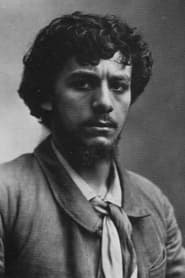
- Director Charles le Bargy was primarily known as a stage actor before transitioning to film direction.
- The film was produced by Pathé Frères, among the pivotal early film studios in the world.
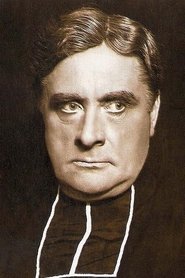
- Paul Mounet, who played Ulysses, was a renowned stage actor and teacher at the Paris Conservatoire.
- Julia Bartet was a famous actress of the Comédie-Française, lending cultural prestige to this early film production.
- The film was likely hand-colored frame by frame, a common but labor-intensive practice in early cinema.
- At 12 minutes, this was considered a relatively long film for 1909, when most films were only 1-3 minutes.
- The film was part of a wave of literary adaptations that helped cinema gain artistic legitimacy in its early years.
- Albert Lambert, who appears in the film, would later become a prominent film director himself.
- The production coincided with the height of French cinematic dominance before World War I.
Visual style
The cinematography of 'The Return of Ulysses' employed the static camera techniques typical of 1909, with the camera remaining fixed for most scenes to capture theatrical-style performances. The film likely utilized the available lighting technology of the period, which meant bright, flat illumination necessary for the slow film stocks of the era. Visual storytelling relied heavily on composition within the frame and actors' exaggerated gestures to convey narrative and emotion. Some sequences may have incorporated special effects techniques such as multiple exposures or dissolves to represent supernatural elements, though these would appear primitive by modern standards.
Innovations
For its time, 'The Return of Ulysses' represented several technical achievements in early cinema. The film's relatively long running time of 12 minutes required careful planning of narrative continuity, which was still being developed as a cinematic technique. The production likely utilized hand-coloring techniques for certain scenes, a labor-intensive process that added visual appeal and helped distinguish important narrative elements. The film's costume design and set construction demonstrated the growing sophistication of film production values, moving beyond the simple sets of earlier cinema. The adaptation of such a complex story to the limited time constraints of early film showed developing skills in narrative condensation and visual storytelling.
Music
As a silent film from 1909, 'The Return of Ulysses' would have been accompanied by live musical performance during its theatrical exhibitions. The typical accompaniment would have been a pianist or small ensemble performing classical pieces, popular songs, or improvised music that matched the mood of each scene. For a mythological subject, the musical accompaniment likely drew from classical composers or dramatic romantic pieces to enhance the epic nature of the story. The score would have been selected by the individual theater rather than being standardized across all showings.
Famous quotes
I am Ulysses, son of Laertes, known to all for my cunning.
Twenty years I have been away, but my heart never left Ithaca.
No man can withstand the will of the gods, but the wise man learns to work with it.
A true wife's love knows neither distance nor time.
The greatest adventure is the journey home.
Memorable scenes
- Ulysses' dramatic reveal to the suitors after stringing his bow, a moment of divine retribution that restores order to his kingdom; Penelope's nightly unraveling of her weaving, a clever act of defiance against the oppressive suitors; Ulysses' encounter with the cyclops Polyphemus, showcasing the hero's cunning over brute strength; The emotional reunion between Ulysses and his faithful dog Argos, who recognizes his master despite his beggar's disguise.
What audiences thought
Audiences in 1909 reportedly responded enthusiastically to the film's spectacular elements and familiar classical story. The presence of famous theatrical actors drew curious theater-goers to cinemas, helping expand film's audience beyond the working-class demographics that had dominated early cinema attendance. The mythological subject matter, with its potential for visual spectacle, appealed to audiences' growing appetite for more elaborate film productions. Contemporary accounts suggest the film was particularly successful in urban centers where audiences had some familiarity with classical education.
Film connections
Influenced by
- Homer's Odyssey
- Classical Greek mythology
- 19th-century theatrical adaptations of classical works
- French literary tradition
- Stage melodrama conventions
This film influenced
- Later adaptations of The Odyssey
- Italian epic films of the 1910s
- Hollywood mythological epics of the 1950s-60s
- Sword and sandal genre films
Film restoration
The preservation status of 'The Return of Ulysses' (1909) is uncertain, with film historians considering it possibly lost or existing only in fragmentary form. Many films from this early period of cinema have been lost due to the unstable nitrate film stock used at the time and the lack of systematic preservation efforts. However, some archives and film institutions may hold copies or fragments of this production. The Cinémathèque Française and other European film archives would be the most likely repositories for any surviving elements of this early French film.
Where to watch
- Due to its age and uncertain preservation status, 'The Return of Ulysses' (1909) is not widely available for viewing. Any surviving copies would likely be accessible only through specialized film archives such as the Cinémathèque Française, the British Film Institute, or other preservation institutions. Occasionally, early cinema retrospectives or academic screenings might include the film if prints exist. Some fragments or stills might be viewable through online databases of early cinema, but complete viewing opportunities would be extremely rare.