No Poster

Films
2 films
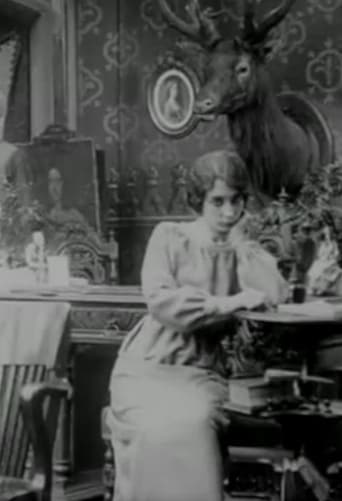
About Delaunay
Delaunay was cast in French cinema during the years of motion pictures. His documented from 1909 to 1913, placing him among the first generation of professional film actors. Delaunay appears in 'The Return of Ulysses' (1909), one of the earliest cinematic adaptations of classical literature, demonstrating the ambitious scope of early French filmmaking. His role in 'The Black Diamond' (1913) suggests he continued working through the rapid evolution of cinematic techniques in the early 1910s. Like many actors of this era, Delaunay's career was likely overshadowed by the emergence of larger film studios and star systems that would dominate cinema in later years. The brevity of his documented filmography may indicate either a short career or incomplete historical records, which is common for actors working in cinema's first decade.
The Craft
Milestones
- Appeared in 'The Return of Ulysses' (1909), an early literary adaptation
- Starred in 'The Black Diamond' (1913)
- Worked during the foundational period of French cinema
- Participated in the transition from short films to feature-length productions
Best Known For
Iconic Roles
Must-See Films
Why They Matter
Impact on Culture
Delaunay represents the generation of actors who helped establish the foundation of narrative cinema during its formative years. His participation in early literary adaptations like 'The Return of Ulysses' contributed to the development of cinematic storytelling techniques. These actors were instrumental in proving that film could handle complex narratives and classical material, paving the way for the sophisticated cinema that would follow. Though largely forgotten today, actors like Delaunay were essential contributors to the artistic legitimacy of motion pictures as a serious medium.
Lasting Legacy
Delaunay's legacy lies in his contribution to early French cinema during its most experimental phase. His work in 'The Return of Ulysses' places him among the first actors to tackle classical material on screen, helping establish film's capability to handle literary adaptations. The preservation of his films, however fragmentary, provides valuable insight into early 20th-century performance styles and cinematic techniques. While not a household name, Delaunay represents the countless anonymous pioneers who built the foundation of modern cinema.
Who They Inspired
As an early silent film actor, Delaunay's influence was primarily in helping establish acting conventions for the new medium of cinema. His work in narrative films during the transition from actualities to storytelling films contributed to the development of screen acting techniques that would influence subsequent generations of performers. The challenges he faced in adapting theatrical performance styles to the demands of the camera helped shape the evolution of film acting as a distinct art form.
Did You Know?
- Delaunay's active years covered only four documented years, typical of many early film pioneers
- 'The Return of Ulysses' (1909) was among the first cinematic adaptations of Homer's epic
- The early 1910s marked a crucial transition period in cinema, with films evolving from short subjects to longer narratives
- Many French actors of this period worked for multiple production companies as the studio system was still developing
- The preservation status of Delaunay's films is uncertain, as many early French films have been lost
- Actors in this era often came from theatrical backgrounds, adapting stage techniques for the new medium
- The name 'Delaunay' suggests French heritage, consistent with the early dominance of French cinema
- Early film actors like Delaunay often performed multiple roles within single productions due to limited casts
Frequently Asked Questions
Who was Delaunay?
French silent film with credits in this catalog. He appeared in early French productions including 'The Return of Ulysses' and 'The Black Diamond,' representing the first generation of professional film actors.
What films is Delaunay best known for?
Titles linked here include The Return of Ulysses (1909), The Black Diamond (1913).
When was Delaunay born and when did they die?
Specific birth and death dates for Delaunay are not documented in historical records, which is common for actors working in cinema's earliest decade. His active career is known to have spanned from 1909 to 1913.
What awards did Delaunay win?
No awards or honors are documented for Delaunay, which is typical for actors working in the early silent era before the establishment of formal film award systems. The first major film awards would not be established until decades after his career ended.
What was Delaunay's acting style?
Specific details about Delaunay's acting style are not documented, but actors of this era typically adapted theatrical techniques for the camera, using exaggerated gestures and expressions to convey emotion in silent films. His work in literary adaptations suggests he was capable of handling classical material.
Why is so little known about Delaunay?
Limited documentation of Delaunay's life and career is typical for early film actors, as many records from 1909-1913 have been lost or were never comprehensively maintained. The film industry was still developing systems for documenting and preserving performer information during this period.
What was the significance of Delaunay's films?
'The Return of Ulysses' (1909) was significant as one of the first attempts to adapt classical literature to cinema, while 'The Black Diamond' (1913) represents the evolution toward more complex narratives. These films demonstrate the artistic ambitions of early French cinema and its role in establishing film as a serious artistic medium.