
Gabrielle Robinne
Actor
Born: July 1, 1873 in Montluçon, Allier, France Died: December 18, 1962 Active: 1890s-1930s Birth Name: Marie-Louise Gabrielle Robinne
Films
4 films
About Gabrielle Robinne
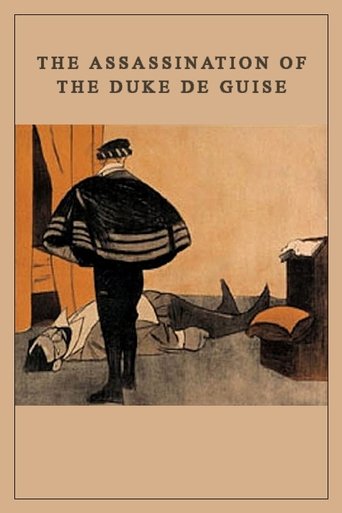
Gabrielle Robinne is credited on a single production — The Assassination of the Duke de Guise (1908). Born Marie-Louise Gabrielle Robinne in 1873, she began her career primarily as a stage actress, eventually becoming a prominent member of the renowned Comédie-Française, France's most prestigious theatrical institution. Her transition to cinema came during the pivotal period when film was establishing itself as a legitimate art form, and she appeared in several important early French productions. Her most significant film work was in 'The Assassination of the Duke de Guise' (1908), a landmark production that helped elevate cinema's artistic status through its historical subject matter and production values. Throughout her career, she maintained strong ties to the theater while selectively appearing in films that matched her artistic standards. She was married to fellow actor René Alexandre, with whom she frequently performed both on stage and screen. Her screen career spanned the late 19th century through the early decades of the 20th century, making her a witness to and participant in the birth of cinematic art.
The Craft
On Screen
Classical theatrical style adapted for early cinema, characterized by refined gestures and dramatic expression typical of the Comédie-Française tradition
Milestones
- Member of the Comédie-Française
- Starred in 'The Assassination of the Duke de Guise' (1908)
- Appeared in 'The Return of Ulysses' (1909)
- figure in early French cinema
- Successful transition from theater to film
Best Known For
Iconic Roles
Must-See Films
Accolades
Won
- Recognition as a sociétaire of the Comédie-Française
Special Recognition
- Full member (sociétaire) of the Comédie-Française
- Pioneer of early French cinema
Working Relationships
Worked Often With
Studios
Why They Matter
Impact on Culture
Gabrielle Robinne played a significant role in legitimizing cinema as an art form during its infancy by bringing theatrical prestige to early French films. Her participation in 'The Assassination of the Duke de Guise' helped establish the Film d'Art company's mission to elevate cinema beyond mere entertainment to the level of high art. As a respected member of the Comédie-Française appearing in films, she helped bridge the gap between traditional theater and the new medium of cinema, encouraging other stage actors to consider film work. Her performances contributed to the development of acting techniques suitable for the silent screen, adapting classical theatrical methods for the camera. The success of films featuring established theater actors like Robinne demonstrated to audiences and critics alike that cinema could accommodate serious artistic performances.
Lasting Legacy
Gabrielle Robinne's legacy lies in her role as a figure who helped establish the artistic credibility of French cinema during its formative years. As one of the first stage actresses to embrace the new medium of film, she set a precedent for the integration of theatrical excellence into cinematic performance. Her work with the Film d'Art company contributed to the early 20th century movement to elevate cinema's cultural status in France. The preservation of her films, particularly 'The Assassination of the Duke de Guise,' provides modern scholars and film enthusiasts with valuable insights into early cinematic acting techniques and the transition from stage to screen. Her career represents the important bridge between France's rich theatrical heritage and the birth of its national cinema.
Who They Inspired
Robinne influenced subsequent generations of French actors by demonstrating that theatrical training could be successfully adapted to the medium of film. Her work helped establish the precedent for serious stage actors to participate in cinema without compromising their artistic integrity. The classical approach to performance she embodied influenced the development of French film acting style during the silent era, which often maintained a connection to theatrical traditions. Her success in both mediums helped create a career model for actors who wished to maintain versatility across different performance platforms. The artistic standards she brought to early film work contributed to France's reputation for producing cinema of high cultural value.
Off Screen
Gabrielle Robinne was married to fellow actor René Alexandre, and their partnership extended beyond their personal life into their professional careers. The couple frequently performed together both on stage and in early films, representing one of the first notable acting partnerships in French cinema. Her life spanned nearly nine decades, allowing her to witness the entire evolution of cinema from its birth through the transition to sound. She maintained her connection to the theatrical world throughout her film career, never abandoning her stage roots. Her later years were spent in Paris, where she lived until her death at age 89.
Education
Trained in classical French theater, likely through formal theatrical education of the period
Family
- René Alexandre (married 1902 until his death in 1946)
Did You Know?
- Her film 'The Assassination of the Duke de Guise' featured an original musical score by renowned composer Camille Saint-Saëns, making it one of the first films with specially composed music
- The Film d'Art company that produced her most famous film was specifically created to bring artistic legitimacy to cinema by featuring famous stage actors
- She was part of the first generation of actors to successfully transition from established theater careers to the new medium of film
- Her marriage to René Alexandre represented one of early cinema's first power couples
- The Comédie-Française, where she was a member, is France's oldest active theater company, founded in 1680
- She lived through the entire silent era and into the age of television, witnessing nearly the complete history of cinema
- Her films were among the first to demonstrate that historical subjects could be successfully adapted to the cinematic medium
- The preservation of her 1908 film makes it one of the oldest surviving French narrative films
- She represented the ideal of the French classical actress during a period when cinema was seeking cultural respectability
In Their Own Words
While specific quotes are not widely documented, her career exemplified the belief that 'Art transcends medium, whether on stage or screen'
Frequently Asked Questions
Who was Gabrielle Robinne?
French actress who was prominent during the silent era, known for being a member of the prestigious Comédie-Française theater company and for appearing in early French films. She successfully bridged the worlds of classical theater and emerging cinema, helping to legitimize film as an art form.
What films is Gabrielle Robinne best known for?
Titles linked here include The Assassination of the Duke de Guise (1908), The Return of Ulysses (1909).
When was Gabrielle Robinne born and when did she die?
Born July 1, 1873; died December 18, 1962.
What awards did Gabrielle Robinne win?
While specific modern awards were not established during her active period, her greatest honor was being named a sociétaire (full member) of the Comédie-Française, France's most prestigious theatrical institution. This recognition represented the highest achievement in French theater.
What was Gabrielle Robinne's acting style?
Her acting style was rooted in the classical French theatrical tradition, characterized by refined gestures, dramatic expression, and formal diction typical of the Comédie-Française. She adapted this classical approach for the silent screen, helping establish early film acting techniques.
How did Gabrielle Robinne influence early cinema?
She influenced early cinema by bringing theatrical legitimacy to the medium through her participation in prestigious film productions. Her involvement helped bridge the gap between respected theater and the new art form of cinema, encouraging other stage actors to embrace film work.
Was Gabrielle Robinne married?
Yes, she was married to fellow actor René Alexandre from 1902 until his death in 1946. They frequently performed together both on stage and in early films, representing one of the first notable acting partnerships in French cinema.