
Barney Bigard
Actor
Born: March 3, 1906 in New Orleans, Louisiana, USA Died: June 27, 1980 Active: 1922-1978 Birth Name: Albany Leon Bigard
Films
2 films
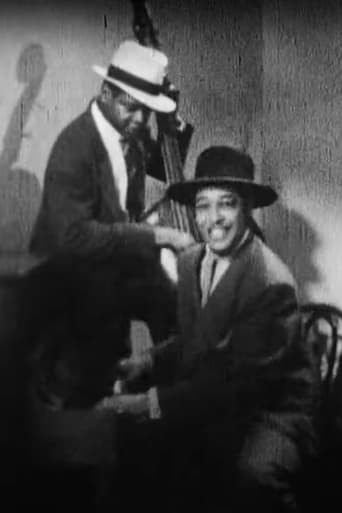
About Barney Bigard
Barney Bigard, born Albany Leon Bigard, was a jazz clarinetist and tenor saxophonist who made significant contributions to American music and appeared in several classic films. Born and raised in New Orleans, the birthplace of jazz, Bigard began his musical career in the vibrant local scene before joining Duke Ellington's orchestra in 1929, where he would remain for 13 years and create some of the most memorable clarinet solos in jazz history. His distinctive warm, lyrical tone and innovative techniques helped define the Ellington sound during its golden age, contributing to classics like 'Mood Indigo' and 'Black and Tan Fantasy.' After leaving Ellington in 1942, Bigard worked with various groups including Kid Ory's Creole Jazz Band and later joined Louis Armstrong's All-Stars in 1947, remaining with them for nearly two decades. His film appearances, though secondary to his musical career, showcased his extraordinary talent to wider audiences through musical shorts and features that captured the golden age of jazz on screen. Bigard's autobiography 'With Louis and the Duke,' published in 1986, provides invaluable insights into the jazz world of the 1920s through the 1960s, cementing his legacy as both a performer and chronicler of America's greatest musical art form.
The Craft
On Screen
Natural and authentic, primarily appearing as himself or as a musician in musical films, showcasing his genuine musical talent rather than adopting dramatic personas
Milestones
- Joined Duke Ellington Orchestra (1929-1942)
- Created clarinet solo on 'Mood Indigo'
- Appeared in Black and Tan (1929) with Duke Ellington
- Performed in Jam Session (1942)
- Joined Louis Armstrong's All-Stars (1947-1972)
- Recorded autobiography 'With Louis and the Duke' (1986)
- Inducted into the Big Band and Jazz Hall of Fame
Best Known For
Iconic Roles
Must-See Films
Accolades
Won
- Inducted into the Big Band and Jazz Hall of Fame (1980)
Special Recognition
- Louis Armstrong Award (1975)
- Jazz Hall of Fame Induction
- New Orleans Jazz & Heritage Foundation Honor
Working Relationships
Worked Often With
Studios
Why They Matter
Impact on Culture
Barney Bigard's influence on American music and cinema extends far beyond his relatively brief film appearances. As. His appearances in films like 'Black and Tan' and 'Jam Session' helped bring authentic jazz performances to mainstream audiences at a time when the art form was still developing its cultural legitimacy. Bigard's work with Duke Ellington created some of the most enduring recordings in jazz history, while his later collaborations with Louis Armstrong helped preserve and promote traditional New Orleans jazz for future generations. His transition from silent era shorts to sound-era musical films mirrored the evolution of American cinema itself, making him a living bridge between different eras of both music and film.
Lasting Legacy
Barney Bigard's legacy endures through his extensive recordings, particularly his work with Duke Ellington's orchestra and his long tenure with Louis Armstrong's All-Stars. His clarinet style, characterized by its warm, mellow tone and sophisticated harmonic sense, influenced generations of jazz musicians. The films in which he appeared serve as valuable historical documents, capturing the authentic sound and performance style of early jazz masters. His autobiography provides. Bigard's contributions to jazz education through his workshops and master classes helped ensure the continuation of traditional jazz styles, while his recordings continue to be studied and admired by musicians and scholars worldwide.
Who They Inspired
Bigard's clarinet technique, particularly his use of the low register and his smooth legato style, became a model for countless jazz clarinetists. His approach to improvisation, blending New Orleans traditions with sophisticated harmonies, influenced musicians across various instruments. Many clarinetists, including Woody Herman and Artie Shaw, cited Bigard as an important influence on their playing. His work with Ellington helped establish the clarinet as a legitimate jazz instrument in big band settings, paving the way for future generations. The educational value of his recordings continues to influence jazz pedagogy, with his solos frequently transcribed and studied by students of jazz improvisation.
Off Screen
Barney Bigard was married twice during his lifetime. His first marriage was to Marie Smith in 1926, which ended in divorce. He later married Ruth Bigard, with whom he remained until his death. Bigard was known for his humble demeanor and dedication to his craft, often preferring to let his music speak for itself rather than seeking the spotlight. Despite his fame, he maintained close ties to his New Orleans roots and often returned to perform in his hometown throughout his career.
Education
Self-taught musician, learned clarinet from Lorenzo Tio Jr. In New Orleans
Family
- Marie Smith (1926-1935)
- Ruth Bigard (1938-1980)
Did You Know?
- His nickname 'Barney' came from a childhood mispronunciation of 'Albany'
- He originally played alto saxophone before switching to clarinet
- His clarinet solo on 'Mood Indigo' is considered
- He appeared in over 20 films, mostly as himself or a musician
- Was one of the few African American musicians to achieve widespread recognition in both black and white venues during the segregation era
- His autobiography was dictated to a friend in his later years as he had difficulty writing
- He was a founding member of the Louis Armstrong All-Stars in 1947
- His clarinet was a custom-made Selmer model that he played for over 30 years
- He taught music lessons in Los Angeles during his later years
- Was featured on postage stamps in several countries honoring jazz musicians
In Their Own Words
Playing with Duke was like being in a different world every night. The music was always fresh, always new.
The clarinet is the closest instrument to the human voice. You can make it cry, you can make it sing.
Jazz isn't just music, it's a way of life. It comes from the heart and goes straight to the soul.
When Louis called me to join the All-Stars, I knew it was the right move. We were bringing real New Orleans music to the world.
Frequently Asked Questions
Who was Barney Bigard?
jazz clarinetist and tenor saxophonist who played with Duke Ellington's orchestra for 13 years and later with Louis Armstrong's All-Stars. He was.
What films is Barney Bigard best known for?
Titles linked here include Black and Tan (1929), Jam Session (1942).
When was Barney Bigard born and when did he die?
Born March 3, 1906; died June 27, 1980.
What awards did Barney Bigard win?
Barney Bigard was inducted into the Big Band and Jazz Hall of Fame in 1980, received the Louis Armstrong Award in 1975, and was honored by the New Orleans Jazz & Heritage Foundation for his contributions to jazz music.
What was Barney Bigard's musical style?
Bigard's style was characterized by a warm, mellow tone on clarinet, sophisticated harmonic sense, and smooth legato phrasing. He blended New Orleans jazz traditions with modern swing innovations, creating a distinctive voice that influenced generations of musicians.