
Joe 'Tricky Sam' Nanton
Actor
Born: February 1, 1904 in New York City, New York, USA Died: July 20, 1946 Active: 1926-1946 Birth Name: Joseph Nanton
Films
2 films
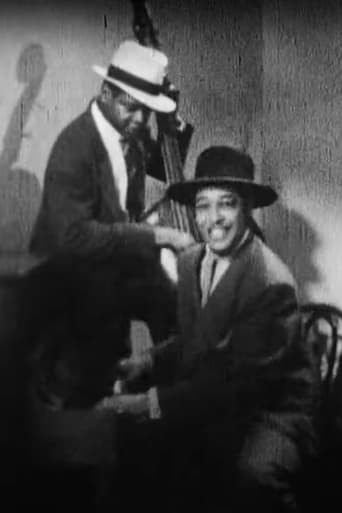
About Joe 'Tricky Sam' Nanton
Jazz trombonist who revolutionized the instrument's role in big band music through his innovative 'growl' technique using a plunger mute. Born in New York City in 1904, Nanton joined Duke Ellington's orchestra in 1926 and remained a key member until his death in 1946, becoming distinctive voices in the band's brass section. His unique sound, achieved through unconventional techniques including vocal effects while playing, created the signature 'jungle style' that defined early Ellington recordings. Nanton appeared in several short films featuring the Ellington orchestra during the swing era, including the 'Black and Tan' (1929), one of the first musical shorts to feature an all-Black cast. His collaborations with fellow trombonist Lawrence Brown created one of jazz's most celebrated brass sections, with their contrasting styles complementing each other perfectly. Despite battling health issues in his later years, Nanton continued performing and recording with Ellington until suffering a fatal stroke while on tour in 1946. His innovations on the trombone influenced generations of jazz musicians and helped establish the instrument as a solo voice in jazz ensembles.
The Craft
On Screen
While primarily a musician, Nanton's on-screen presence was natural and charismatic, performing as himself in musical shorts that showcased the Ellington orchestra's performances. His screen appearances were authentic extensions of his stage persona, focusing on his musical contributions rather than dramatic acting.
Milestones
- Joined Duke Ellington Orchestra in 1926
- Pioneered the 'growl' trombone technique
- Appeared in 'Black and Tan' (1929) - one of first all-Black musical shorts
- Featured in 'Jam Session' (1942)
- Created iconic solos on 'Black and Tan Fantasy' and 'The Mooche'
- Developed signature plunger mute style that defined Ellington's early sound
Best Known For
Iconic Roles
Must-See Films
Accolades
Won
- Inducted into the Big Band and Jazz Hall of Fame (1978)
- Inducted into the DownBeat Jazz Hall of Fame
Special Recognition
- Featured in the Smithsonian's Jazz History collection
- Honored in the Jazz at Lincoln Center Hall of Fame
- Recognized as a pioneer of jazz trombone techniques
Working Relationships
Worked Often With
Studios
Why They Matter
Impact on Culture
Joe 'Tricky Sam' Nanton fundamentally changed the role of the trombone in jazz, transforming it from a background instrument into a distinctive solo voice. His 'growl' technique, achieved through simultaneous playing and vocal effects, created a sound that became synonymous with the 'jungle style' of early Ellington recordings. This innovative approach helped define the sound of the Harlem Renaissance and influenced countless musicians who followed. Nanton's work in films like 'Black and Tan' helped bring authentic African American music and culture to mainstream audiences during an era of limited representation in cinema. His recordings with Ellington are considered essential listening in jazz education and continue to inspire musicians nearly a century later.
Lasting Legacy
Nanton's legacy endures through his groundbreaking recordings with Duke Ellington, particularly his iconic solos on 'Black and Tan Fantasy' and 'The Mooche.' His techniques expanded the vocabulary of jazz trombone playing and established new possibilities for brass instrument expression. The 'growl' style he pioneered became a standard technique in jazz, adopted by trombonists across multiple generations. His contributions helped establish Duke Ellington's orchestra as. Music historians credit Nanton with helping create the unique sound that defined the Ellington orchestra's early period and influenced the development of swing music.
Who They Inspired
Nanton's influence extends beyond trombonists to all jazz musicians seeking to expand their instrumental voices. His use of unconventional techniques inspired brass players to experiment with extended techniques and sound manipulation. His work with plunger mutes became a standard part of jazz trombone vocabulary. Later trombonists like Tyree Glenn, who actually replaced Nanton in Ellington's orchestra, built upon his innovations. His approach to combining technical skill with emotional expression influenced generations of jazz soloists across all instruments.
Off Screen
Joe Nanton was known for his quiet, unassuming personality offstage, contrasting sharply with his explosive musical performances. He was married but kept his personal life relatively private from the public eye. Despite his fame as a musician, he remained humble and dedicated to his craft throughout his career. His health began declining in the early 1940s, though he continued touring with Ellington until his death.
Education
Self-taught musician; learned to play trombone through early jazz bands in Harlem
Family
- Margaret Nanton (married until his death in 1946)
Did You Know?
- His nickname 'Tricky Sam' came from his clever musical tricks and techniques
- He could make his trombone 'talk' by humming into the instrument while playing
- His signature sound was created using a plumber's plunger as a mute
- He never learned to read music, playing entirely by ear
- He and trumpeter Bubber Miley created the 'jungle style' sound that defined early Ellington recordings
- He was one of the first musicians to use the plunger mute extensively in jazz
- His solo on 'Black and Tan Fantasy' is considered
- He died of a stroke while on tour with Ellington in Los Angeles
- His last recording session was just weeks before his death
- He was known for his distinctive hats and stage presence
- Despite his fame, he remained
In Their Own Words
I don't read music, I just feel it and play what's in my soul
The trombone can cry, laugh, and talk - you just have to know how to make it speak
Duke gives us the notes, but we have to find the story inside them
Every note should have a meaning, a purpose, a little bit of life in it
Frequently Asked Questions
Who was Joe 'Tricky Sam' Nanton?
jazz trombonist best known for his innovative work with Duke Ellington's orchestra from 1926 to 1946. He revolutionized trombone playing with his unique 'growl' technique and use of plunger mutes, creating the distinctive 'jungle style' sound that defined early Ellington recordings.
What films is Joe Nanton best known for?
Titles linked here include Black and Tan (1929), Jam Session (1942).
When was Joe Nanton born and when did he die?
Born February 1, 1904; died July 20, 1946.
What awards did Joe Nanton win?
While Nanton didn't receive major awards during his lifetime, he was posthumously inducted into the Big Band and Jazz Hall of Fame in 1978 and the DownBeat Jazz Hall of Fame. He is also recognized in the Smithsonian's Jazz History collection and the Jazz at Lincoln Center Hall of Fame.
What was Joe Nanton's musical style?
Nanton developed a revolutionary 'growl' technique on the trombone, achieved by using a plumber's plunger as a mute while simultaneously humming into the instrument. This created a unique, voice-like sound that could cry, laugh, and 'talk,' becoming the signature sound of Ellington's early 'jungle style' recordings.