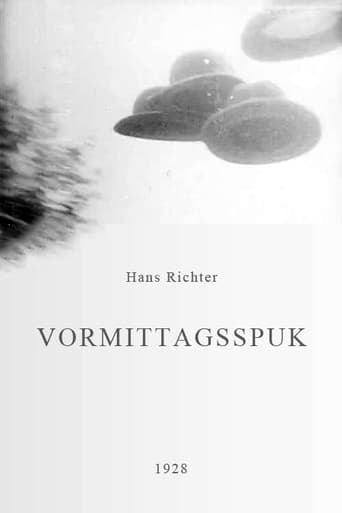
Films
1 film
About Werner Graeff
German artist and filmmaker who participated in the avant-garde cinema movement of the late 1920s. His most notable contribution to film was his appearance in Hans Richter's experimental masterpiece 'Ghosts Before Breakfast' (1928), a landmark of Dadaist cinema that explored themes of rebellion and absurdity through surreal imagery. Graeff was part of the broader European avant-garde art scene that sought to break conventional artistic boundaries through experimental film techniques. While his acting career appears to have been brief, his involvement in this influential film places him within an important artistic movement that would later influence generations of experimental filmmakers. The film itself was controversial and was banned by the Nazis in 1933 for its subversive content. Graeff's primary legacy comes from his participation in this work rather than from a sustained acting career.
The Craft
On Screen
Non-traditional performance style aligned with Dadaist principles, emphasizing physical movement and visual composition over conventional dramatic acting
Milestones
- Appeared in 'Ghosts Before Breakfast' (1928)
- Participated in German Dadaist art movement
- Contributed to experimental cinema techniques
- Associated with Bauhaus movement
- Worked in multiple artistic disciplines including sculpture and design
Best Known For
Iconic Roles
Must-See Films
Accolades
Special Recognition
- Recognized as contributor to important avant-garde film movement
Working Relationships
Worked Often With
Why They Matter
Impact on Culture
Werner Graeff's participation in 'Ghosts Before Breakfast' places him within the influential Dadaist and Bauhaus movements that revolutionized artistic expression in the early 20th century. The film itself became a landmark of experimental cinema, demonstrating how film could be used as a medium for abstract and surrealist expression rather than just narrative storytelling. This approach would later influence movements ranging from French New Wave to American experimental cinema of the 1960s.
Lasting Legacy
While Werner Graeff is not primarily remembered as an actor, his involvement in. 'Ghosts Before Breakfast' remains studied in film schools and art history courses as an example of how artistic movements like Dadaism and Constructivism found expression through cinema. The film's techniques of stop-motion animation, rapid editing, and visual abstraction were ahead of their time.
Who They Inspired
Graeff's work, along with that of his collaborators in the German avant-garde scene, influenced later experimental filmmakers including Maya Deren, Stan Brakhage, and the filmmakers of the French New Wave who admired the rebellious spirit and formal innovation of early European avant-garde cinema.
Off Screen
Werner Graeff was primarily known as a visual artist and designer rather than as an actor. His participation in film was part of his broader engagement with avant-garde artistic movements in Germany during the 1920s. He worked across multiple media including sculpture, typography, and industrial design, reflecting the interdisciplinary approach common among Bauhaus-influenced artists of his generation.
Education
Studied at Bauhaus school in Weimar, Germany during the 1920s
Did You Know?
- 'Ghosts Before Breakfast' was banned by the Nazi regime in 1933 for its subversive content
- The film features no dialogue and relies entirely on visual storytelling
- Graeff was primarily a visual artist and sculptor rather than a professional actor
- The film's original German title was 'Vormittagsspuk'
- The movie features famous scenes of hats rebelling against their wearers
- Only fragments of the original film survived World War II
- Graeff was associated with the Bauhaus school of design
- The film was restored in the 1990s using existing footage
- Hans Richter directed the film as part of his series of experimental works
- The film runs approximately 7 minutes in its restored version
Frequently Asked Questions
Who was Werner Graeff?
German artist and with credits in this catalog.' He was primarily a visual artist associated with the Bauhaus movement and German avant-garde scene of the 1920s.
What films is Werner Graeff best known for?
Titles linked here include Ghosts Before Breakfast (1928).
When was Werner Graeff born and when did he die?
Born 1901; died 1978.
What awards did Werner Graeff win?
There are no recorded awards or nominations specifically for Werner Graeff's film work. His recognition comes primarily from his association with the influential avant-garde movements of the 1920s.
What was Werner Graeff's artistic style?
Graeff's artistic approach was aligned with Dadaist and Bauhaus principles, emphasizing experimentation, abstraction, and the breaking of traditional artistic boundaries. His performance style in film was non-traditional, focusing on visual composition and movement over conventional acting.
Why is 'Ghosts Before Breakfast' considered important?
'Ghosts Before Breakfast' is considered a landmark of experimental cinema for its innovative use of stop-motion, surreal imagery, and anti-narrative approach. The film exemplifies how avant-garde artistic movements found expression through cinema and influenced future experimental filmmakers.
Was Werner Graeff primarily an actor or artist?
Werner Graeff was primarily a visual artist, sculptor, and designer associated with the Bauhaus movement. His acting was a brief contribution to experimental cinema rather than his main artistic focus.