Ghosts Before Breakfast
"Hats and bows rebel at dawn"
Keys: Space play/pause · ←/→ 10s · F fullscreen · M mute · </> speed
About this film
Hats, bows, and household objects rebel against morning routine in Hans Richter's Dada short. Vormittagsspuk remains avant-garde slapstick.
Cast & crew
More films like this
More Animation films
View all →



More from Hans Richter
View all →
More about this film
About the production
Release date1928
BudgetVery low budget typical for experimental films of the era, likely financed through artist collectives and personal funds
Box officeMinimal commercial earnings as it was primarily shown in avant-garde film clubs and art cinemas rather than commercial theaters
ProductionIndependent production, Experimental film collective
Filmed inBerlin, Germany, Studio locations in the Weimar Republic
Filmed using innovative stop-motion animation and pixilation techniques. Hans Richter collaborated with other Dadaist artists and musicians, including Paul Hindemith who composed the original score. The production involved meticulous frame-by-frame manipulation of objects, with some sequences requiring hundreds of individual takes. The film was created without a traditional script, following Richter's experimental and improvisational approach to filmmaking. Many techniques were developed on set during filming, reflecting the spontaneous nature of Dadaist art creation.
Themes
Rebellion against conformity and routineThe absurdity of modern daily lifeLiberation of objects from functional constraintsThe cyclical nature of order and chaosDadaist rejection of traditional art forms
Themes & topics
SurrealismAvant-gardeAnimationRebellionObjectsChaosExperimentalDadaStop-motionDreamsAbsurdityComedySilent filmGerman ExpressionismPixilation
Historical background
Ghosts Before Breakfast (1928) reached audiences during the silent feature period, when exhibitors mixed shorts and features on the same program.
Why this film matters
Historians retain Ghosts Before Breakfast as a record of how filmmakers in 1928 addressed popular genres.
Making of
Hans Richter approached 'Ghosts Before Breakfast' with his Dadaist philosophy, rejecting traditional narrative structures in favor of visual experimentation and playful absurdity. The production process was intensely collaborative, bringing together visual artists, musicians, and filmmakers from Berlin's avant-garde scene. Richter and his team spent weeks meticulously planning and executing the stop-motion sequences, moving objects incrementally between frames to create the illusion of autonomous movement. The filming often took place in Richter's own apartment and studio spaces, using everyday objects as props. Paul Hindemith's involvement brought musical innovation to the project, with his experimental score designed to complement rather than simply accompany the visuals. The production faced technical challenges with the limited equipment available in 1928, requiring creative solutions to achieve the desired effects. Many scenes were improvised during shooting, with Richter encouraging spontaneous discoveries and happy accidents that aligned with Dadaist principles of chance and anti-art.
What critics said
Trade coverage from 1928 treated Ghosts Before Breakfast as program material; later writers evaluate it through preservation and genre context.
Did you know?
- The original German title is 'Vormittagsspuk' which translates to 'Morning Ghost' or 'Morning Spook'
- The film was banned by the Nazi regime in the 1930s as 'degenerate art' and many copies were destroyed
- Composer Paul Hindemith not only created the original score but also appears in the film
- The bowler hat became a recurring motif throughout Hans Richter's body of work
- The film was considered lost for decades before being rediscovered and restored in the 1990s
- Richter used a technique called pixilation, animating live actors frame by frame, years before it became widely known
- The film was originally intended to be part of a larger series of experimental shorts exploring similar themes
- Many of the special effects were achieved using multiple exposure and in-camera tricks rather than post-production
- The film influenced later surrealist filmmakers including Luis Buñuel and Salvador Dalí
- It was created during the height of the Weimar Republic's cultural renaissance, a golden age for German avant-garde cinema
Awards & recognition
- Recognition in avant-garde film circles of the late 1920s
- Cited in historical surveys of experimental cinema as a pioneering work
Visual style
The cinematography of 'Ghosts Before Breakfast' broke new ground in visual experimentation, employing pioneering techniques that would influence generations of filmmakers. Richter utilized stop-motion animation with meticulous precision, moving objects incrementally between frames to create fluid motion from inanimate subjects. The film features innovative use of pixilation, animating live actors frame by frame to create surreal, jerky movements that blur the line between human and object. Multiple exposure techniques allowed ghostly images to appear and disappear, enhancing the supernatural quality suggested by the title. The black and white photography emphasizes graphic compositions and contrasts, creating visual rhythms that complement the musical score. Camera angles were deliberately unconventional, with Dutch angles and extreme perspectives contributing to the disorienting effect. The cinematography reflects Richter's background as a painter, with careful attention to visual composition and abstract form.
Innovations
The film achieved several technical breakthroughs that would become foundational in animation and experimental cinema. Richter's sophisticated use of stop-motion animation predated many similar techniques in more widely known commercial films. The seamless integration of live action with animated elements demonstrated early mastery of what would later be called special effects compositing. The film's pixilation techniques, animating people frame by frame, were particularly innovative for 1928 and influenced later experimental filmmakers. Multiple exposure photography was used to create ghostly images and impossible visual combinations. The production achieved these effects with relatively primitive equipment, making the technical accomplishments even more impressive. The film also demonstrated early understanding of editing rhythms and visual timing that would influence cinematic language development. These technical innovations were not merely for show but served the film's artistic vision of transforming reality through cinematic manipulation.
Music
Paul Hindemith composed an original score specifically for 'Ghosts Before Breakfast,' representing a significant collaboration between avant-garde music and cinema. The score incorporated unconventional instrumentation and dissonant harmonies that mirrored the surreal visual imagery, breaking away from traditional film music conventions of the era. Hindemith's approach to the soundtrack was as experimental as Richter's visual techniques, using fragmented melodies and rhythmic patterns that complemented the stop-motion animation. The music was designed to be performed live during screenings, as was standard practice for silent films, with precise timing cues to match the on-screen action. Hindemith's involvement brought serious musical credentials to the avant-garde project, helping to bridge the gap between high art and experimental cinema. Modern screenings sometimes feature contemporary composers' interpretations of Hindemith's original work or newly commissioned scores that maintain the experimental spirit of the original.
Famous quotes
Objects rebel against their servitude to human routine
In the morning, ghosts appear in the most ordinary places
Even bowler hats dream of flying
The teapot refuses to pour, the cup refuses to drink
Chaos is just order waiting to be rediscovered
Memorable scenes
- The iconic sequence where bowler hats mysteriously detach from their owners and fly through the air in perfect formation, creating a surreal aerial ballet
- The morning table scene where teapots, cups, and saucers dance and rearrange themselves in defiance of gravity and logic
- The levitation sequence where various household objects rise and float through rooms, transforming the domestic space into a realm of magical possibility
- The final return to order where objects reluctantly resume their normal positions, suggesting the eternal cycle of rebellion and conformity
What audiences thought
Initial audience reactions reflected the polarizing nature of avant-garde art - art world enthusiasts and bohemian audiences embraced the film's playful rebellion against convention, while general viewers were often perplexed or alienated by its rejection of traditional narrative. The film primarily circulated in specialized venues including avant-garde film clubs, art cinemas, and private screenings for artistic circles. Modern audiences encountering the film in educational contexts, museum exhibitions, or retrospectives tend to appreciate its historical significance and technical innovation. Its relatively short runtime and visual humor make it more accessible than many other experimental films of its era. Contemporary viewers often comment on how the film's themes of objects coming to life anticipate later developments in animation and special effects.
Film connections
Influenced by
- Dadaist art movement and philosophy
- German Expressionist cinema of the 1920s
- Abstract art and geometric compositions
- Surrealist art and literature
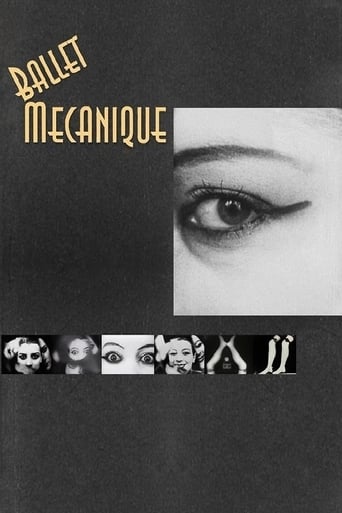
- Ballet Mécanique (1924) by Fernand Léger
- Works of Man Ray and experimental photographers
- Marcel Duchamp's readymades
- Theories of the unconscious and dreams
This film influenced
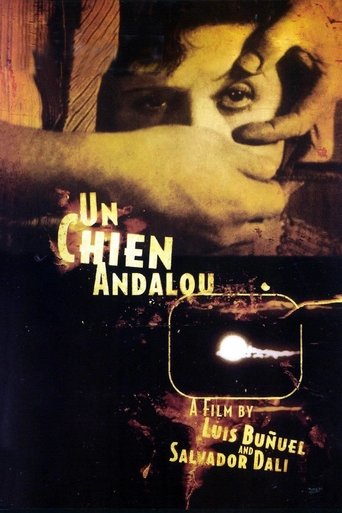
- Un Chien Andalou (1929) by Buñuel and Dalí
- Meshes of the Afternoon (1943) by Maya Deren
- Norman McLaren's stop-motion animations
- Contemporary music videos and commercials
- Modern experimental and art cinema
- Pixilation works by Jan Švankmajer
- The Brothers Quay's stop-motion films
Film restoration
The film was considered lost for many years after being labeled 'degenerate art' by the Nazi regime, with many copies destroyed during World War II. It was rediscovered in the late 1980s and underwent extensive restoration in the 1990s by film archives dedicated to preserving avant-garde cinema. The restoration process involved piecing together fragments from multiple sources and digitally repairing damage. While some original elements may remain missing, the core film survives in watchable condition. The preservation of this work represents the importance of saving experimental films for future generations. The restored version allows modern audiences to experience Richter's vision much closer to its original form. The film is now preserved in several major film archives including the Cinematheque Francaise and the Museum of Modern Art's film collection.
Where to watch
- Available on DVD collections of avant-garde cinema including 'Unseen Cinema: Early American Avant-Garde Film 1894-1941'
- Featured in the Criterion Collection's 'Avant-Garde' anthology series
- Accessible through specialized streaming services dedicated to classic and experimental films such as Kanopy
- Available for viewing at film archive websites including the National Film Preservation Foundation
- Screened occasionally at art house cinemas and museums during avant-garde film retrospectives
- Included in university film studies collections and academic databases
- Available through some public library media collections specializing in classic cinema