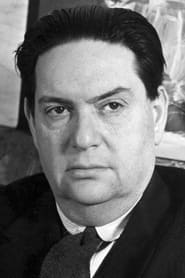
Darius Milhaud
Actor
Born: September 4, 1892 in Marseille, France Died: June 22, 1974 Active: 1912-1974 (musical career), 1924-1928 (film appearances)
Films
2 films
About Darius Milhaud
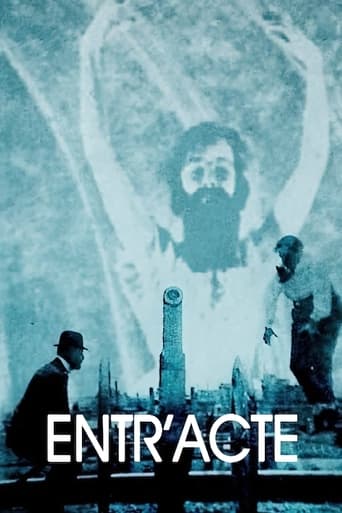
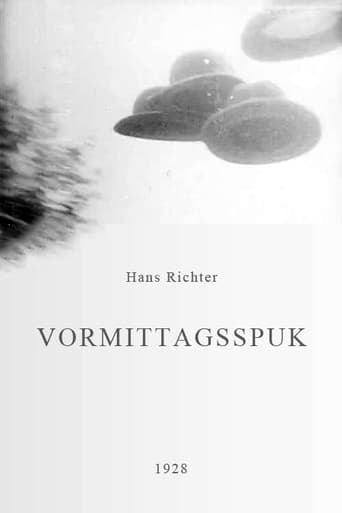
Renowned French composer and member of the influential 'Les Six' group of composers, though he made memorable appearances in avant-garde cinema during the 1920s. Born in Marseille, France, he studied at the Paris Conservatoire and became prolific composers of the 20th century, creating over 400 works including operas, ballets, symphonies, and film scores. His involvement in experimental cinema was primarily through his connections with the avant-garde artistic circles in Paris, where he collaborated with filmmakers like René Clair and Hans Richter. Milhaud's brief but notable film appearances in 'Entr'acte' (1924) and 'Ghosts Before Breakfast' (1928) reflected his multidisciplinary artistic approach and his belief in breaking boundaries between different art forms. Throughout his career, he taught at Mills College in California and later returned to France, continuing to compose until his death in 1974. His cinematic appearances, though limited, represent his broader commitment to experimental and modernist artistic expression across multiple mediums.
The Craft
On Screen
Non-professional, experimental appearances typical of avant-garde cinema where artists crossed disciplinary boundaries
Milestones
- Member of 'Les Six' composer group
- Composed over 400 musical works
- Appeared in René Clair's 'Entr'acte' (1924)
- Appeared in Hans Richter's 'Ghosts Before Breakfast' (1928)
- Taught composition at Mills College
- Received numerous international honors for his musical contributions
Best Known For
Iconic Roles
Must-See Films
Accolades
Won
- Grand Prix du Disque (multiple times)
- Grammy Award for Best Classical Album (1971, posthumously)
Nominated
- Prix de Rome (1915, 1916, 1918)
Special Recognition
- Commandeur de la Légion d'honneur
- Member of the Académie des Beaux-Arts
- Honorary doctorates from multiple universities
Working Relationships
Worked Often With
Why They Matter
Impact on Culture
Darius Milhaud's contributions to avant-garde cinema, though brief, exemplified the interdisciplinary nature of the modernist movement in 1920s Paris. His appearances in experimental films represented the breaking down of boundaries between different art forms that characterized this era. As a composer, he was instrumental in introducing polytonality and incorporating jazz elements into classical music, influencing generations of composers. His film appearances helped legitimize the practice of artists crossing disciplinary boundaries and participating in multiple art forms, a practice that became increasingly common in contemporary art.
Lasting Legacy
Milhaud's legacy in cinema is primarily as an example of the interdisciplinary artistic experimentation of the 1920s avant-garde. While his film appearances were limited, they represent an important moment in art history when musicians, visual artists, and filmmakers collaborated freely. His greater legacy lies in his musical compositions and his influence as a teacher, where he encouraged students to explore diverse musical traditions. His approach to music, characterized by its rhythmic vitality, harmonic innovation, and cosmopolitan influences, continues to inspire composers across genres.
Who They Inspired
Milhaud influenced both the classical and jazz worlds through his innovative compositions and teaching. His students at Mills College included jazz pianist Dave Brubeck and composer Burt Bacharach, demonstrating his cross-genre impact. His willingness to appear in experimental films inspired later musicians to explore multimedia and interdisciplinary art forms. His incorporation of Brazilian rhythms and jazz elements into classical compositions paved the way for later cross-cultural musical experiments.
Off Screen
Darius Milhaud married his cousin Madeleine Milhaud in 1925, who became his lifelong collaborator and wrote librettos for many of his operas. The couple had one son, Daniel. Despite suffering from severe rheumatoid arthritis that left him wheelchair-bound in later years, Milhaud continued composing prolifically. During World War II, he and his family fled Nazi-occupied France and lived in the United States, where he taught at Mills College in California. He was known for his warm personality and his ability to bridge different musical traditions, incorporating jazz, Brazilian rhythms, and folk elements into his classical compositions.
Education
Paris Conservatoire (studied with Charles-Marie Widor, Vincent d'Indy, and Charles Koechlin)
Family
- Madeleine Milhaud (1925-1974)
Did You Know?
- Was one of six composers known as 'Les Six' in 1920s Paris
- Composed music for over 40 films, though he only appeared in two
- Was severely crippled by rheumatoid arthritis but continued composing using special techniques
- Spent World War II years teaching at Mills College in California
- His opera 'Christophe Colomb' was one of the first operas to incorporate film projections
- Was a cousin and lifelong collaborator with his wife Madeleine, who wrote many librettos
- Incorporated Brazilian music into his compositions after serving as secretary to the French ambassador to Brazil
- Could compose in multiple styles simultaneously, sometimes writing different movements in different keys
- Taught composition while confined to a wheelchair in his later years
- His students included both classical composers and jazz musicians
In Their Own Words
I have always felt that a composer has a duty to write music that can be understood and appreciated by the general public.
Polytonality is not a system but a means of expression.
The more I travel, the more I realize that music is the universal language that transcends all barriers.
Frequently Asked Questions
Who was Darius Milhaud?
Renowned French composer and member of 'Les Six' who made brief but notable appearances in avant-garde films during the 1920s. While primarily known as a prolific composer who wrote over 400 works, he also appeared in experimental films like 'Entr'acte' (1924) and 'Ghosts Before Breakfast' (1928) as part of the interdisciplinary artistic movement in Paris.
What films is Darius Milhaud best known for?
Titles linked here include Entr'acte (1924), Ghosts Before Breakfast (1928).
When was Darius Milhaud born and when did he die?
Born September 4, 1892; died June 22, 1974.
What awards did Darius Milhaud win?
Milhaud received numerous honors including the Grand Prix du Disque multiple times, a posthumous Grammy Award in 1971, and was named Commandeur de la Légion d'honneur. He was also elected as a member of the Académie des Beaux-Arts and received honorary doctorates from several universities.
What was Darius Milhaud's artistic style?
Milhaud's musical style was characterized by polytonality, rhythmic vitality, and cosmopolitan influences incorporating jazz, Brazilian rhythms, and folk elements. His film appearances reflected the experimental, boundary-breaking nature of the 1920s avant-garde movement, where artists freely crossed between different artistic disciplines.