Paul Hindemith
Actor
Born: November 16, 1895 in Hanau, near Frankfurt am Main, Germany Died: December 28, 1963 Active: 1917-1963
Films
1 film
About Paul Hindemith
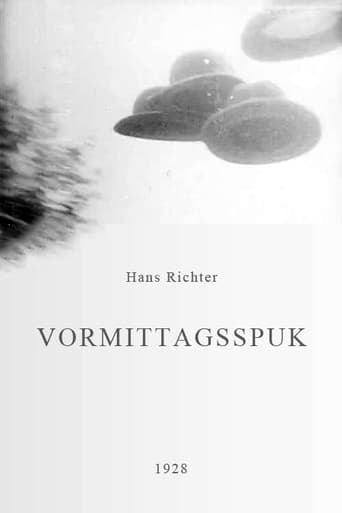
Renowned German composer, violist, violinist, teacher, and conductor who became musical figures of the 20th century. Born near Frankfurt, he showed exceptional musical talent from an early age, studying violin at the Hoch Conservatory. He served as concertmaster of the Frankfurt Opera Orchestra before being drafted into World War I, where he played in a regimental band. After the war, he founded the Amar Quartet and began gaining recognition as both a performer and composer. His career flourished during the Weimar Republic, though he faced persecution from the Nazi regime for his 'degenerate' modernist style, leading to his emigration to the United States in 1940. He taught at Yale University and later returned to Europe, continuing to compose and teach until his death. While he composed music for Hans Richter's avant-garde film 'Ghosts Before Breakfast' (1928), he was not an actor in the film but rather provided its musical score.
The Craft
Milestones
- Founded the Amar Quartet (1921)
- Composed music for 'Ghosts Before Breakfast' (1928)
- Taught at Berlin Academy of Music (1927-1938)
- Emigrated to United States (1940)
- Appointed professor at Yale University (1940-1953)
- Returned to Switzerland (1953)
- Completed his final opera 'The Long Christmas Dinner' (1963)
Best Known For
Iconic Roles
Must-See Films
Accolades
Won
- Wihuri Sibelius Prize (1955)
- Balzan Prize (1962)
- Léonie Sonning Music Prize (1963)
Nominated
- Pulitzer Prize nomination (1944)
Special Recognition
- Member of American Academy of Arts and Sciences
- Honorary doctorates from multiple universities
- Bach Prize of the City of Hamburg (1951)
Working Relationships
Worked Often With
Why They Matter
Impact on Culture
Paul Hindemith revolutionized 20th-century classical music through his innovative compositional techniques and theories, particularly his concept of 'harmonic fluctuation' and his emphasis on Gebrauchsmusik (utility music). His work on 'Ghosts Before Breakfast' represented one of the earliest significant collaborations between avant-garde cinema and serious modernist composition, helping establish the foundation for future film scoring practices. His music, initially condemned by the Nazis as degenerate, eventually gained worldwide recognition and influenced generations of composers through both his compositions and his theoretical writings.
Lasting Legacy
Hindemith's legacy endures through his extensive catalog of compositions, including operas, symphonies, chamber works, and his influential theoretical treatise 'The Craft of Musical Composition.' His teaching at Yale influenced generations of American composers, while his return to Europe helped rebuild post-war musical culture. His approach to music as both an intellectual and practical art form continues to influence music education worldwide, and his compositions remain staples of the classical repertoire.
Who They Inspired
Hindemith influenced countless composers through his theoretical writings and teaching, particularly his emphasis on counterpoint and practical musicianship. His work in film music, especially 'Ghosts Before Breakfast,' paved the way for later composers to bridge the gap between concert music and cinema. His concept of Gebrauchsmusik influenced the development of functional music in various media, from film to educational contexts.
Off Screen
Paul Hindemith married his wife, the harpist and née Schotte, in 1924. The couple had no children. His personal life was marked by his commitment to music and education, with his career taking him from Germany through Switzerland to the United States during World War II. He was known for his disciplined work ethic and dedication to his craft, maintaining a rigorous composing schedule throughout his life.
Education
Hoch Conservatory, Frankfurt (violin and composition studies with Arnold Mendelssohn and Bernhard Sekles)
Family
- Gertrud Hindemith (née Rottenberg) (1924-1963)
Did You Know?
- Despite being listed as an actor in some databases, Hindemith never appeared in 'Ghosts Before Breakfast' - he composed its music
- He was initially conscripted into the German army in WWI but served as a regimental band musician
- The Nazis declared his music 'degenerate' and banned it from performance in Germany
- He was offered the position of composition professor at the Berlin Academy of Music but declined due to political pressure
- He became a Swiss citizen in 1957 while maintaining his German heritage
- His brother Rudolf was also a composer and musician
- He could play virtually every orchestral instrument proficiently
- He wrote music for over 30 films during his career
- His opera 'Mathis der Maler' was based on the life of painter Matthias Grünewald
- He was an avid chess player and often played with his students
In Their Own Words
Music, even in situations of the greatest horror, should never be painful to the ear but should flatter and charm it, and thereby always remain music.
There are only two things worth aiming for, first to get what you want and after that to enjoy it. Only the wisest of mankind achieve the second.
The craft of music is the ability to say something new with old notes.
Frequently Asked Questions
Who was Paul Hindemith?
Renowned German composer, violist, violinist, and music educator who became. He composed music for the avant-garde film 'Ghosts Before Breakfast' but was not an actor in the film.
What was Paul Hindemith's connection to 'Ghosts Before Breakfast'?
Paul Hindemith composed the groundbreaking musical score for Hans Richter's 1928 avant-garde film 'Ghosts Before Breakfast.' He did not appear as an actor in the film despite some database listings that may incorrectly list him as such.
When was Paul Hindemith born and when did he die?
Born November 16, 1895; died December 28, 1963.
What awards did Paul Hindemith win?
Hindemith received numerous prestigious awards including the Wihuri Sibelius Prize (1955), the Balzan Prize (1962), and the Léonie Sonning Music Prize (1963), as well as honorary doctorates from several universities.
Why did Paul Hindemith leave Germany?
Hindemith emigrated from Germany in 1940 because the Nazi regime condemned his music as 'degenerate' and banned it from performance. He faced increasing political pressure and persecution for his modernist compositional style.
What is Paul Hindemith's musical legacy?
Hindemith's legacy includes his extensive catalog of compositions, his influential theoretical writings on music composition, and his impact as an educator at Yale University. He pioneered concepts like Gebrauchsmusik and developed new harmonic theories that influenced generations of composers.