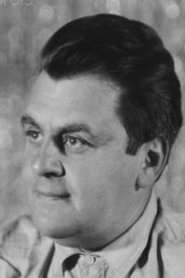
Hans Behrendt
Actor
Born: September 27, 1889 in Berlin, Germany Died: August 1942 Active: 1915-1939
Films
1 film
About Hans Behrendt
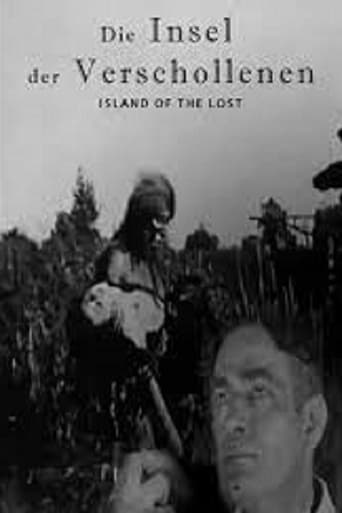
Prominent German actor, director, and screenwriter during the silent era and early sound period of German cinema. Born in Berlin in 1889, he began his career in the film industry during the 1910s, initially working as an actor before transitioning into directing and screenwriting. Behrendt appeared in numerous silent films throughout the 1920s, including his notable role in 'The Island of the Lost' (1921), which showcased his versatility as a performer. As a director, he helmed several successful productions that reflected the artistic sophistication of Weimar-era German cinema. His career flourished during the golden age of German film, but came to an abrupt halt with the rise of the Nazi regime in 1933. Being Jewish, Behrendt was forced to flee Germany and eventually sought refuge in the Netherlands, where he continued working in the film industry briefly. Tragically, he was captured by Nazi forces after the German occupation of the Netherlands and was deported to Auschwitz concentration camp, where he was murdered in August 1942, becoming one of many talented Jewish artists lost to the Holocaust.
The Craft
On Screen
Behrendt was known for his naturalistic acting style that helped bridge the theatrical traditions of early cinema with the more subtle performances emerging in the 1920s. His performances were characterized by expressive yet controlled gestures, allowing him to convey complex emotions without relying on the exaggerated mannerisms common in earlier silent films.
Milestones
- Acting debut in silent films (1915)
- Starred in 'The Island of the Lost' (1921)
- Transitioned to directing in the 1920s
- Directed successful German films during Weimar period
- Fled Nazi Germany in 1933
- Continued film work in exile in the Netherlands
Best Known For
Iconic Roles
Must-See Films
Accolades
Special Recognition
- Remembered as a victim of Nazi persecution in Holocaust memorials
- Posthumously recognized in German film history for contributions to Weimar cinema
Working Relationships
Worked Often With
Studios
Why They Matter
Impact on Culture
Hans Behrendt represents the tragic loss of Jewish artistic talent during the Holocaust, embodying the vibrant cultural contributions of German-Jewish artists to Weimar cinema. His work as both actor and director during the 1920s and early 1930s contributed to the golden age of German film, which heavily influenced international cinema, particularly Hollywood. His story serves as a reminder of the cultural destruction wrought by the Nazi regime and the systematic elimination of Jewish voices from European cultural life. The films he created and appeared in are important artifacts of the artistic freedom and creativity that characterized the Weimar Republic's cultural renaissance.
Lasting Legacy
Hans Behrendt's legacy is twofold: his artistic contributions to German cinema during its most creative period, and his status as a victim of Nazi persecution. His surviving films continue to be studied by film historians as examples of Weimar-era cinematic excellence. His tragic fate has made him a symbol of the countless Jewish artists whose careers and lives were cut short by the Holocaust. In contemporary German film culture, he is remembered in exhibitions and memorial projects dedicated to preserving the memory of Jewish filmmakers who were persecuted and murdered by the Nazis.
Who They Inspired
While his career was cut short before he could fully realize his potential as a director, Behrendt's work during the Weimar period contributed to the development of German cinema's sophisticated visual language and narrative techniques. His films, along with those of his contemporaries, influenced the development of film noir and psychological thriller genres in international cinema. His story has influenced subsequent generations of filmmakers and scholars who study the impact of the Holocaust on European cultural heritage.
Off Screen
Hans Behrendt was born into a Jewish family in Berlin and grew up during the vibrant cultural period of the German Empire. His personal life was deeply affected by the political changes in Germany, particularly the rise of Nazism which forced him into exile. He was married and had a family, though specific details about his spouse and children are not well-documented in available sources. His final years were marked by persecution and hiding from Nazi authorities until his capture and deportation.
Education
Limited information available about his formal education, but he likely received training in theater and dramatic arts common for actors of his generation in Germany
Family
- Lissy Arna (1926-1934)
Did You Know?
- Born in Berlin during the reign of Kaiser Wilhelm II
- Began his film career during World War I
- Worked during the same period as famous German directors like Fritz Lang and F.W. Murnau
- His acting active years covered the transition from silent films to early sound cinema
- Married actress Lissy Arna, a prominent German film star of the era
- Was part of the vibrant Jewish artistic community in Weimar Berlin
- Fled Germany after the Nazi party came to power in 1933
- Found temporary refuge in the Netherlands before the German invasion
- His exact date of death in Auschwitz is not precisely recorded
- Many of his films may have been lost or destroyed during World War II
In Their Own Words
No documented famous quotes are available from Hans Behrendt in historical records
Frequently Asked Questions
Who was Hans Behrendt?
German actor, on YTB.my. He was known for his work in Weimar-era films and was a victim of the Holocaust, murdered at Auschwitz in 1942.
What films is Hans Behrendt best known for?
Titles linked here include The Island of the Lost (1921), Die andere Seite (1931).
When was Hans Behrendt born and when did he die?
Born September 27, 1889; died August 1942.
What awards did Hans Behrendt win?
There are no recorded major awards or nominations for Hans Behrendt, which was common for many film artists of his era. His recognition has come primarily through posthumous acknowledgment of his contributions to German cinema and his status as a Holocaust victim.
What was Hans Behrendt's acting and directing style?
As an actor, Behrendt employed a naturalistic style that moved away from theatrical exaggeration toward more subtle, psychologically nuanced performances. As a director, he combined Expressionist influences with realistic storytelling, focusing on social themes and character development.
How did the Nazi regime affect Hans Behrendt's career?
The Nazi regime ended Behrendt's career in Germany in 1933 due to his Jewish heritage. He was forced to flee to the Netherlands where he continued working briefly, but was eventually captured and murdered in Auschwitz, representing the tragic loss of Jewish artistic talent during the Holocaust.