The Island of the Lost
"Unauthorized Moreau: hybrids on a lost island"
Keys: Space play/pause · ←/→ 10s · F fullscreen · M mute · </> speed
About this film
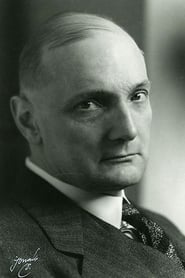
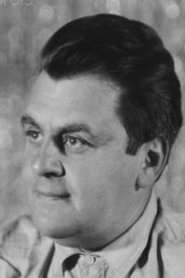
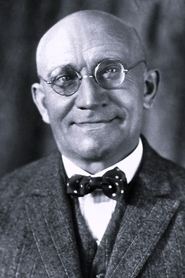
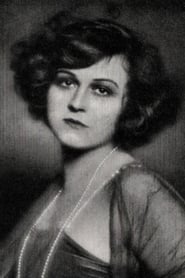
Shipwreck survivors reach a remote island where human-animal hybrids and a controlling experimenter await in Urban Gad's unauthorized German silent riff on Wells's Doctor Moreau. Wells reportedly never knew of this loose adaptation, which blends romance, comedy, and grotesque science-fiction imagery.
Cast & crew
More films like this
More Science Fiction films
View all →

More from Urban Gad
View all →

More about this film
About the production
Release date1921-09-23
ProductionGad-Film
Filmed inBerlin, Germany
This unauthorized adaptation of H.G. Wells' novel was made without the author's knowledge or consent, which was common practice in the early German film industry. The production utilized elaborate makeup and prosthetics to create the human-animal hybrid characters, which were quite innovative for the time. The film was shot during the German Expressionist period, though it incorporates more comedic elements than typical expressionist works of the era.
Themes
Scientific hubrisThe boundaries between speciesIsolation and madnessThe dangers of unchecked scientific experimentationNature versus science
Themes & topics
mad scientisthuman-animal hybridshipwreckisolated islandunauthorized adaptationvivisectionscientific experimentssurvivalhorror comedyromance
Historical background
Production in 1921 placed The Island of the Lost among Jazz Age releases competing for attention in a rapidly expanding market. It is a loose unauthorized adaptation of the 1896 novel The Island of Doctor Moreau by H. G.
Why this film matters
Retrospective programs include The Island of the Lost when mapping Jazz Age output across genres and national cinemas. The Island of the Lost (German: Die Insel der Verschollenen) is a 1921 German silent science fiction film directed by Urban Gad and starring Alf Blütecher, Hanni Weisse and Erich Kaiser-Titz.
Making of
The production of 'The Island of the Lost' took place during a particularly creative period in German cinema, following World War I. Director Urban Gad, who had previously worked extensively in Denmark, brought his distinctive visual style to this German production. The makeup department faced significant challenges in creating believable human-animal hybrids using the limited prosthetic technology available in 1921. The film's blend of horror, comedy, and romance reflects the experimental nature of Weimar cinema, where genre boundaries were frequently pushed. The cast included both established German actors and international performers, reflecting the cosmopolitan nature of Berlin's film industry at the time.
What critics said
Festival revivals have renewed discussion of The Island of the Lost among Jazz Age specialists.
Did you know?
- This is one of the earliest unauthorized film adaptations of an H.G. Wells novel, made without the author's knowledge
- The film was considered lost for over 90 years until a print was discovered at the Bundesarchiv in Berlin
- It wasn't screened in the United States for the first time until 2014 at a Monster Bash convention
- Despite being based on a horror novel, the film incorporates significant comedy and romance elements
- The human-animal hybrid makeup effects were considered quite advanced for 1921
- Director Urban Gad was a prominent figure in early German cinema, known for his work with actress Asta Nielsen
- The film's German title 'Die Insel der Verschollenen' translates to 'The Island of the Missing'
- H.G. Wells was reportedly unaware of this adaptation's existence during his lifetime
- The surviving print shows some damage but is remarkably complete for a film of this age
- The film was released during the Weimar Republic period, a golden age for German cinema
Visual style
The cinematography reflects the influence of German Expressionism, though with less stylization than contemporary works like 'The Cabinet of Dr. Caligari'. The film uses chiaroscuro lighting to create atmosphere, particularly in scenes featuring the doctor's laboratory and the hybrid creatures. Camera work includes some dynamic movements that were innovative for the period, though the film primarily relies on static shots typical of early cinema. The visual design of the island sets and the doctor's laboratory creates an appropriately mysterious and isolated atmosphere.
Innovations
The film's most significant technical achievement lies in its makeup and prosthetic effects for the human-animal hybrid characters. Using the limited materials available in 1921, the makeup department created memorable and unsettling creature designs that still impress modern viewers. The film also utilized some early special effects techniques to create the impression of the doctor's scientific experiments and the transformation of his subjects. The production design of the island setting and laboratory demonstrates the growing sophistication of German film set construction during this period.
Music
As a silent film, 'The Island of the Lost' would have been accompanied by live musical performance during its original theatrical run. The specific compositions used are not documented, but typical German cinema of the period would have featured orchestral accompaniment ranging from classical pieces to original compositions. Modern screenings have used newly composed scores or period-appropriate classical music to accompany the film.
Famous quotes
(Silent film - no recorded dialogue)
Memorable scenes
- The reveal of the human-animal hybrids in the doctor's laboratory, featuring elaborate makeup effects that were groundbreaking for 1921
- The shipwreck sequence that strands the survivors on the mysterious island
- The climactic rebellion of the hybrid creatures against their creator
- The romantic scenes between the survivor and the doctor's daughter, providing tonal contrast to the horror elements
What audiences thought
Original audience reception in 1921 is not well documented, but the film's survival suggests it found some success in its initial German release. Modern audiences who have seen the film since its rediscovery have been generally intrigued by its historical significance and unusual approach to the source material. The 2014 US premiere at Monster Bash was met with curiosity and appreciation from genre film enthusiasts, though many noted the film's departure from the horror tone of Wells' original novel. The film's rarity and status as a 'lost' film that was found has generated considerable interest among classic cinema aficionados.
Film connections
Influenced by
- The Island of Doctor Moreau by H.G. Wells
- German Expressionist cinema
- Frankenstein stories
- Contemporary mad scientist films
This film influenced
- Island of Lost Souls (1932)
- The Island of Dr. Moreau adaptations
- Various mad scientist films of the 1920s and 1930s
Film restoration
The film was considered lost for over nine decades until a print was discovered at the Bundesarchiv in Berlin, Germany. The surviving print, while showing some age-related damage, is remarkably complete. The film has been preserved in the Bundesarchiv's collection and has been made available for screenings and academic study. Its rediscovery in the 21st century has made it accessible to modern audiences and scholars for the first time since its original release.
Where to watch
- The film is primarily available through specialized screenings at film archives and classic film festivals
- Academic institutions with access to the Bundesarchiv collection may be able to arrange viewings
- Some classic film conventions and festivals occasionally screen the film, particularly those focusing on horror or science fiction cinema
- As of 2024, there is no widely available commercial release on home video or streaming platforms