
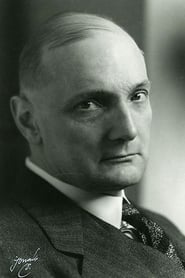
Urban Gad
Director
Born: February 12, 1879 in Copenhagen, Denmark Died: December 26, 1947 Active: 1910-1927 Birth Name: Peter Urban Bruun Gad
Films
8 films

About Urban Gad
Danish film director and screenwriter who in the development of early European cinema during the silent era. Born into a theatrical family in Denmark, he initially worked as a journalist and theater director before transitioning to film. His collaboration with actress Asta Nielsen, whom he married in 1910, revolutionized screen acting and established them as one of cinema's first international star couples. Gad directed over 40 films between 1910 and 1927, many featuring Nielsen, and was instrumental in developing psychological depth and naturalistic acting in early cinema. After achieving success in Denmark, the couple moved to Germany in 1911 where they became major figures in the German film industry. Gad's films were known for their sophisticated narratives, psychological complexity, and technical innovation. His career declined with the advent of sound films, and he retired from directing in the late 1920s, returning to Denmark where he lived until his death in 1947.
The Craft
Behind the Camera
Urban Gad was known for his sophisticated narrative techniques and psychological depth in storytelling. He employed naturalistic acting styles that broke away from theatrical traditions, emphasizing subtle facial expressions and body language. His direction often explored complex psychological themes and moral ambiguities, pushing the boundaries of what was considered acceptable in early cinema. Gad was technically innovative, using camera movement and lighting to create mood and enhance narrative impact.
Milestones
- Directed the controversial 'The Abyss' (1910) which featured one of cinema's first erotic dance scenes
- Formed successful creative partnership with Asta Nielsen
- Pioneered psychological realism in silent film
- Helped establish the German film industry's international reputation
- Directed over 40 films during the silent era
- Transitioned successfully from Danish to German cinema
Best Known For
Must-See Films
Accolades
Special Recognition
- Recognized as a pioneer of Danish cinema
- Honored in Danish Film Institute's archives
- Retrospectives at international film festivals
Working Relationships
Worked Often With
Studios
Why They Matter
Impact on Culture
Urban Gad significantly influenced the development of narrative cinema in Europe, particularly in Denmark and Germany. His films helped establish the psychological drama as a legitimate cinematic genre, moving beyond simple melodramas. Through his work with Asta Nielsen, he helped create the concept of the film star and international celebrity culture. Gad's technical innovations and sophisticated storytelling techniques influenced an entire generation of European directors. His films were among the first to achieve international distribution, helping establish Danish and German cinema as major forces in the early film industry.
Lasting Legacy
Urban Gad's legacy lies in his contributions to early narrative cinema and his role in establishing psychological realism in film. Though largely forgotten by mainstream audiences today, film historians recognize him as a crucial figure in the transition from theatrical to cinematic storytelling. His collaboration with Asta Nielsen created a template for the director-star partnership that would become common in Hollywood. Gad's films are studied in film schools for their innovative techniques and their role in developing cinematic language. The Danish Film Institute maintains an archive of his work, recognizing his importance in national cinema history.
Who They Inspired
Gad's naturalistic directing style influenced the development of psychological realism in European cinema. His work with Asta Nielsen established new standards for screen acting that moved away from theatrical gestures toward more subtle, realistic performances. His narrative techniques, including complex character development and moral ambiguity, influenced directors like Carl Theodor Dreyer and Fritz Lang. Gad's success in international markets demonstrated the commercial viability of European art cinema, paving the way for later art film movements.
Off Screen
Urban Gad came from a prominent Danish theatrical family; his father was a theater manager and his mother was an actress. He married actress Asta Nielsen in 1910, creating one of cinema's first power couples. Their marriage ended in divorce in 1918, though they continued to work together professionally. Gad later married Esther Nielsen, a Danish actress, in 1922. He spent his later years in Denmark, largely withdrawn from the film industry, and died relatively forgotten despite his significant contributions to early cinema.
Education
Educated in Denmark; studied literature and theater; came from theatrical family background
Family
- Asta Nielsen (1910-1918)
- Esther Nielsen (1922-1947)
Did You Know?
- The Abyss (1910) featured one of cinema's first erotic dance scenes, causing controversy and international attention
- Gad and Asta Nielsen were one of the first international film star couples
- He directed Nielsen in 28 of her early films
- His films were banned in several countries for their mature themes
- Gad was one of the first directors to use close-ups for psychological effect
- He wrote most of his own screenplays
- His film 'The Mysterious X' (1914) was an early spy thriller
- Gad helped establish the German film industry's reputation for quality productions
- He was fluent in Danish, German, and English
- His films were among the first to achieve simultaneous releases in multiple countries
In Their Own Words
The camera must capture not just what the actor does, but what they think and feel
Cinema is not theater with a camera - it is its own art form with its own language
The truth of emotion is more important than the perfection of technique
We must make films that speak to the soul, not just to the eyes
Frequently Asked Questions
Who was Urban Gad?
Danish on YTB.my. He directed over 40 films between 1910 and 1927 and was instrumental in developing naturalistic acting and sophisticated narrative techniques in early cinema.
What films is Urban Gad best known for?
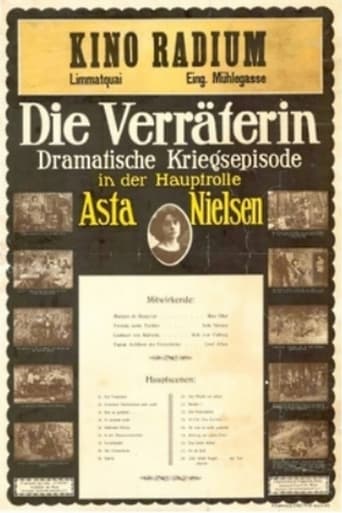
Titles linked here include The Abyss (1910), The Traitress (1911).
When was Urban Gad born and when did he die?
Born February 12, 1879; died December 26, 1947.
What awards did Urban Gad win?
While Urban Gad did not receive major formal awards during his lifetime (as many film awards were not established during his active period), he is recognized today as a pioneer of Danish and German cinema, with his work preserved and studied by film institutes and historians.
What was Urban Gad's directing style?
Gad's directing style emphasized psychological realism, naturalistic acting, and sophisticated narrative techniques. He was known for using close-ups for emotional effect, exploring complex psychological themes, and pushing the boundaries of acceptable content in early cinema.