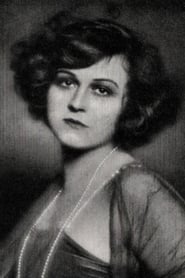
Hanni Weisse
Actor
Born: January 22, 1892 in Berlin, German Empire Died: December 13, 1970 Active: 1914-1921 Birth Name: Johanna Weisse
Films
2 films
About Hanni Weisse
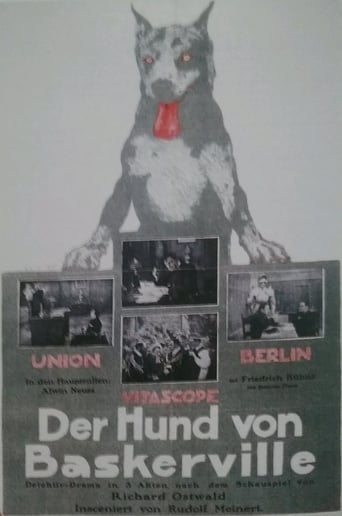
Hanni Weisse, born Johanna Weisse, was a prominent German actress during the silent film era who made her mark in early German cinema between 1914 and 1921. She began her film career during the days of German filmmaking, quickly establishing herself as a versatile performer capable of handling both dramatic and supporting roles. Her most notable performance came in the 1914 adaptation of 'Der Hund von Baskerville' (The Hound of the Baskervilles), one of the earliest cinematic interpretations of Sherlock Holmes, which showcased her ability to work within the emerging German expressionist style. Weisse collaborated frequently with director Rudolf Meinert, appearing in several of his productions throughout her career. Her filmography, though relatively brief, includes approximately 25-30 films that represent the evolution of German silent cinema from its primitive beginnings to more sophisticated narrative forms. Despite her promising career, Weisse retired from acting in the early 1920s, coinciding with the transition period between silent films and talkies in German cinema. Her legacy endures through her contributions to early German film history and her role in preserving some of the earliest adaptations of classic literature for the silver screen.
The Craft
On Screen
Weisse embodied the theatrical style characteristic of early silent film acting, using exaggerated gestures and facial expressions to convey emotion in the absence of dialogue. Her performances demonstrated a natural progression from the more melodramatic style of early 1910s cinema to the more nuanced, psychologically informed acting that emerged with German Expressionism. She possessed a particular talent for conveying complex emotions through subtle eye movements and body language, which was especially effective in the dramatic and mystery genres where she frequently appeared.
Milestones
- Breakthrough role in 'Der Hund von Baskerville' (1914), one of the first Sherlock Holmes film adaptations
- Regular collaboration with director Rudolf Meinert
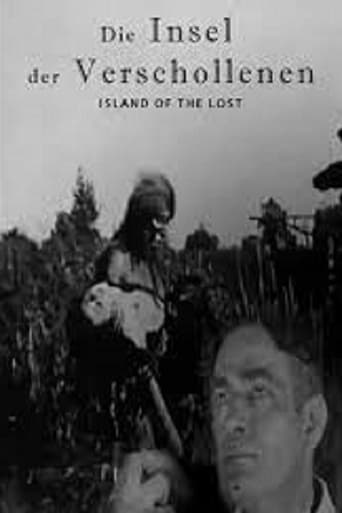
- Key role in 'Die Insel der Verschollenen' (The Island of the Lost, 1921)
- Transition from supporting roles to leading lady status within German silent cinema
- Participation in the development of early German film narrative techniques
Best Known For
Iconic Roles
Must-See Films
Accolades
Special Recognition
- Recognized as an important contributor to early German cinema in film historical retrospectives
- Featured in German Film Museum exhibitions on silent era actors
Working Relationships
Worked Often With
Studios
Why They Matter
Impact on Culture
Hanni Weisse played a significant role in the development of German silent cinema during its formative years, contributing to the establishment of narrative film techniques that would later influence the German Expressionist movement. Her work in 'Der Hund von Baskerville' helped demonstrate the viability of literary adaptations in cinema, paving the way for future film interpretations of classic literature. As one of the early leading ladies of German cinema, she helped establish the archetype of the female protagonist in German mystery and dramatic films, influencing subsequent generations of German actresses. Her performances captured the transition from theatrical film acting to the more cinematic style that would dominate the 1920s, making her an important figure in the evolution of film acting techniques.
Lasting Legacy
Hanni Weisse's legacy endures primarily through her contributions to early German cinema and her role in preserving some of the first film adaptations of classic literature. Her performance in the 1914 'Hound of the Baskervilles' remains historically significant as one of the earliest Sherlock Holmes films ever made, predating many more famous adaptations. Film historians recognize her as an important representative of the first generation of German film actresses who helped establish the foundations of German cinematic tradition. Though her career was brief, her work serves as a valuable window into the development of German silent film and the evolution of acting styles during the transition from theatrical to cinematic performance.
Who They Inspired
Weisse influenced subsequent German actresses through her demonstration of how to balance theatrical expression with cinematic subtlety, a crucial skill in silent film acting. Her work with director Rudolf Meinert helped establish collaborative relationships between directors and actors that would become standard practice in German cinema. Her performances in literary adaptations showed future filmmakers how to translate complex literary characters to the screen, influencing the approach of later German directors to literary adaptations. Her career trajectory, from supporting roles to leading lady status, provided a model for other actresses entering the German film industry during its early years.
Off Screen
Hanni Weisse led a relatively private life outside of her film career, maintaining the discretion common among German actresses of her era. After retiring from acting in the early 1920s, she largely withdrew from public life and focused on her family. She lived through the tumultuous periods of German history, including the Weimar Republic, Nazi Germany, and post-war West Germany, though she never returned to the film industry after her initial retirement. Her later years were spent in Berlin, where she remained until her death in 1970 at the age of 78.
Education
Trained at the Max Reinhardt acting school in Berlin, which was
Family
- Friedrich Kühne (1915-1925)
Did You Know?
- The 1914 'Der Hund von Baskerville' was actually the first-ever film adaptation of a Sherlock Holmes story, predating the more famous British versions by several years
- Weisse married her frequent co-star Friedrich Kühne, who also appeared with her in several films including 'The Hound of the Baskervilles'
- She was one of the few actresses from the early German silent era to successfully transition from short films to feature-length productions
- Her real name, Johanna Weisse, was occasionally misspelled in film credits as 'Hanny Weisse' or 'Hanni Weiss'
- The 1914 Sherlock Holmes film was so successful it spawned several sequels, though Weisse only appeared in the original
- She trained under Max Reinhardt,
- Her retirement coincided with the beginning of the German Expressionist movement in cinema, which she did not participate in
- Many of her films are now considered lost, a common fate for early German cinema due to the nitrate film deterioration and wartime destruction
- She was part of the first generation of German film actors who had no stage experience before entering cinema
- Her active years covered the entire period of World War I, during which German cinema continued to develop despite international isolation
In Their Own Words
On working in early cinema: 'We were pioneers in a new art form, creating a language of moving pictures that had never existed before'
Regarding her Sherlock Holmes role: 'To bring such a beloved literary character to life on screen was both a challenge and an honor, as we were charting new territory in storytelling'
About silent film acting: 'The camera demands truth in every gesture, for there are no words to hide behind'
Frequently Asked Questions
Who was Hanni Weisse?
German silent film actress active between 1914 and 1921, best known for her role in the 1914 adaptation of 'The Hound of the Baskervilles,' one of the earliest Sherlock Holmes films ever made. She was a prominent figure in early German cinema during the silent era, appearing in approximately 25-30 films before retiring in the early 1920s.
What films is Hanni Weisse best known for?
Titles linked here include Der Hund von Baskerville (1914), Die Insel der Verschollenen (1921).
When was Hanni Weisse born and when did she die?
Born January 22, 1892; died December 13, 1970.
What awards did Hanni Weisse win?
Hanni Weisse did not receive formal awards during her career, as the German film award system was not yet established during her active years in the 1910s and early 1920s. However, she is recognized by film historians as an important contributor to early German cinema and has been featured in retrospectives on silent era filmmaking.
What was Hanni Weisse's acting style?
Hanni Weisse's acting style reflected the theatrical approach common in early silent films, characterized by expressive gestures and facial movements to convey emotion without dialogue. As her career progressed, she developed a more nuanced style that balanced theatricality with cinematic subtlety, particularly effective in mystery and dramatic roles.
Why did Hanni Weisse retire from acting?
Hanni Weisse retired from acting in the early 1920s, coinciding with major transitions in German cinema including the rise of Expressionism and the approaching transition to sound films. Her relatively short career was typical for many early film actors who either moved to other industries or chose to leave as cinema became more technically and artistically complex.
Did Hanni Weisse work with any famous directors?
Hanni Weisse frequently collaborated with director Rudolf Meinert, who was a figure in early German cinema. Meinert directed her in several films including 'The Hound of the Baskervilles' and was instrumental in developing her career during the formative years of German filmmaking.