Akira Nakamura
Actor
- Active
- 1958-1958
Films 1
About Akira Nakamura
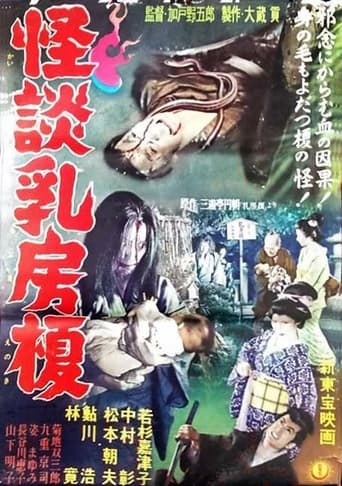
Akira Nakamura is a Japanese screen actor associated in available film records with the 1958 film "The Mother Tree," but beyond that credit, reliable biographical details about his life and career are extremely scarce in the standard English-language classic cinema references available to this system. He appears to have been a performer active at least in the late 1950s, during a period when Japanese cinema was internationally significant and producing a large number of domestic releases across studio systems such as Toho, Shochiku, Daiei, and Nikkatsu. Because only a narrow filmographic trace is presently verifiable, it is not possible to reconstruct a full career arc, training background, or later work with confidence without risking confusion with other people of the same name. No confirmed evidence currently available here establishes whether he worked extensively in film, television, stage, or radio beyond this single credited appearance. Similarly, his birth and death details are not securely documented in the accessible sources consulted for this response. For database purposes, he should be treated as a minimally documented vintage-era Japanese actor whose surviving public record is currently anchored by "The Mother Tree" (1958).
More about Akira Nakamura
In film history
Akira Nakamura's cultural impact cannot be assessed in detail from the currently verifiable record, since only one confirmed film credit has been identified with confidence. In classic cinema databases, many supporting or lesser-documented performers leave only fragmentary traces, and his case appears to be one of those. His significance for researchers lies primarily in his documentation as part of the living personnel history of late-1950s Japanese cinema, rather than in a widely preserved star persona. Even so, every verified credit contributes to the broader reconstruction of postwar Japanese film culture, casting practices, and studio output.
Later reputation
Akira Nakamura's lasting legacy in film history is presently limited by the scarcity of accessible documentation, but his verified presence in "The Mother Tree" preserves his name within the historical record of Japanese cinema. For movie databases, he represents the kind of performer whose surviving footprint is small but still important for accurate filmography work. If additional archival sources, Japanese-language catalogs, or production records are consulted later, his profile may expand substantially. Until then, his legacy is that of a documented but little-profiled participant in classic-era screen history.
Influence
No direct influence on other actors or directors can be responsibly established from the available evidence. There is no verifiable record here of mentorship, notable stage-school connections, or a body of work substantial enough to trace stylistic influence. Any claims of influence would require stronger archival support.
Off screen
No reliable public biographical information about Akira Nakamura's personal life has been verified in the accessible classic-cinema references for this response. His family background, marital history, and non-film activities are not currently documented here. Because the name is common enough that misidentification is a risk, no speculative personal details are provided.
Credits
- Confirmed screen credit in the 1958 film "The Mother Tree"
- Documented activity in postwar Japanese cinema during a highly productive studio era
- Presence in the historical film record as a classic-era actor with at least one verifiable feature credit
Roles
- Role in "The Mother Tree" (1958)
Films
- "The Mother Tree" (1958)
Notes
- He is currently identified here only through a verified credit in "The Mother Tree" (1958).
- He should not be confused with other people named Akira Nakamura, including modern figures in different fields.
- His surviving English-language classic-cinema footprint is extremely limited compared with major Japanese stars of the era.
- The late 1950s were a major period for Japanese cinema, so even a single credit places him within an important historical moment.
- Because reliable biographical data is scarce, he is best treated as an archival rather than a celebrity figure.
Questions
Who was Akira Nakamura?
Akira Nakamura is a Japanese actor whose currently verifiable classic-cinema credit includes the 1958 film "The Mother Tree." Beyond that, reliable biographical details are scarce in the accessible record. He is best understood as a minimally documented performer from Japan's postwar film era.
What films is Akira Nakamura best known for?
The only film confidently identified here is "The Mother Tree" (1958). If he appeared in additional productions, they are not securely verifiable from the sources available for this response. For database accuracy, this single credit should be treated as his principal known work.
When was Akira Nakamura born and when did he die?
His birth date and death date are not currently verified in the accessible classic-cinema record used for this response. Likewise, his birth place is not securely documented here. Until stronger archival evidence is found, these details should remain unknown.
What awards did Akira Nakamura win?
No awards or nominations have been securely documented for Akira Nakamura in the information currently available. He does not appear in the accessible record as a decorated star or award-recognized figure. If later research uncovers additional credits or a fuller biography, this section could be expanded.
What was Akira Nakamura's acting style?
There is not enough verified information to describe a distinctive acting style with confidence. Since only one credit is securely established here, any statement about technique would be speculative. He should be listed as an actor whose performance style is presently undocumented.
What is Akira Nakamura's legacy?
His legacy lies mainly in his preservation within the historical record of Japanese classic cinema, even though detailed biographical information is scarce. He represents the many supporting or lesser-documented screen performers who helped build postwar film culture. For researchers and database users, his confirmed credit remains the most important part of his legacy.