Bonnie Poe
Actor
Born: October 15, 1912 in New York City, New York, USA Died: October 16, 1993 Active: 1933-1934 Birth Name: Bonnie Pauline Poe
Films
3 films
About Bonnie Poe
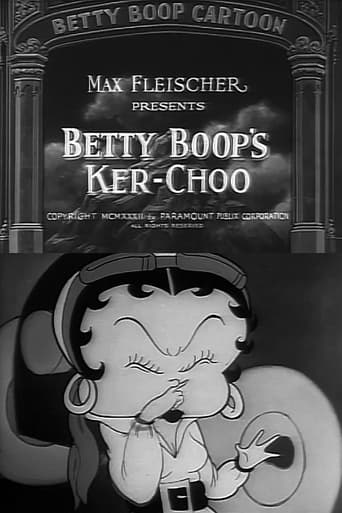
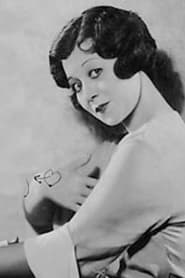
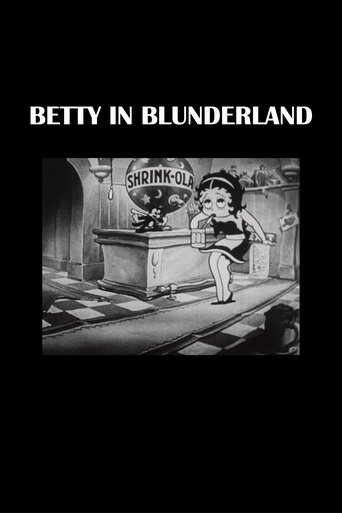
American voice actress and singer who gained prominence in the early 1930s as one of the original voices of the cartoon character Betty Boop. Working primarily for Fleischer Studios, Poe contributed to the character's development during a crucial period when Betty Boop was transitioning from a dog-like character to the human flapper she would become famous for. Her vocal performances helped establish Betty Boop's distinctive high-pitched, childlike yet seductive voice that would become synonymous with the character. Poe's tenure as Betty Boop's voice was brief but significant, spanning from 1933 to 1934, during which she voiced several notable shorts including 'Betty Boop's Ker-Choo' and 'Betty in Blunderland'. Beyond her work with Betty Boop, Poe was also a talented singer and performer who appeared in various vaudeville and radio productions during the early sound era. Her contributions to animation history, though often overlooked, were instrumental in shaping one of animation's most enduring female characters during the Golden Age of Hollywood animation.
The Craft
On Screen
Poe's vocal style for Betty Boop was characterized by a distinctive high-pitched, girlish voice with a slight New York accent that perfectly captured the character's flapper-era innocence and nascent sexuality. Her voice work demonstrated remarkable versatility, able to convey both childlike wonder and sophisticated adult appeal within the same performance. Poe's singing voice was particularly notable for its clarity and ability to handle the jazz-inflected musical numbers that were central to early Betty Boop cartoons.
Milestones
- Original voice actress for Betty Boop in early 1930s cartoons
- Contributed to Fleischer Studios during the Golden Age of Animation
- Performed in 'Betty Boop's Ker-Choo' (1933)
- Voiced Betty in 'Betty in Blunderland' (1934)
- Worked during the transition period of Betty Boop's character development
Best Known For
Iconic Roles
Must-See Films
Accolades
Special Recognition
- Recognized as one of the voice actresses in animation history
- Contributor to the Betty Boop character's legacy in animation
Working Relationships
Worked Often With
Studios
Why They Matter
Impact on Culture
Bonnie Poe's contribution to the Betty Boop character helped establish one of animation's first and most enduring female icons during a pivotal moment in animation history. Her voice work, along with that of other early Betty Boop actresses, created a template for female character voice acting in animation that would influence generations of voice performers. The character she helped bring to life represented a significant cultural milestone - one of the first animated female characters to embody independence, sexuality, and modern womanhood, reflecting the changing social attitudes of the 1930s. Betty Boop's enduring popularity as a cultural symbol of flapper-era freedom and female empowerment owes much to the vocal foundation established by Poe and her contemporaries.
Lasting Legacy
Bonnie Poe's legacy lives on through the continued popularity of Betty Boop as a cultural icon. Though her tenure as the character's voice was brief, her contributions were instrumental during Betty Boop's formative years, helping establish the vocal characteristics that would define the character for decades. As one of the voice actresses in animation, Poe helped pave the way for future generations of voice performers, demonstrating that voice acting was a legitimate and important art form in the emerging medium of animated film. Her work represents an important chapter in the history of American animation and the evolution of female representation in popular media.
Who They Inspired
Poe's vocal interpretation of Betty Boop influenced subsequent voice actresses who took on the role, most notably Mae Questel, who would become the character's most famous voice. Her approach to combining childlike innocence with adult sophistication in her voice work became a template for future female character voice acting in animation. The distinctive vocal style she helped create for Betty Boop has been referenced and emulated in countless subsequent animated productions and has influenced how female characters are voiced in animation to this day.
Off Screen
Bonnie Poe was born and raised in New York City during the early 20th century, coming of age during the vibrant Jazz Age that would later influence her work with Betty Boop. She married fellow performer and musician Arthur 'Artie' Dunn in 1935, and the couple remained together until his death in 1978. Poe largely stepped away from entertainment after her brief but impactful voice acting career, focusing on her family life. She spent her later years in California, where she lived quietly until her passing in 1993, just one day after her 81st birthday.
Education
Educated in New York City public schools; studied voice and music privately during her teens
Family
- Arthur 'Artie' Dunn (1935-1978)
Did You Know?
- Bonnie Poe was one of several actresses who voiced Betty Boop in the early 1930s, sharing the role with Margie Hines and Mae Questel
- She worked for Fleischer Studios during their golden age, when they were Disney's main competitor in animation
- Poe's voice work coincided with Betty Boop's transition from a dog character to a human character
- The Betty Boop cartoons she voiced were among the first to feature a female lead character in animation
- Her tenure as Betty Boop's voice occurred during the height of the character's popularity and cultural impact
- Poe was part of a small group of voice actresses who helped establish voice acting as a profession in early animation
- The Betty Boop character she voiced was one of the first animated characters to face censorship due to perceived sexual content
- Her voice work helped establish the 'baby doll' vocal style that would become common in female animation voices
- Poe's contributions to animation history were largely unrecognized during her lifetime
- The Betty Boop cartoons she worked on were among the first to feature jazz music prominently in their soundtracks
In Their Own Words
(As Betty Boop) 'Boop-oop-a-doop!' - Betty's signature catchphrase that Poe helped popularize
(As Betty Boop) 'I'm just a sweet little baby' - Reflecting the character's innocent yet provocative persona
Frequently Asked Questions
Who was Bonnie Poe?
American voice actress who worked in the early 1930s, best known as one of the original voices of the iconic cartoon character Betty Boop. She contributed to several Betty Boop shorts during 1933-1934 while working for Fleischer Studios, helping establish the character's distinctive vocal style during a crucial period in animation history.
What films is Bonnie Poe best known for?
Titles linked here include Betty Boop's Ker-Choo (1933), Betty in Blunderland (1934).
When was Bonnie Poe born and when did she die?
Born October 15, 1912; died October 16, 1993.
What awards did Bonnie Poe win?
Bonnie Poe did not receive formal awards during her lifetime, as voice acting in animation was not widely recognized as a distinct art form during the 1930s. However, her contributions are now recognized as historically significant in the development of voice acting as a profession and in the establishment of Betty Boop as an animation icon.
What was Bonnie Poe's acting style?
Bonnie Poe's voice acting style was characterized by a distinctive high-pitched, girlish voice with a slight New York accent that perfectly captured Betty Boop's flapper-era personality. Her vocal performances combined childlike innocence with sophisticated adult appeal, creating the complex character that made Betty Boop a cultural phenomenon.
How long did Bonnie Poe voice Betty Boop?
Bonnie Poe's tenure as the voice of Betty Boop was brief but significant, spanning from 1933 to 1934. During this period, she was one of several actresses who voiced the character, contributing to Betty Boop's development during a crucial time when the character was transitioning from her origins as a dog-like character to the human flapper she would become famous for.