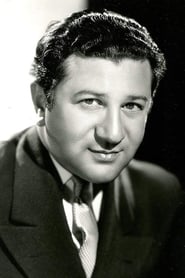
Harry Green
Actor
Born: April 1, 1892 in New York City, New York, USA Died: May 31, 1958 Active: 1910-1958 Birth Name: Henry Blitzer
Films
1 film
About Harry Green
Prominent American character actor and comedian who transitioned from a successful law background to become a staple of vaudeville and early sound cinema. Born Henry Blitzer in New York City, he initially trained as a lawyer before the allure of the stage led him to vaudeville, where he gained fame for his 'Hebrew' character sketches and comedic magic acts. His film career flourished during the early talkie era at Paramount Pictures, where he often played lovable, fast-talking Jewish characters, appearing alongside legends like Clara Bow and Fredric March. Green's versatility allowed him to work across international borders, eventually moving to the United Kingdom where he continued his career in British films and television. He remained active in the industry until his dramatic death in 1958, when he collapsed backstage during a live television broadcast. Throughout his career, he was celebrated for his impeccable timing and his ability to blend ethnic humor with a genuine, warm screen presence.
The Craft
On Screen
Green was known for his energetic and talkative comedic style, often utilizing a thick Yiddish accent and rapid-fire delivery. He specialized in the 'kibitzer' archetype—a well-meaning but meddlesome observer—and frequently incorporated his real-life skills as a magician into his performances to add a layer of physical showmanship.
Milestones
- Established himself as a top-tier vaudeville headliner with his 'George Washington Cohen' character
- Signed a significant contract with Paramount Pictures during the transition to sound film
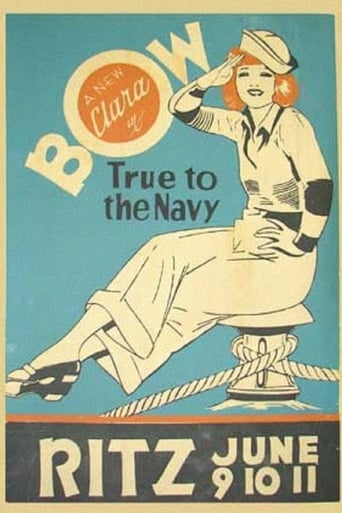
- Starred in the 1930 pre-Code hit 'True to the Navy' with Clara Bow
- Authored the popular instructional book 'Harry Green Says You Are a Magician'
- Successfully transitioned to the British film industry in the 1940s and 50s
- Appeared in Charlie Chaplin's 1957 film 'A King in New York'
Best Known For
Iconic Roles
Must-See Films
Accolades
Special Recognition
- Recognized as a leading 'Hebrew Comedian' of the Vaudeville era
- Subject of a dedicated career retrospective by the British Film Institute (BFI)
Working Relationships
Worked Often With
Studios
Why They Matter
Impact on Culture
Key figure in bringing Jewish ethnic humor from the vaudeville stage to the mainstream American cinema of the 1930s. At a time when Hollywood was experimenting with sound, his verbal dexterity and distinct characterizations helped define the 'talkie' comedy genre. He bridged the gap between traditional immigrant humor and modern American entertainment, making the 'kibitzer' a recognizable and beloved figure for a broad audience.
Lasting Legacy
His legacy resides in his contribution to the early sound era at Paramount and his successful international career that spanned the US and the UK. He is remembered as one of the few actors who could successfully maintain a career based on ethnic character work while evolving with the changing tastes of cinema audiences across three decades. His death, occurring literally while working on a live television play, cemented his reputation as a dedicated lifelong performer.
Who They Inspired
He influenced a generation of character actors who specialized in ethnic comedy, providing a blueprint for the 'fast-talking New Yorker' archetype that would become a staple of Hollywood comedy for decades.
Off Screen
Green was married to Alva Larsen and had two sons, David and Roland. His son David Green followed in his footsteps into the entertainment industry, becoming a film director and producer. Harry Green was also a skilled amateur magician and a member of various magical societies, often hosting celebrities at his London club, 'Kiss Korner'.
Education
Trained as a lawyer in New York City before entering show business.
Family
- Alva Larsen
Did You Know?
- He was a professional-grade magician and often performed tricks between takes on movie sets.
- Green died of a heart attack backstage during the live BBC television play 'Poet's Corner' in 1958.
- Before acting, he was a qualified attorney, a background he occasionally used to play lawyer roles on screen.
- He ran a celebrity-favorite club in London called 'Kiss Korner' where stars would sign the walls.
- He toured Australia extensively in the mid-1920s before his Hollywood breakthrough.
- His stage character 'George Washington Cohen' was so popular it led to several short film adaptations.
In Their Own Words
I was a lawyer once, but I found it much more honest to play a thief on stage than to be an attorney in court.
Magic is the only honest profession; a magician promises to deceive you and then he does it.
Frequently Asked Questions
Who was Harry Green?
Harry Green (1892–1958) was a celebrated American character actor, comedian, and magician known for his work in vaudeville and early sound films. He was a staple at Paramount Pictures in the early 1930s, often playing comedic Jewish characters.
What films is Harry Green best known for?
Titles linked here include True to the Navy (1930), The Kibitzer (1930).
When was Harry Green born and when did he die?
Born April 1, 1892; died May 31, 1958.
What was Harry Green's real name?
His birth name was Henry Blitzer; he adopted the stage name Harry Green for his career in vaudeville and film.
What was Harry Green's acting style?
Green was known for a high-energy, verbal style of comedy, often featuring a Yiddish accent and 'kibitzing'—a form of meddlesome but humorous commentary.