Nelson Appleton Miles
Actor
Born: August 8, 1839 in Westminster, Massachusetts, United States Died: May 15, 1925 Active: 1861-1902 (military), 1901 (film appearance)
Films
1 film
About Nelson Appleton Miles
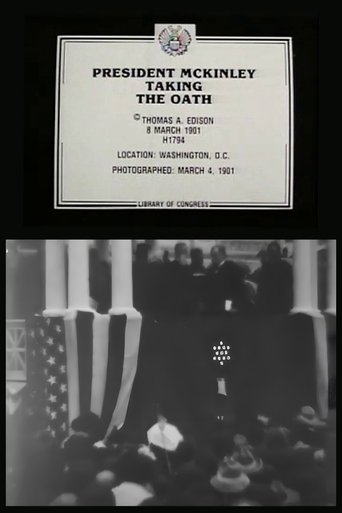
Nelson Appleton Miles was not a professional actor but rather one of America's most military generals of the 19th century who happened to appear in a historical documentary film. Born in Massachusetts, he rose from private to general during the Civil War, earning the Medal of Honor for his actions at Chancellorsville. Following the war, he became a key figure in the Indian Wars, leading campaigns against various Native American tribes including the Sioux, Cheyenne, and Nez Perce. Miles served as Commanding General of the United States Army from 1895 to 1902, overseeing military operations during the Spanish-American War. His appearance in 'President McKinley Taking the Oath' (1901) was not an acting role but rather his presence as the nation's top military officer at the presidential inauguration. He was known for his distinctive appearance, including his full beard and military bearing, which made him a recognizable figure in late 19th-century America. His nearly five decades of American military history, making him military figures of his era.
The Craft
On Screen
Not applicable - was not a professional actor, appeared only as himself in documentary footage
Milestones
- Earned Medal of Honor during Civil War Battle of Chancellorsville
- Promoted to Brigadier General at age 26
- Led campaigns in Indian Wars including capture of Geronimo
- Became Commanding General of U.S. Army (1895-1902)
- Participated in Spanish-American War operations
- Appeared in historical documentary film 'President McKinley Taking the Oath' (1901)
Best Known For
Iconic Roles
Must-See Films
Accolades
Won
- Medal of Honor (1892)
- Civil War Campaign Medal
- Indian Campaign Medal
- Spanish Campaign Medal
Special Recognition
- Commanding General of the United States Army (1895-1902)
- Major General (U.S. Army)
- Lieutenant General (U.S. Army)
Why They Matter
Impact on Culture
Nelson A. Miles represents an important transitional figure in American military history, bridging the Civil War era through the Indian Wars and into the modern military age of the early 20th century. His appearance in early cinema, though incidental, represents the intersection of historical documentation and the emerging motion picture industry. As one of the few high-ranking military figures captured in early film, his image helps preserve the visual record of America's military leadership during a crucial period of national development. The film 'President McKinley Taking the Oath' serves as both a historical document of presidential ceremonies and a rare moving image of one of the 19th century's most significant military leaders.
Lasting Legacy
General Miles left a complex legacy as both a celebrated military leader and a controversial figure in American Indian policy. His military innovations included the adoption of modern weapons and tactics, and he was instrumental in professionalizing the U.S. Army. However, his role in the Indian Wars has been criticized by modern historians for its harsh treatment of Native American populations. His brief appearance in early cinema makes him one of the earliest American military leaders to be captured on film, providing historians with valuable visual documentation of the era. His memoirs and writings remain important primary sources for understanding late 19th-century American military history.
Who They Inspired
Miles influenced a generation of Army officers who would later lead American forces in World War I, including John J. Pershing. His emphasis on modernization and professionalization helped transform the U.S. Army from a frontier force to a modern military organization. His strategic thinking and administrative reforms had lasting impact on military organization and training. While not an actor or filmmaker, his appearance in early documentary film demonstrates how motion pictures began to capture and preserve images of important historical figures for posterity, influencing how future generations would visualize and understand their history.
Off Screen
Nelson Miles married Mary Hoyt Sherman in 1868, who was the niece of Senator John Sherman and General William Tecumseh Sherman. The couple had two children, a son named Sherman and a daughter named Mary. Miles was known for his ambitious and sometimes controversial nature within the military establishment, often clashing with superior officers. He maintained an active interest in military affairs even after retirement and was frequently consulted on military matters. His later years were spent at his estate in Washington, D.C., where he wrote his memoirs and remained a prominent figure in Washington society.
Education
Limited formal education, primarily self-taught; attended local schools in Massachusetts
Family
- Mary Hoyt Sherman (1868-1925)
Did You Know?
- Was the last Commanding General of the U.S. Army to hold the title before it was changed to Chief of Staff
- Was only 26 years old when promoted to Brigadier General during the Civil War
- His capture of Chief Joseph and the Nez Perce in 1877 was
- Ran unsuccessfully for the Democratic presidential nomination in 1904
- His beard and distinctive appearance made him
- Was one of the few Civil War generals to serve continuously through the Indian Wars and into the 20th century
- His autobiography 'Personal Recollections and Observations' was published in 1912
- Was present at the deathbed of President Ulysses S. Grant in 1885
- The city of Miles City, Montana is named after him
- His film appearance was purely incidental - he was attending the inauguration as the nation's top military officer
In Their Own Words
The history of the Indian Wars is a history of the breaking of treaties.
War is a terrible thing, but sometimes it is necessary to preserve civilization.
A soldier's duty is to obey orders, but a general's duty is to win victories.
Frequently Asked Questions
Who was Nelson Appleton Miles?
American military general who served from the Civil War through the early 20th century, rising to become Commanding General of the U.S. Army. He is not primarily known as an actor but appeared in one historical documentary film while serving as the nation's top military officer.
What films is Nelson Appleton Miles best known for?
Titles linked here include President McKinley Taking the Oath (1901).
When was Nelson Appleton Miles born and when did he die?
Born August 8, 1839; died May 15, 1925.
What awards did Nelson Appleton Miles win?
Miles received the Medal of Honor in 1892 for his actions during the Civil War Battle of Chancellorsville, along with various campaign medals for his service in the Civil War, Indian Wars, and Spanish-American War.
What was Nelson Appleton Miles' military career like?
Miles had an extraordinary military career spanning over 40 years, rising from private to Lieutenant General. He served with distinction in the Civil War, led numerous campaigns in the Indian Wars including the capture of Geronimo, and served as Commanding General of the U.S. Army from 1895 to 1902.