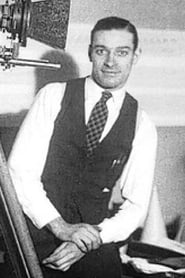
Ted Nemeth
Director
- Active
- 1936-1936
Films directed 1
About Ted Nemeth
Ted Nemeth appears in surviving film records as a very lightly documented early film director whose known career in the historical record is essentially limited to the 1936 short Synchromy No. 2. Because his credits are so scarce and contemporary biographical coverage is extremely limited, little can be stated with confidence about his upbringing, training, or broader career path. What can be said is that he was active during a period when short-form experimental and educational films were an important part of the American screen landscape, and Synchromy No. 2 suggests an involvement with abstract, rhythmic, or music-synchronized filmmaking rather than mainstream narrative features. His name survives primarily through filmography listings and archival references, which makes him one of many minor but still historically useful figures whose work helps document the range of cinema outside the studio feature system. There is no reliable evidence that he built a long directing career under this name, and he does not appear in standard classic-film reference works as a major industry personality. As a result, his place in film history is best understood as that of an obscure early cinema craftsman whose surviving credit points to the experimental and transitional possibilities of 1930s short filmmaking.
More about Ted Nemeth
Behind the camera
Based on the title Synchromy No. 2, his surviving work appears to have been aligned with synchronized, rhythmic, and possibly abstract visual presentation. Beyond that single extant credit, no reliable source materials describe a broader personal style, recurring themes, or technical preferences. He should therefore be understood as an obscure director whose known output suggests an interest in formal experimentation rather than conventional narrative staging.
In film history
Ted Nemeth's cultural impact is difficult to measure in the conventional sense because he does not appear to have left behind a substantial body of surviving, widely distributed work. Even so, his existence in the film record is culturally meaningful because it reflects the often-overlooked ecosystem of short subjects, experimental films, and minor production units that supported the evolution of screen language during the classical era. Synchromy No. 2, by its title alone, suggests the kinds of audiovisual experiments that helped expand cinema beyond narrative drama and toward abstraction, rhythm, and formal composition. Figures like Nemeth matter to film historians because they remind us that classic cinema was not made only by famous auteurs and stars, but also by many lesser-known technicians and directors whose work filled specialized exhibition niches. His surviving credit adds texture to our understanding of 1930s cinema as a diverse field that included educational, musical, and experimental forms alongside commercial features.
Later reputation
Nemeth's legacy is primarily archival rather than popular: he remains a name attached to a single surviving credit rather than a well-documented directorial canon. That limited visibility is itself historically significant, because it exemplifies how many contributors to early film culture were not preserved in public memory even when they participated in innovative or specialized production modes. For researchers, his credit can serve as a clue in studying short experimental films of the 1930s and the circulation of abstract cinema in that period. In broader film history, he stands as part of the underexamined cohort of working filmmakers whose contributions helped shape the medium's formal vocabulary, even if their individual reputations did not endure.
Influence
There is no documented evidence that Ted Nemeth directly influenced major filmmakers in the historical record, nor that he operated as a recognized mentor or teacher. Any influence he may have had was likely indirect and confined to the specific production contexts in which his short film work circulated. His surviving film title suggests alignment with experimental practice, and such work may have participated in broader currents that influenced later avant-garde and educational filmmaking. However, no verifiable chain of influence can be responsibly attributed to him by name.
Off screen
No reliable biographical information about Ted Nemeth's personal life has been verified in accessible classic-cinema reference material. His family background, marriages, children, and private life are not documented in standard film histories or widely indexed archival sources. Because of this, any specific claim about his relationships or off-screen life would be speculative and is best left unasserted.
Credits
- Directed the short film Synchromy No. 2 in 1936
- Represents a small but documented presence in early-to-mid-1930s short-form filmmaking
- Associated in the surviving record with experimental or rhythm-based screen work rather than feature filmmaking
- His filmography demonstrates the breadth of non-studio, non-feature cinema in the classic era
Films
- Synchromy No. 2 (1936)
Notes
- Ted Nemeth is known in surviving records primarily for one 1936 directing credit.
- His credited film, Synchromy No. 2, strongly suggests a formally experimental or music-synchronized concept.
- He is not a widely documented mainstream Hollywood director, which makes him a rare archival-only figure in classic cinema studies.
- There is no widely accessible biographical profile that securely establishes his birth or death details.
- Because his filmography is so sparse, he is often encountered only through database entries and archival catalog records.
- His surviving credit helps demonstrate how many short-film makers worked at the margins of the studio-era industry.
- He may be of particular interest to scholars of experimental and abstract cinema rather than narrative feature film history.
Questions
Who was Ted Nemeth?
Ted Nemeth was an obscure classic-era film director known in surviving records for the 1936 short Synchromy No. 2. Very little biographical information has been preserved about him, so he is best understood as a minor but documented figure in early film history. His surviving credit suggests work in short-form or experimental cinema rather than mainstream features.
What films is Ted Nemeth best known for?
He is best known for Synchromy No. 2 (1936), which is the principal film attached to his name in accessible filmography records. No other reliably documented directing credits are commonly associated with him in standard classic-cinema references. As a result, his film reputation rests almost entirely on that single known title.
When was Ted Nemeth born and when did he die?
His birth and death dates are not securely documented in widely available classic-film reference sources. The surviving record does not provide verified place-of-birth or place-of-death information either. In short, his life dates remain unknown based on currently accessible evidence.
What awards did Ted Nemeth win?
No awards or nominations have been reliably documented for Ted Nemeth in the available classic cinema record. He does not appear to have received major industry honors under this name. If such recognition existed, it has not been preserved in standard reference sources.
What was Ted Nemeth's directing style?
His only known title, Synchromy No. 2, implies a style centered on synchronization, rhythm, and possibly visual abstraction. Beyond that, no dependable descriptions of his technique or recurring artistic approach have survived. He should therefore be viewed as a director associated with experimental short-form work rather than conventional narrative filmmaking.
What is Ted Nemeth's legacy in film history?
Ted Nemeth's legacy is primarily archival, since he survives in the historical record as a little-known contributor to 1930s cinema. His importance lies in illustrating the broader world of short subjects and experimental filmmaking that existed alongside studio features. For historians, he is a reminder that film history includes many obscure working artists whose names endure only through a single credit.