Synchromy No. 2
Plot
Synchromy No. 2 is a short experimental animated film that synchronizes abstract visual movement to Wagner’s "Evening Star" aria from Tannhäuser. The film centers on a stylized statue of Venus, which functions as a visual stand-in for the evening star and anchors the sequence’s symbolic imagery. Rather than telling a conventional narrative, the film develops as a rhythmic interplay of shapes, motion, and metamorphosing forms that are timed closely to the music. Its effect is meditative and lyrical, emphasizing visual music and atmosphere over plot, and it reflects the 1930s avant-garde interest in translating musical structure into animation. The film is best understood as a visual tone poem, using Venus and celestial imagery to evoke beauty, romantic longing, and idealized classical associations.
Director
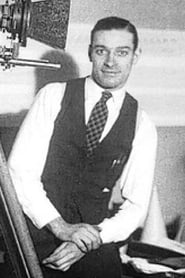
Ted NemethAbout the Production
Synchromy No. 2 is a little-documented 1936 animated short by Ted Nemeth, and like many experimental films of its era, detailed production records are scarce. The work is notable for being explicitly synchronized to Wagner’s "Evening Star" aria, indicating that the animation was conceived in close relation to a pre-existing musical composition rather than as a dialogue-driven narrative. The use of a statue of Venus as the embodiment of the evening star suggests an interest in classical iconography and symbolic abstraction rather than character animation in the Disney sense. Because surviving documentation is limited, many standard production details such as exact budget, studio workflow, and location are not reliably recorded in accessible sources. The film belongs to the broader tradition of visual music shorts and abstract animation in the 1930s, when artists explored how moving images could interpret musical form.
Historical Background
Synchromy No. 2 was made in 1936, during a period when American animation was rapidly expanding in both commercial and experimental directions. The mid-1930s saw the consolidation of sound film aesthetics, and many artists were interested in how animation could move beyond gag comedy into abstract, musical, and symbolic forms. This was also an era shaped by the lingering effects of the Great Depression, when low-budget and short-form production often encouraged experimentation outside the major studio system. The film’s use of Wagner is culturally significant because it reflects a high-art aspiration common in avant-garde cinema, where classical music and mythological imagery were used to elevate animation into the realm of visual art. As such, the film matters as part of the broader history of attempts to define animation not only as entertainment but also as a medium capable of sophisticated musical interpretation.
Why This Film Matters
Although Synchromy No. 2 is not a mainstream landmark, it is culturally important as an example of 1930s experimental animation engaging with "visual music." Works like this helped broaden the definition of what animation could be, demonstrating that it could operate as an abstract, nonverbal art form rather than exclusively as comic storytelling or children’s entertainment. Its reliance on Wagner and classical imagery also shows the era’s fascination with merging European high culture with modern cinematic technique. For historians of animation, films such as this are valuable evidence of the diverse creative currents running alongside better-known studio cartoons. They also help document the persistence of avant-garde ideas in American film culture during a period dominated commercially by large animation studios.
Making Of
Very little detailed behind-the-scenes information is widely documented for Synchromy No. 2, which is typical of experimental shorts from the mid-1930s. What is clear is that Ted Nemeth conceived the film around a close synchronization between animation and Wagner’s "Evening Star" aria, implying a production process driven by musical timing and visual metaphor. The Venus statue motif suggests deliberate symbolic planning, with the imagery chosen to embody the aria’s celestial and romantic associations. In the absence of extensive surviving production notes, the film is best understood as a crafted visual experiment in which rhythm, iconography, and musical structure were more important than narrative continuity or character design. Its obscurity today likely reflects both the limited commercial reach of such films and the fragmentary survival of production records.
Visual Style
As an animated short, Synchromy No. 2 does not rely on cinematography in the live-action sense, but its visual construction is central to its effect. The film likely employs carefully timed movement, compositional balance, and graphic transformations to align the images with the musical phrasing of Wagner’s aria. The Venus statue motif indicates a likely emphasis on sculptural form, silhouette, and symbolic framing, with the animation functioning as a series of visual analogues to musical passages. Its style is best described as lyrical and abstract, prioritizing rhythm, motion, and associative imagery over realistic depiction. The visual design appears intended to create a unified audiovisual experience in which each image contributes to the music’s emotional contour.
Innovations
The main technical achievement of Synchromy No. 2 lies in its synchronization of animated imagery to a specific operatic aria, reflecting the broader 1930s pursuit of precise audiovisual alignment. Its use of symbolic animation to translate musical and mythological ideas into moving images aligns it with early abstract and experimental animation practices. The film also demonstrates how animation could function as a form of visual composition, where shape, motion, and timing create a parallel to musical structure. While it does not appear to have introduced a widely documented technical breakthrough, it is notable for its artistic integration of sound and image at a time when such formal experiments were still relatively uncommon in commercial animation.
Music
The soundtrack is the "Evening Star" aria from Wagner’s Tannhäuser, one of the composer’s most famous lyrical pieces. The film is structured around this music, suggesting that animation cues were timed to the aria’s phrasing, mood shifts, and melodic swell. Wagner’s score gives the film a romantic, elevated tone and connects the imagery of Venus and the evening star to established operatic symbolism. The musical choice is central to the work’s identity and likely defines both its pacing and its emotional atmosphere. As with many visual-music films, the soundtrack is not merely accompaniment but the organizing principle of the piece.
Famous Quotes
No documented spoken dialogue or marketing quote is widely available for this film.
The film is best known through its musical and visual concept rather than quoted dialogue.
Memorable Scenes
- The central image of a statue of Venus standing in for the evening star as the animation unfolds around Wagner’s aria.
- The sequence in which abstract forms and symbolic imagery appear to transform in direct synchrony with the music’s phrasing.
- The overall impression of a visual tone poem, where the moving images function as a lyrical response to the soundtrack rather than as narrative action.
Did You Know?
- The film is explicitly synchronized to the "Evening Star" aria from Wagner’s Tannhäuser, making the score a structural guide for the animation.
- A statue of Venus is used to represent the evening star, linking the film’s imagery to classical mythological symbolism.
- The title "Synchromy" places the film within the visual-music tradition, where motion and sound are designed to function as one unified aesthetic experience.
- Ted Nemeth is credited as director, but the film remains relatively obscure and is not among the widely circulated mainstream animation shorts of the 1930s.
- The film appears to survive primarily in archival references and database records, which is common for many experimental shorts from the period.
- Its abstract and symbolic style reflects the avant-garde animation movement rather than commercial cartoon storytelling.
- The film’s choice of Wagner situates it within a high-cultural musical framework uncommon in popular animated shorts of the era.
- Because it is a short experimental film, it likely circulated in limited venues or specialized contexts rather than as a mass-market release.
What Critics Said
Contemporary critical reception is difficult to reconstruct because Synchromy No. 2 was not a widely publicized feature and surviving reviews are not readily documented in standard sources. The film appears to have been more of a specialized artistic exercise than a widely reviewed theatrical attraction, which means modern assessment tends to come from archival and historical perspectives rather than period criticism. Today, it would likely be appreciated by scholars and enthusiasts of experimental animation for its integration of music and abstract imagery, its classical references, and its place in the visual-music tradition. Its obscurity also means it is often discussed in relation to the broader movement of animated tone poems rather than as a standalone mass-culture object. In historical terms, it is valued more for its concept and context than for widespread critical acclaim at the time of release.
What Audiences Thought
Direct evidence of audience reaction is limited, likely because the film circulated in specialized or restricted exhibition contexts rather than through broad commercial distribution. As a short experimental work, it would have appealed primarily to viewers interested in avant-garde cinema, animation, or musical visualization. General audiences of the 1930s, accustomed to comedy cartoons and narrative shorts, may have found its abstract style unusual or challenging. For modern viewers, the film’s appeal is likely strongest among those who enjoy historical curiosities, early experimental animation, and Wagnerian visual interpretation. Its rarity and symbolic imagery give it a niche but enduring interest among film historians and archivists.
Film Connections
Influenced By
- Richard Wagner’s Tannhäuser
- The visual music and abstract film movements of the 1920s and 1930s
- Classical mythological imagery
- Avant-garde animation traditions
This Film Influenced
- Later visual music and abstract animation shorts
- Experimental films that synchronize image to pre-existing classical music
You Might Also Like
More Animation Films
View allFilm Restoration
The film appears to be extant in archival records and database references, but detailed public information about restoration or circulation is limited. It is not widely available in mainstream home-video circulation, and its preservation status is best described as uncertain in practical accessibility terms rather than definitively lost. As with many experimental shorts of the era, it may survive in archive holdings or specialized collections even if it is not easily viewable by the public.