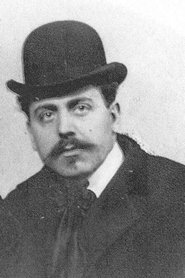
Raoul Barre
Director
- Born
- January 17, 1874, Montreal, Quebec, Canada
- Died
- May 31, 1932
- Active
- 1900s-1920s
- Birth name
- Raoul Barré
Films directed 2
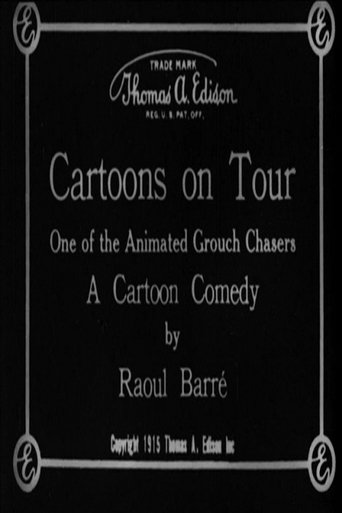
About Raoul Barre
Raoul Barré was a pioneering French-born animator, illustrator, and film director whose work helped shape the earliest years of animated cinema in North America. After beginning his career as a cartoonist and illustrator, he became one of the first filmmakers to recognize the possibilities of animation as a commercial and artistic medium. Barré is especially important for his role in organizing one of the earliest animation studios and for helping establish production methods that influenced later cartoon-making, including the use of a peg-registration system to keep drawings aligned. In the 1910s he directed and produced a number of animated films and series, including the films associated with his name in early filmography records such as Cartoons in a Seminary (1915) and Cartoons On Tour (1915). He also worked with and influenced other major early animation figures, helping bridge the transition from newspaper cartooning to screen animation. His career reflects the experimental, entrepreneurial spirit of silent-era filmmaking, when many of the conventions of animation were still being invented. Barré remains a foundational figure in animation history even though much of his output is lost or poorly documented compared with later studio-era cartoons.
More about Raoul Barre
Behind the camera
Barré's directing style was shaped by the earliest phase of animated filmmaking, when clarity, reproducibility, and novelty were more important than later narrative polish. His approach emphasized efficient production, bold graphic movement, and the transformation of cartoon ideas into screen motion. As with many silent-era animation pioneers, his films were likely short, gag-driven, and visually direct, relying on simple scenarios and a strong visual hook rather than elaborate characterization. His importance lies less in a later auteur style than in the invention and refinement of methods that made animation production more systematic and scalable.
In film history
Raoul Barré's cultural impact lies in his role as one of the architects of commercial animation. He helped move animation beyond isolated novelty experiments and into repeatable studio production, making it possible for cartoons to become a regular feature of film exhibition. His work contributed to the visual language and workflow that later became standard in the industry, especially in the handling of sequential drawings and studio organization. Even though many of his films are lost or difficult to see today, his name appears in the history of animation as a crucial early innovator whose methods helped lay the foundation for the cartoon industries that followed.
Later reputation
Barré's legacy is that of a true pioneer: not the most famous name in animation history, but one of the indispensable builders of the medium. Historians credit him with helping establish early professional practices that made animation efficient enough to become a sustainable commercial art form. His films and studio experiments occupy an important place in the transition from hand-drawn cartooning to motion-picture animation. In broader film history, he stands as a reminder that the silent era was filled with inventors whose contributions were structural rather than celebrity-driven. Modern animation studies continue to recognize him as a formative figure whose influence extended far beyond the small number of surviving titles attached to his name.
Influence
Barré influenced later animators primarily through technique and production organization rather than through a large body of widely circulated surviving films. His peg-registration innovations and studio methods helped standardize how drawings were prepared and shot, and these practices became part of the industrial grammar of animation. Animators who worked in or around his production environment carried these habits into other studios, helping spread the discipline of consistent frame registration and efficient cartoon workflow. In that sense, his influence can be seen in the broader evolution of animation as an industry, affecting generations of directors and studio craftsmen who benefited from the systems he helped pioneer.
Off screen
Raoul Barré's personal life is not as thoroughly documented in standard film sources as that of later Hollywood figures, and many biographical details remain sparse. He was born in Montreal and later worked in the United States, where the animation industry was rapidly developing in the 1910s and 1920s. He was part of the generation of artists who moved between print cartoons, illustration, and film as the new medium of animation emerged. Surviving records focus more on his professional achievements than on domestic life, and reliable public documentation of marriages, children, or detailed family background is limited. Because of this, his personal history is often summarized through his professional migration from Canadian artist to American animation pioneer.
Education
Formal education is not well documented in standard film references; he is generally known to have been trained through artistic and commercial illustration work rather than through a widely recorded film-school or academy path.
Credits
- Became one of the earliest pioneers of animated motion pictures in North America after starting as a newspaper cartoonist and illustrator
- Co-founded and worked with one of the first dedicated animation production setups, helping establish early studio organization for cartoons
- Helped develop practical animation workflow techniques, including an early peg-registration approach that improved consistency between drawings
- Directed early animated subjects in the 1910s, including Cartoons in a Seminary (1915) and Cartoons On Tour (1915) in surviving filmographies
- Worked in the formative period when animation was emerging from the world of editorial cartooning and vaudeville novelty films
- Influenced and collaborated with other major early animators and studios during the rapid expansion of silent-era cartoon production
- Is now regarded as a foundational, if sometimes under-credited, figure in the history of screen animation
Films
- Cartoons in a Seminary (1915)
- Cartoons On Tour (1915)
- Animated films produced in the early 1910s under Barré's direction
- Early cartoon subjects associated with the Barré animation studio
- Early silent animation work contributing to the development of commercial cartoons
Honors
- Recognized posthumously as a pioneer of animation history
- Frequently cited in histories of early North American cartoon production
- Included among foundational figures in silent-era animation scholarship
Collaborators
- Bill Nolan
- Charles Bowers
- Early animators and cartoonists associated with the New York animation scene
Studios
- Barré Studio
- Pathé-related production activity
- Early independent animation production in New York
Notes
- He was born in Montreal but became a key figure in early American animation.
- Before filmmaking, he worked as a cartoonist and illustrator, which was common among early animators.
- Barré is often credited with helping formalize a peg-registration system to keep animation drawings aligned from frame to frame.
- His filmography in early records includes titles such as Cartoons in a Seminary and Cartoons On Tour from 1915.
- Much of his output is lost, which is one reason he is less familiar to general audiences than later animation pioneers.
- He is sometimes discussed alongside other early East Coast animation innovators who helped establish the industry before Hollywood domination.
- His career sits at the intersection of newspaper cartooning, vaudeville-era novelty films, and the first generation of commercial animation.
- He is considered one of the earliest people to treat animated film as a repeatable studio product rather than a one-off trick.
Questions
Who was Raoul Barré?
Raoul Barré was a Canadian-born animator, cartoonist, and film director who became one of the earliest pioneers of animated filmmaking in North America. He was especially important in the silent era for helping turn cartooning into a repeatable studio art form.
What films is Raoul Barré best known for?
He is associated with early animated works including Cartoons in a Seminary (1915) and Cartoons On Tour (1915), along with other early cartoon subjects from the 1910s. Many of his films are lost or poorly documented, so his reputation rests as much on his pioneering role as on surviving titles.
When was Raoul Barré born and when did he die?
He was born on January 17, 1874, in Montreal, Quebec, Canada, and died on May 31, 1932. His life spanned the crucial transition from print cartooning to the first decades of screen animation.
What awards did Raoul Barré win?
No major contemporary film awards are known for Raoul Barré, which is not unusual for a silent-era pioneer whose work predates the modern awards era. His recognition is mainly historical and posthumous, through animation scholarship and film history.
What was Raoul Barré's directing style?
Barré's directing style was rooted in early animation experimentation, with an emphasis on clear visual gags, efficient production, and the mechanics of making drawings move smoothly on screen. Rather than a later polished studio style, his work reflects the inventive, process-driven character of the silent-era cartoon workshop.
Why is Raoul Barré important in film history?
He is important because he helped establish animation as a professional film form rather than a novelty trick. His methods and studio practices influenced how cartoons were made during the medium's formative years.