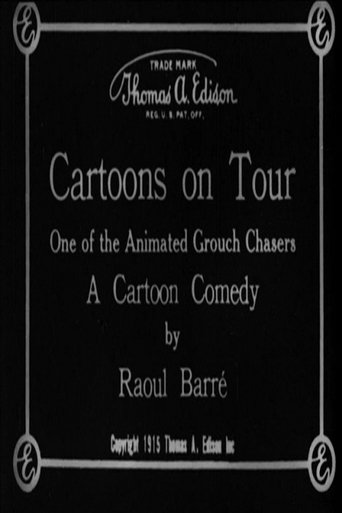
Cartoons in a Seminary
Plot
At Miss Syntax’s seminary, Laura confides to her companions that her sweetheart, Jim, is due to visit that afternoon, immediately turning the girls’ day into a flurry of anticipation. Soon afterward Jim appears by climbing the fence around the school playground, a playful intrusion that signals the film’s comic, slightly mischievous tone. After greeting the girls, he produces a copy of The Grouch Chaser, a contemporary comic publication, and the girls gather around to read it. They are especially delighted by the story “Silas Bunkum’s Boarders Picnic,” which depicts Silas, his wife, and their three guests enjoying a lively outing in the country. The film then unfolds as a brief comic amusement centered on shared reading, flirtation, and the girls’ laughter at the cartoons, rather than on a complex narrative arc.
Director
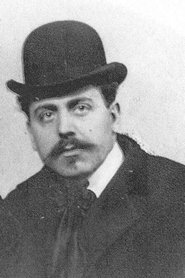
Raoul BarreAbout the Production
This short animated-comedy film was released in the silent era, when cartoons often appeared as brief novelty items rather than feature attractions. The film is associated with Raoul Barré, one of the pioneering animators of the 1910s, and was made during the period when animation was still experimenting with comic vignettes, strip-based humor, and magazine-style topical references. The available plot description suggests that the film uses a framing device of schoolgirl banter around a comic booklet, with the animated content or inserted comic imagery acting as the main attraction. Exact production details such as budget, filming site, and runtime are not reliably documented in surviving public records, which is common for films of this era.
Historical Background
Released in 1915, Cartoons in a Seminary emerged during the height of the silent-film era, when motion pictures were rapidly expanding from novelty entertainment into a major commercial art form. Animation in particular was still in its experimental and transitional phase: studios were refining techniques such as repeated character use, pen-and-ink humor, and the integration of popular cartoon culture into film presentation. The year also sits within a period of intense growth in mass print culture, when comic strips, illustrated jokes, and humor magazines were central to popular entertainment, making a film built around a comic publication immediately legible to audiences. In the broader historical context, this was a pre-feature era for animation, when shorts were commonly shown in mixed programs and valued for their novelty, topicality, and easy comic appeal.
Why This Film Matters
The film is culturally significant as a representative example of early 20th-century animation’s relationship to print humor and social comedy. Rather than presenting a fully self-contained fantasy world, it appears to draw directly on the language of cartoons, magazines, and schoolgirl comedy, showing how early filmmakers borrowed from familiar cultural forms to make animation accessible. As a Raoul Barré work, it also belongs to the foundational period of the medium, when artists and producers were helping define the conventions that would later lead to more sophisticated animated storytelling. Even though it is not widely known today, the film is valuable to historians because it illustrates how animated shorts could be built around contemporary reading culture and mild social satire, helping animation gain an audience before the emergence of the major studio cartoon characters of the 1920s and 1930s.
Making Of
Cartoons in a Seminary was made during a formative period for animation, when filmmakers were still determining what the medium could do beyond simple moving sketches and comic inserts. Raoul Barré was among the pioneers who helped standardize production techniques and industrialize cartoon making, and works from this period often relied on economical setups, repeatable visual jokes, and readily recognizable social types. The film’s surviving description indicates that its comedy came from the juxtaposition of respectable schoolroom manners with the exuberant humor of a popular comic booklet, a device that allowed animators and distributors to attract audiences already familiar with newspaper and magazine cartoons. Because the film is over a century old and documentation is sparse, specific information about shooting schedules, crew size, and exact production workflow is not well preserved in accessible sources.
Visual Style
Specific cinematographic credits and visual details are not reliably documented in surviving public sources, but the film’s likely style fits the conventions of early silent animation and comic shorts. Works associated with Raoul Barré often emphasized clear line work, economical staging, and readable gag construction, with visual information designed to be grasped quickly by audiences in theaters. If live-action framing was used, it would likely have been staged simply and frontally, allowing the comic booklet or cartoon material to carry the main attraction. The overall visual approach would have prioritized clarity, timing, and comic legibility over camera movement or elaborate set design.
Innovations
The film’s main technical significance lies in its place within early animation development rather than in a single groundbreaking effect. Raoul Barré was part of the generation that helped professionalize cartoon production, and films from this era contributed to the refinement of repeatable production methods, simplified figure animation, and the integration of cartoons with live-action or staged framing devices. The film also demonstrates an early use of intermedial humor, drawing on the printed cartoon page as part of the cinematic experience. While not known for a specific technical breakthrough, it belongs to the lineage that helped establish animation as a distinct screen form.
Music
As a silent film, Cartoons in a Seminary would not have ունեցել a synchronized recorded soundtrack at the time of release. In exhibition, it would typically have been accompanied by live music from a pianist, organist, or small theater ensemble, with the accompaniment chosen to match the comic tone of the film. No specific original score is documented in available sources. Modern screenings, if any, may use newly commissioned or archival-style accompaniment depending on the preservation source and presenter.
Famous Quotes
No verified surviving dialogue or intertitles are widely documented for this film.
The known plot centers on the girls laughing over "Silas Bunkum’s Boarders Picnic" from The Grouch Chaser.
Memorable Scenes
- Jim climbing the school fence to visit Laura and the girls, establishing the film’s playful comic tone.
- The girls gathered around The Grouch Chaser, reacting with laughter to the cartoon story inside it.
- The vignette of Silas Bunkum, his wife, and their three guests enjoying a lively picnic in the country.
Did You Know?
- The film is attributed to Raoul Barré, one of the early figures in North American animation and a key innovator in the development of recurring cartoon production methods.
- Its title reflects a common silent-era strategy of pairing animation or comic material with lightly humorous live-action framing, appealing to audiences through recognizable social settings.
- The film’s known plot references The Grouch Chaser, indicating a connection to contemporary comic culture and print humor rather than an original long-form narrative.
- The school setting, Miss Syntax’s seminary, uses a familiar stock location in early comedy: a feminine finishing-school environment that could be mined for innocent mischief and flirtation.
- The plot summary suggests the film may have functioned partly as a showcase for cartoon panels or animated comic-strip style gags, a technique common before animation fully separated itself from comic illustration.
- Like many early short films, it appears to survive primarily through catalog descriptions and archival references rather than through widely accessible complete prints.
- The film belongs to an era in which Pathé was actively distributing a broad range of shorts, including animated novelty items, across international markets.
- The presence of cast members such as Caroline Rankin, Gladys Leslie, and Yale Boss suggests either live-action framing elements or performance crediting that reflected the hybrid nature of some early cartoons.
What Critics Said
Contemporary critical reception is not well documented in surviving widely cited reviews, which is common for short animated films from 1915. At the time, a film like this would likely have been evaluated more as a novelty, a humorous filler, or a program-friendly attraction than as a work of serious criticism. In modern scholarship, such films are generally appreciated for their historical value, their insight into early animation practice, and their links to comic-strip culture. Because the film is obscure and likely survives only in limited documentation, present-day critical assessment focuses more on its archival importance and its place in Raoul Barré’s output than on aesthetic canonization.
What Audiences Thought
Direct audience-response records are not readily available, but films of this type were typically designed for quick, immediate amusement. The plot’s emphasis on schoolgirl laughter, a boy’s visit, and a comic booklet suggests an intention to evoke light-hearted recognition and gentle naughtiness rather than intense dramatic engagement. Early audiences often enjoyed such shorts as part of varied programs, where brief animated pieces could draw laughs through topical or familiar humor. The film’s use of a popular comic reference likely increased its appeal among viewers already acquainted with newspaper and magazine cartoon culture.
Film Connections
Influenced By
- Newspaper comic strips and illustrated humor magazines
- Early comic vaudeville and gag-based silent shorts
- The Grouch Chaser and contemporary cartoon culture
- Early animated trick films and comic insert shorts
This Film Influenced
- Early educational and social-comedy cartoons that framed animation within live-action settings
- Later silent-era animated shorts that adapted popular print humor
- Comic-strip-based animated productions of the 1920s
You Might Also Like
More Animation Films
View allMore from Raoul Barre
View allFilm Restoration
Preservation status is uncertain in widely accessible public sources; the film appears to be rare and is not commonly available in complete restored form online.