Films
3 films
About Yale Boss
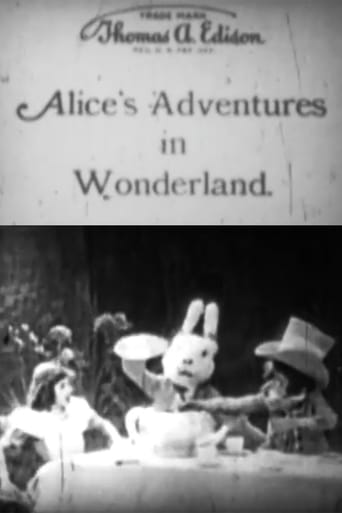
Yale Boss appeared in 1910 motion picture adaptation of Lewis Carroll's 'Alice's Adventures in Wonderland. ' His career appears to have been extremely brief, with film records indicating activity only in the year 1910. Like many actors from this period of cinema, Boss was likely part of the early theatrical community that transitioned to the new medium of motion pictures. The 1910 'Alice's Adventures in Wonderland' was one of the earliest film adaptations of the classic novel, produced during a time when American cinema was still establishing its identity and production methods. Boss's participation in this early literary adaptation places him among the foundational actors who helped establish narrative filmmaking in America. Unfortunately, like many performers from this era, detailed records of his life and career are scarce, reflecting the limited documentation and preservation practices of early film history.
The Craft
Milestones
- Appeared in the 1910 film adaptation of 'Alice's Adventures in Wonderland'
Best Known For
Must-See Films
Why They Matter
Impact on Culture
Yale Boss represents the countless anonymous actors who participated in the birth of American cinema during the silent era. His appearance in 'Alice's Adventures in Wonderland' (1910) places him among the pioneers who brought literary adaptations to the screen during a time when filmmaking was still establishing its artistic and commercial potential. While his individual contribution may seem minor, actors like Boss were essential in establishing the foundation of narrative cinema and demonstrating that literary works could be successfully adapted to the new medium of motion pictures. The 1910 Alice film itself is historically significant as one of the earliest American adaptations of Carroll's work, predating more famous versions and representing the experimental nature of early film production.
Lasting Legacy
Yale Boss's legacy is primarily historical rather than artistic, serving as a representative example of the many anonymous actors who populated early American films. His brief career exemplifies how many performers during cinema's first decade had fleeting appearances in the rapidly evolving film industry. While he did not achieve lasting fame, his participation in early cinema contributes to our understanding of the scale and scope of the film industry's foundational years. The fact that his name survives in film records at all is remarkable, given how many early film performers have been completely lost to history.
Who They Inspired
As a very minor actor from the earliest days of American cinema, Yale Boss had no documented influence on other performers or filmmakers. His influence is purely historical, serving as evidence of the numerous actors who participated in cinema's formative years.
Off Screen
Very little is known about Yale Boss's personal life, which is typical for actors from the earliest days of American cinema who often left minimal historical records.
Did You Know?
- Appeared in one of the earliest film adaptations of 'Alice's Adventures in Wonderland' (1910)
- Had an extremely brief film career spanning only one year
- Represents the typical anonymous actor from early silent cinema
- The 1910 Alice film was produced during a period for American literary adaptations
- Like many early film actors, his personal details remain largely undocumented
- His career coincided with the transition from short films to feature-length productions in American cinema
Frequently Asked Questions
Who was Yale Boss?
American with credits in this catalog.' His career was extremely brief, with film records indicating he was active only in 1910.
What films is Yale Boss best known for?
Titles linked here include Alice's Adventures in Wonderland (1910).
When was Yale Boss born and when did he die?
Unfortunately, specific birth and death dates for Yale Boss are not available in historical records, which is common for many actors from the earliest days of American cinema.
What awards did Yale Boss win?
Yale Boss did not receive any known awards or nominations, which was typical for most actors during the very early years of American cinema before formal award systems were established.
What was Yale Boss's acting style?
Specific details about Yale Boss's acting style are not documented in available historical records. Like many actors from 1910, he would have used the theatrical acting techniques common in early silent films before more naturalistic styles developed.
Why is Yale Boss historically significant?
Yale Boss is historically significant as a representative example of the many anonymous actors who participated in early American cinema. His appearance in a 1910 literary adaptation helps document the scope and scale of the film industry during its foundational years.