Films
1 film
About Roger Barlow
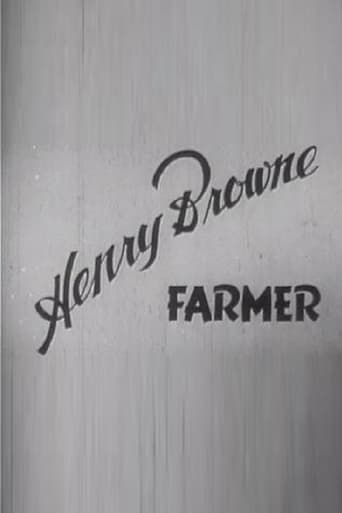
American documentary filmmaker active during World War II, best known for his work with the Office of War Information (OWI). His career, though brief, was centered around creating propaganda and informational films to support the American war effort. 'Henry Browne, Farmer' (1942) stands as his most notable work, showcasing the contributions of African American farmers to the war effort through increased food production. Barlow was part of a generation of filmmakers who used documentary as a tool for social messaging and national unity during a critical period in American history. His work reflected the government's efforts to highlight diversity and unity in the home front while addressing racial issues through the lens of patriotism. Though his filmography appears limited to this period, his contribution to wartime documentary filmmaking represents an important aspect of American cinema history.
The Craft
Behind the Camera
Documentary realism with social messaging, focusing on everyday Americans and their contributions to the war effort. His approach emphasized authenticity and human interest stories to promote national unity and patriotic sentiment.
Milestones
- Directed 'Henry Browne, Farmer' (1942) for the Office of War Information
- Contributed to wartime documentary movement
- Created films supporting American war effort during WWII
Best Known For
Must-See Films
Working Relationships
Studios
Why They Matter
Impact on Culture
Roger Barlow's work, particularly 'Henry Browne, Farmer,' contributed to the important wartime documentary movement that helped shape American public opinion during WWII. His film was significant for its portrayal of African American contributions to the war effort at a time when racial representation in mainstream media was limited. The documentary served as both propaganda and a progressive statement about racial unity in the face of national crisis. Barlow's work exemplifies how documentary film was used as a tool for social change and national mobilization during the 1940s, influencing later generations of social documentary filmmakers.
Lasting Legacy
Though largely forgotten in mainstream film history, Roger Barlow represents the countless documentary filmmakers who worked during WWII to create visual records of American life and support the war effort. His film 'Henry Browne, Farmer' remains an important historical document of both wartime agricultural production and early attempts at positive racial representation in American media. The legacy of filmmakers like Barlow lives on in the continued use of documentary as a tool for social commentary and historical preservation.
Who They Inspired
As part of the OWI documentary unit, Barlow contributed to a movement that influenced future documentary filmmakers in their approach to social issues and historical documentation. The techniques and approaches developed during this period, including the use of real people in real situations to tell compelling stories, continue to influence documentary filmmaking today.
Off Screen
Very little is documented about Roger Barlow's personal life, which is common for many documentary filmmakers of the WWII era who worked behind the scenes for government agencies.
Did You Know?
- 'Henry Browne, Farmer' was one of the few wartime documentaries to feature an African American protagonist in a positive, leading role
- The film was produced by the Office of War Information, a government agency created in 1942 to coordinate wartime propaganda
- Documentaries like Barlow's were often shown in theaters before feature films as part of the regular programming
- The film highlighted the 'victory garden' movement and increased food production as crucial to the war effort
- Many OWI filmmakers, including possibly Barlow, were recruited from the documentary and experimental film communities
- Wartime documentaries were typically short (10-20 minutes) to fit into theater programming schedules
- The film's subject, Henry Browne, was a real farmer from Georgia, not an actor
- These documentaries were often distributed internationally to show allies American life and values
- The OWI documentary unit employed many future prominent filmmakers early in their careers
- Films like this were part of a broader effort to promote racial unity during WWII, despite ongoing segregation
Frequently Asked Questions
Who was Roger Barlow?
American documentary filmmaker active during World War II, best known for directing 'Henry Browne, Farmer' (1942) for the Office of War Information. He was part of the government's documentary filmmaking efforts to support the war effort and promote national unity.
What films is Roger Barlow best known for?
Titles linked here include Henry Browne, Farmer (1942).
When was Roger Barlow born and when did he die?
Specific birth and death dates for Roger Barlow are not documented in available historical records, which is common for many documentary filmmakers who worked behind the scenes for government agencies during WWII.
What awards did Roger Barlow win?
There are no documented awards or nominations for Roger Barlow's work, which was typical for government-produced documentary films during WWII that were created primarily for informational and propaganda purposes rather than artistic recognition.
What was Roger Barlow's directing style?
Barlow's directing style followed the documentary realism approach common in wartime films, focusing on authentic subjects and situations to convey social messages. His work emphasized human interest stories and everyday Americans' contributions to national efforts.
Why is 'Henry Browne, Farmer' significant?
The film is historically significant for its positive portrayal of an African American farmer during a time of limited racial representation in media, and for documenting the crucial role of agriculture and African American contributions to the WWII home front effort.