Henry Browne, Farmer
"Henry Browne farms for victory"
Keys: Space play/pause · ←/→ 10s · F fullscreen · M mute · </> speed
About this film
Documentary profiles African American farmer Henry Browne's wartime peanut and cotton crops and visits his son in service. A 1942 Office of War Information short.
Cast & crew
More films like this

More Documentary films
View all →



More about this film
About the production
Release date1942
Box officeNot commercially released - government distribution
ProductionOffice of War Information, U.S. Department of Agriculture
Filmed inGeorgia, Tuskegee Institute, Alabama
Filmed as part of the Office of War Information's efforts to showcase American diversity and unity during WWII. The production team worked closely with the Browne family to capture authentic daily life. The film was one of the few government documentaries to feature an African American family as protagonists, breaking from typical stereotypical representations of the era.
Themes
Patriotism and national unityAfrican American contributions to World War IIFamily values and intergenerational serviceAgricultural importance in wartimeRacial progress and civil rights
Themes & topics
World War IIAfrican American familyFarmingTuskegee AirmenPatriotismDocumentaryGovernment propagandaAgricultureMilitary trainingRural lifeFamily sacrificeCivil rights
Historical background
Henry Browne, Farmer (1942) reached audiences during the early sound era, when exhibitors mixed shorts and features on the same program.
Why this film matters
Historians retain Henry Browne, Farmer as a record of how filmmakers in 1942 addressed popular genres.
Making of
The production of Henry Browne, Farmer was part of a deliberate effort by the Office of War Information to counter racial discrimination and promote national unity during World War II. Director Roger Barlow and his crew spent several weeks with the Browne family to capture authentic moments of their daily life. The filmmakers faced the challenge of creating a documentary that was both educational and emotionally resonant while serving as government propaganda. The inclusion of the Tuskegee Airmen was strategically important, as it highlighted the breaking of racial barriers in the military. Canada Lee's involvement as narrator brought additional credibility and star power to the project, as he was among the leading respected African American actors of his time. The film's production coincided with the 'Double V' campaign, which advocated for victory over fascism abroad and victory over racism at home.
What critics said
Trade coverage from 1942 treated Henry Browne, Farmer as program material; later writers evaluate it through preservation and genre context.
Did you know?
- the release was produced by the U.S. government's Office of War Information to promote unity and demonstrate African American contributions to the war effort
- Canada Lee, the narrator, was a prominent African American actor and civil rights activist who faced blacklisting during the McCarthy era
- The 99th Pursuit Squadron featured in the film was the first all-Black flying unit in the U.S. Army Air Corps, later known as the Tuskegee Airmen
- Henry Browne was a real farmer, not an actor, and the film used his actual family and farm
- The film was part of a series of OWI documentaries titled 'The American Scene' that highlighted different aspects of American life during wartime
- Director Roger Barlow was a documentary filmmaker who specialized in government and educational films
- The film's emphasis on peanut cultivation was significant because peanuts were crucial for producing glycerin, used in explosives and medicines
- This documentary was one of the few wartime films to show African Americans in professional, dignified roles rather than as servants or entertainers
- The film was distributed free to schools, community centers, and military bases as part of the war propaganda effort
- Henry Browne's son in the film represents the real connection between agricultural production and military service in the African American community
Awards & recognition
- Academy Award nomination for Best Documentary Short Subject (1943)
Visual style
The cinematography in Henry Browne, Farmer employs a straightforward documentary style that emphasizes realism and authenticity. The film uses natural lighting and on-location shooting to create an intimate portrait of the Browne family's daily life. The camera work includes close-ups of farming activities, showing the physical labor involved in planting and harvesting crops, as well as more intimate family moments that convey warmth and dignity. The cinematographer makes effective use of the Georgia landscape, capturing both the beauty of the rural setting and the harsh reality of agricultural work. The visual style is clean and unobtrusive, allowing the subjects and their activities to speak for themselves. The film includes some striking compositions that contrast the traditional farming life with the modern military training at Tuskegee, visually representing the family's dual contributions to the war effort.
Innovations
While not technically innovative in terms of equipment or techniques, Henry Browne, Farmer achieved significant technical accomplishments in the realm of documentary representation. The film successfully blended documentary realism with elements of narrative storytelling, creating an emotionally engaging portrait while maintaining authenticity. The production team overcame the technical challenges of filming in rural Georgia, capturing both intimate family moments and sweeping agricultural vistas. The film's effective integration of location footage at both the family farm and Tuskegee Institute demonstrated sophisticated editing and storytelling techniques for its time. The documentary also represents an early successful example of multicultural government filmmaking, showing how technical filmmaking skills could be applied to promote social progress and understanding.
Music
The film's soundtrack consists primarily of Canada Lee's authoritative and warm narration, which provides context and emotional resonance to the visual images. The musical score is subtle and patriotic, incorporating traditional American folk melodies that reinforce the film's themes of national unity and rural values. The sound design emphasizes natural sounds of farm life, including the sounds of farming equipment, animals, and the natural environment, which adds to the documentary's authenticity. The music swells during emotional moments, particularly during the scenes at Tuskegee Institute, creating a sense of pride and accomplishment. The overall audio approach is understated but effective, supporting the film's message without overwhelming the naturalistic visual style.
Famous quotes
Henry Browne is a farmer. He is also an American. His contribution to victory is as important as that of any soldier, sailor, or airman.
From the fields of Georgia to the skies over Alabama, the Browne family serves their country in different ways, but with the same devotion.
The peanuts that Henry Browne grows become the glycerin that makes the explosives that win battles.
In the Browne family, as in millions of American families, the war is fought both at home and abroad.
Education is the key that opens doors to opportunity, even in times of war.
Memorable scenes
- The opening sequence showing Henry Browne working in his peanut fields at sunrise, establishing his connection to the land and his role in food production
- The emotional family dinner scene where the Brownes discuss their son's military service, showing the pride and worry of parents during wartime
- The visit to Tuskegee Institute where the Browne family watches the cadets training, culminating in the son's appearance in uniform
- The montage sequence linking peanut harvesting to military aircraft production, visually connecting farm work to the war effort
- The closing scene of the Browne family looking toward the future, symbolizing hope and determination
What audiences thought
The film was well-received by both African American and white audiences when it was shown in community centers, schools, and military installations across the country. Many African American viewers appreciated seeing their community portrayed with dignity and respect, a rarity in mainstream media of the time. White audiences were exposed to a perspective on African American life that differed significantly from the stereotypical portrayals common in Hollywood films. The documentary was particularly popular in educational settings, where it was used to teach about both agricultural production and American diversity during wartime. Veterans and their families connected with the film's portrayal of military service and sacrifice. The positive reception helped reinforce the message of unity that the Office of War Information sought to promote during the war years.
Film connections
Influenced by
- The Roosevelt administration's propaganda films
- British documentary movement of the 1930s
- Pare Lorentz's New Deal documentaries
- Office of War Information documentary series
- African American documentary tradition
This film influenced
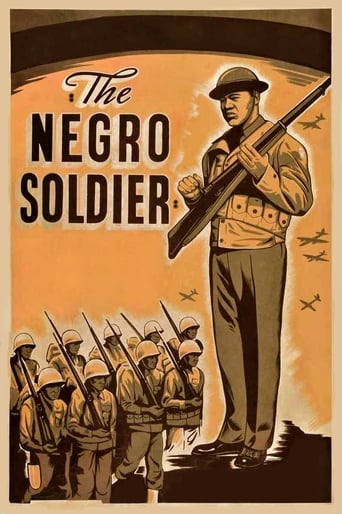
- The Negro Soldier (1944)
- Tuskegee Airmen documentaries
- Post-war civil rights documentaries
- Government films on racial harmony
- Agricultural documentaries of the 1940s
Film restoration
The film is preserved in the National Archives and Records Administration collection. It has been digitized and is available through the Internet Archive and various educational film archives. The original 35mm nitrate elements have been transferred to safety film, and a digital restoration was completed in the early 2000s as part of the Office of War Information film preservation project. The film remains in good condition with clear image and sound quality, making it accessible for modern viewing and study.
Where to watch
- Internet Archive (free streaming)
- National Archives website
- Library of Congress digital collections
- University film archives with documentary collections
- Educational film distributors specializing in historical documentaries
- Some public library streaming services
- Museum of Modern Art film collection screenings