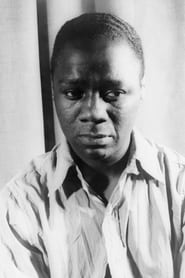
Canada Lee
Actor
Born: March 3, 1907 in New York City, New York, USA Died: May 9, 1952 Active: 1936-1952 Birth Name: Leonard Lionel Cornelius Canegata
Films
1 film
About Canada Lee
Canada Lee, born Leonard Lionel Cornelius Canegata, was an African American actor who broke significant racial barriers in Hollywood during the 1940s. He began his career as a concert violinist and professional boxer before discovering his passion for acting, making his Broadway debut in 1936. Lee quickly gained recognition for his powerful performances in productions like 'Native Son' and 'Stevedore,' establishing himself as talented Black actors of his generation. His film career included memorable roles in Alfred Hitchcock's 'Lifeboat' (1944), 'Body and Soul' (1947), and 'Lost Boundaries' (1949), where he consistently brought dignity and depth to characters that challenged racial stereotypes. Beyond his artistic achievements, Lee — passionate civil rights activist who used his platform to advocate for racial equality and social justice. His activism during the McCarthy era led to his blacklisting by Hollywood studios, severely limiting his career opportunities in his final years. Lee died of a heart attack on May 9, 1952, at age 45, leaving behind a legacy as both a performer and a courageous advocate for civil rights.
The Craft
On Screen
Canada Lee was known for his naturalistic, emotionally intense acting style that brought remarkable dignity and depth to every character. He rejected the caricatures and stereotypes commonly assigned to Black actors of his era, instead portraying complex, fully realized human beings. His performances were characterized by a quiet intensity and powerful presence that commanded attention without resorting to theatrics. Lee had a unique ability to convey deep emotion through subtle gestures and facial expressions, making his characters feel authentic and relatable. His background as a musician and athlete contributed to his physical expressiveness and rhythm in performance.
Milestones
- Broadway debut in 'Stevedore' (1936)
- Starred in stage adaptation of 'Native Son' (1941)
- Breakthrough film role in Alfred Hitchcock's 'Lifeboat' (1944)
- Critically acclaimed performance in 'Body and Soul' (1947)
- Civil rights activism leading to blacklisting during McCarthy era
- roles that challenged racial stereotypes in Hollywood
Best Known For
Iconic Roles
Must-See Films
Accolades
Won
- Theatre World Award for 'Native Son' (1941)
- New York Drama Critics' Circle Award for 'Native Son' (1941)
Nominated
- Academy Award nomination consideration for 'Lifeboat' (supporting category, though not officially nominated due to racial barriers)
Special Recognition
- Inducted into the Black Filmmakers Hall of Fame (1976, posthumous)
- NAACP Special Recognition Award for Civil Rights Activism (posthumous)
- Theater Hall of Fame induction (posthumous)
Working Relationships
Worked Often With
Studios
Why They Matter
Impact on Culture
Canada Lee's impact on American cinema and culture was profound and far-reaching, particularly in breaking down racial barriers in Hollywood. As one of the first African American actors to achieve mainstream success without compromising his dignity or perpetuating harmful stereotypes, Lee paved the way for future generations of Black performers. His roles consistently challenged the limited and demeaning caricatures that Hollywood typically assigned to African American actors, instead presenting complex, fully realized human beings. Lee's activism extended beyond the screen, as he used his growing fame to advocate for civil rights and racial equality in America. His blacklisting during the McCarthy era highlighted the intersection of racial discrimination and political persecution in mid-20th century America. Lee's career demonstrated both the possibilities and limitations for African American artists in his time, while his unwavering commitment to principle over profit set a powerful example for future generations.
Lasting Legacy
Canada Lee's legacy endures as that of a trailblazer who refused to be confined by the racial limitations of his era. He opened doors for African American actors in Hollywood, proving that Black performers could carry major roles with dignity and complexity. His work helped establish a new standard for African American representation in film, moving away from minstrel stereotypes toward authentic, humanized portrayals. Lee's courage in confronting racism both within and outside the entertainment industry inspired future generations of artists and activists. Though his career was cut short by blacklisting, his influence can be seen in the careers of actors like Sidney Poitier, Harry Belafonte, and Denzel Washington. Today, Lee is remembered not only as a talented performer but as a courageous civil rights pioneer who used his art as a vehicle for social change.
Who They Inspired
Canada Lee influenced countless actors and filmmakers who followed him, particularly African American artists seeking to break free from stereotypical roles. His naturalistic acting style and refusal to compromise his artistic integrity set a new standard for Black performers in Hollywood. Lee's success in both classical theater and film demonstrated the versatility and range that African American actors could achieve, challenging industry prejudices. His political activism and willingness to risk his career for his principles inspired later generations of artists to use their platforms for social justice. Directors like Gordon Parks and Melvin Van Peebles drew inspiration from Lee's ability to create meaningful, socially conscious cinema. The dignity and depth he brought to every performance became a model for actors seeking to portray authentic, complex African American characters on screen.
Off Screen
Canada Lee was married twice and had one son. His first marriage to Juanita Waller lasted from 1925 to 1945, during which they had their son Carl Vincent Lee. In 1946, he married actress Frances Foster, who remained his wife until his death. Lee was deeply involved in civil rights activism throughout his career, working closely with organizations like the NAACP and the Civil Rights Congress. His political activism and friendships with suspected communists during the Red Scare led to FBI surveillance and ultimately contributed to his blacklisting by Hollywood studios. Despite these challenges, Lee remained committed to both his art and his principles until his death.
Education
Self-taught actor with formal training in violin at the age of 7, attended public schools in New York City
Family
- Juanita Waller (1925-1945)
- Frances Foster (1946-1952)
Did You Know?
- Born Leonard Lionel Cornelius Canegata but changed his name to Canada Lee after a boxing promoter suggested it
- Was a professional boxer with a record of 33 wins, 3 losses, and 2 draws before turning to acting
- Began his career as a concert violinist, performing at Carnegie Hall at age 12
- Was the first African American actor to play a leading role in a major Hollywood film without using stereotypical mannerisms
- His role in 'Lifeboat' was as he shared equal billing with white actors in a Hitchcock film
- Was investigated by the FBI for his political activities and civil rights work
- His blacklisting prevented him from playing the lead in the film adaptation of 'Native Son', a role he had created on stage
- Died while preparing to testify before the House Un-American Activities Committee
- His son Carl Vincent Lee also became an actor, appearing in films like 'Superfly' (1972)
- Was a close friend and collaborator with Paul Robeson, another African American actor and activist
In Their Own Words
I don't want to be a great Negro actor, I want to be a great actor
An actor's job is to interpret life, not to imitate it
The only way to get rid of discrimination is to get rid of the people who discriminate
I would rather be a poor man with dignity than a rich man without it
Art is not a mirror held up to reality but a hammer with which to shape it
When you're black, you have to be twice as good to get half as far
Frequently Asked Questions
Who was Canada Lee?
African American with credits in this catalog. Born Leonard Lionel Cornelius Canegata, he became known for his dignified portrayals that challenged stereotypes and his passionate advocacy for racial equality.
What films is Canada Lee best known for?
Titles linked here include Lifeboat (1944), Body and Soul (1947).
When was Canada Lee born and when did he die?
Born March 3, 1907; died May 9, 1952.
What awards did Canada Lee win?
Canada Lee won the Theatre World Award and New York Drama Critics' Circle Award for his performance in 'Native Son' on Broadway. He was posthumously inducted into the Black Filmmakers Hall of Fame and received special recognition from the NAACP for his civil rights activism.
What was Canada Lee's acting style?
Canada Lee was known for his naturalistic, emotionally intense acting style that brought remarkable dignity to his characters. He rejected stereotypes and portrayed complex, fully realized human beings with subtle gestures and powerful presence.
Why was Canada Lee blacklisted?
Canada Lee was blacklisted during the McCarthy era due to his civil rights activism and alleged communist sympathies. His involvement with progressive organizations and refusal to cooperate with the House Un-American Activities Committee led to FBI surveillance and professional ostracism.
What was Canada Lee's impact on civil rights?
Canada Lee used his fame as a platform for civil rights advocacy, working closely with the NAACP and other organizations. He challenged racism in Hollywood and society at large, paving the way for future generations of African American performers and activists.