Axel Stordahl
Actor
Born: August 8, 1913 in Staten Island, New York, USA Died: August 30, 1963 Active: 1935-1963
Films
1 film
About Axel Stordahl
American music arranger and conductor who became figures in popular music during the mid-20th century. Born in 1913, he rose to prominence as Frank Sinatra's primary arranger during the singer's Columbia Records period from 1943 to 1952, crafting the sophisticated orchestral sound that defined Sinatra's early solo career. Stordahl's innovative arrangements blended classical influences with popular music, creating lush, romantic orchestrations that perfectly complemented Sinatra's vocal style. Beyond his work with Sinatra, he arranged for numerous other major artists including Tommy Dorsey, Jo Stafford, and Perry Como. He transitioned into film and television work, serving as musical director for various productions and contributing to the soundtracks of several Hollywood films. His screen career spanned the swing era through the early 1960s, during which he helped shape the sound of American popular music. Stordahl died in 1963 at the age of 50, leaving behind a legacy of influential arrangements that continue to be studied and admired by musicians and arrangers.
The Craft
Milestones
- Became Frank Sinatra's primary arranger at Columbia Records (1943-1952)
- Arranged Sinatra's hit recordings including 'Night and Day' and 'I've Got the World on a String'
- Served as musical director for The Frank Sinatra Show on television
- Worked with Tommy Dorsey Orchestra as arranger
- Created arrangements for over 200 Sinatra recordings
Best Known For
Iconic Roles
Must-See Films
Accolades
Won
- Academy Honorary Award for The House I Live In (1945) - as part of the musical team
Special Recognition
- Inducted into the Songwriters Hall of Fame (posthumously recognized for arranging contributions)
Working Relationships
Worked Often With
Studios
Why They Matter
Impact on Culture
Axel Stordahl fundamentally shaped the sound of American popular music in the 1940s and 1950s through his innovative orchestral arrangements. His work with Frank Sinatra helped establish the template for the modern pop ballad, blending classical string arrangements with jazz-influenced rhythms. Stordahl's sophisticated, romantic style influenced generations of arrangers and helped elevate popular music to an art form. His arrangements on Sinatra's early recordings created the intimate, conversational vocal style that became Sinatra's trademark and influenced countless male vocalists who followed. The lush, cinematic quality of his work helped bridge the gap between popular music and classical orchestration, paving the way for more complex and ambitious popular music productions.
Lasting Legacy
Axel Stordahl's legacy endures through the hundreds of recordings he arranged, many of which remain standards of the Great American Songbook. His arrangements continue to be performed and recorded by contemporary artists, testament to their timeless quality. Music scholars and arrangers study his work for its innovative use of orchestration and its perfect balance between supporting the vocalist and creating independent musical interest. Stordahl is credited with helping create the concept album format through his work on Sinatra's thematic recordings. His influence can be heard in the work of later arrangers like Nelson Riddle and Gordon Jenkins, who built upon his foundations. The sophisticated, romantic sound he pioneered became synonymous with the golden age of American popular music.
Who They Inspired
Stordahl influenced numerous arrangers and conductors who followed, particularly Nelson Riddle, who succeeded him as Sinatra's primary arranger. His approach to orchestral arranging in popular music set new standards for complexity and sophistication. Many contemporary arrangers cite his work as foundational to their understanding of how to blend orchestral elements with popular music. His arrangements demonstrated how classical techniques could be adapted for popular music without losing accessibility or emotional impact. The intimate vocal style he helped create with Sinatra influenced generations of male singers who sought to emulate Sinatra's conversational delivery.
Off Screen
Axel Stordahl married singer June Hutton in 1951, who was part of the vocal group The Pied Pipers and had previously worked with Sinatra. The couple had one daughter together. Stordahl was known for his quiet, professional demeanor and his dedication to musical perfection. Despite his significant contributions to popular music, he remained relatively private throughout his career, preferring to let his musical arrangements speak for themselves. His marriage to Hutton lasted until his death in 1963.
Education
Self-taught musician, studied trumpet and arrangement techniques informally
Family
- June Hutton (1951-1963)
Did You Know?
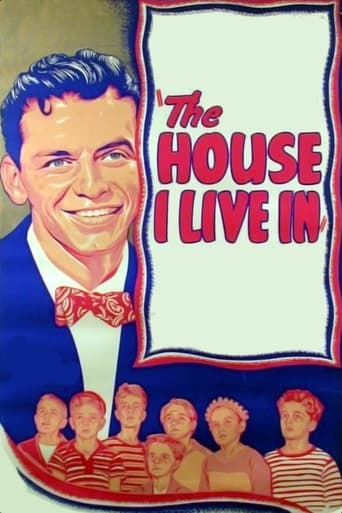
- Though credited as an actor in The House I Live In, he actually served as the musical arranger and conductor for Sinatra's performance
- He arranged over 200 songs for Frank Sinatra during their Columbia Records partnership
- Stordahl originally played trumpet before focusing on arranging
- He was one of the first arrangers to use strings extensively in popular music recordings
- His arrangement of 'Night and Day' became one of Sinatra's signature recordings
- Stordahl's work helped establish the 'concept album' format through Sinatra's themed recordings
- He rarely gave interviews, preferring to remain behind the scenes
- His arrangements were so distinctive that Sinatra initially struggled to adapt to other arrangers' styles
- Stordahl's last work with Sinatra was on the 1962 album 'Point of No Return'
- He died of a heart attack at age 50, cutting short a prolific career
In Their Own Words
The arrangement should never overshadow the song or the singer - it should enhance both.
Music is emotion first, technique second. Without feeling, the most perfect arrangement is meaningless.
Frequently Asked Questions
Who was Axel Stordahl?
American music arranger and conductor, best known as Frank Sinatra's primary arranger during his Columbia Records years from 1943 to 1952. He created the sophisticated orchestral sound that defined Sinatra's early solo career and arranged hundreds of hit recordings for major artists.
What films is Axel Stordahl best known for?
Titles linked here include The House I Live In (1945) - as musical arranger/conductor.
When was Axel Stordahl born and when did he die?
Born August 8, 1913; died August 30, 1963.
What awards did Axel Stordahl win?
Stordahl received an Academy Honorary Award as part of the creative team for 'The House I Live In' (1945). He has also been posthumously recognized by the Songwriters Hall of Fame for his contributions to music arranging and orchestration in popular music.
What was Axel Stordahl's arranging style?
Stordahl's arranging style was characterized by lush, romantic orchestrations that blended classical influences with popular music. He was known for his sophisticated use of strings, creating intimate, cinematic arrangements that perfectly complemented vocalists while maintaining their own musical interest. His work helped establish the template for the modern pop ballad.