No Poster
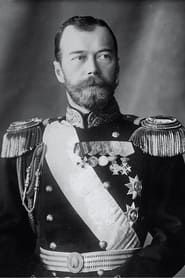
Czar Nicholas II of Russia
Actor
Born: May 18, 1868 in Tsarskoye Selo, Russian Empire Died: July 17, 1918 Active: 1901-1901 Birth Name: Nikolai Aleksandrovich Romanov
Films
2 films
About Czar Nicholas II of Russia
Nicholas II was the last Emperor of Russia, ruling from 1894 until his forced abdication in 1917 during the Russian Revolution. Born into the Romanov dynasty, he ascended to the throne following his father's death and inherited a vast empire facing numerous challenges. His reign was marked by significant events including the Russo-Japanese War, the 1905 Revolution, and ultimately World War I, which proved disastrous for Russia. Nicholas was known for his dedication to autocracy and his deep family life with wife Alexandra Feodorovna and their five children. His brief appearance in early cinema came through documentary newsreel footage capturing his state visits and public appearances, rather than any acting career. After his abdication during the February Revolution, he and his family were held captive and eventually executed by Bolshevik forces in July 1918, bringing an end to the Romanov dynasty's 300-year rule.
The Craft
On Screen
Not applicable - appeared only in documentary footage as himself, displaying formal imperial demeanor appropriate to his role as head of state
Milestones
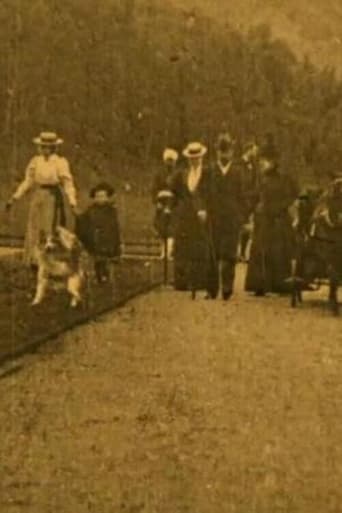
- Documented state visit to Denmark (1901)
- Early newsreel appearances as ruling monarch
- One of the first world leaders captured on film
- Footage preserved in early cinema archives
Best Known For
Iconic Roles
Must-See Films
Accolades
Special Recognition
- Order of St. Andrew
- Order of the Golden Fleece
- Order of the Black Eagle
- Order of the Elephant
- Royal Victorian Chain
- Legion of Honour
Why They Matter
Impact on Culture
Nicholas II's appearance in early documentary footage represents a significant milestone in cinema history, capturing one of the world's most powerful monarchs during the dawn of filmmaking. These early newsreels provided unprecedented public access to royal imagery, helping to democratize the visual representation of power structures. His filmed appearances, though brief, became historical documents that preserved the pageantry and protocol of imperial Russia for future generations. The tragic end of his reign and the subsequent revolution made these films particularly valuable as they represent the last visual records of Russia's imperial era. His story has inspired numerous films, books, and documentaries, cementing his place in both political and cultural history.
Lasting Legacy
Nicholas II's legacy in cinema is primarily as a historical subject rather than a performer, with his documentary appearances serving as important artifacts of early film history. These recordings provide invaluable visual documentation of imperial Russian court life and state ceremonies that would otherwise exist only in written accounts. His films have become essential primary sources for historians studying the late imperial period and the transition from monarchy to revolution. The preservation of these early newsreels has ensured that future generations can witness the visual reality of Russia's last tsar, making him an inadvertent but important figure in cinema's development as a medium for historical documentation. His story continues to fascinate filmmakers and audiences, resulting in numerous dramatic interpretations of his life and reign.
Who They Inspired
As a documentary subject rather than an actor, Nicholas II's influence on cinema lies in the realm of historical documentation rather than artistic performance. His appearances in early newsreels helped establish the practice of filming heads of state and important political events, a tradition that continues in modern journalism and documentary filmmaking. The tragic circumstances of his life and death have influenced countless filmmakers to explore themes of power, revolution, and family tragedy in dramatic works. His story has contributed to the development of the historical drama genre, with numerous films and series attempting to capture the complexity of his reign and the dramatic end of the Romanov dynasty.
Off Screen
Nicholas II married Princess Alix of Hesse-Darmstadt (later known as Alexandra Feodorovna) in 1894. Their marriage was notably loving and devoted by royal standards, producing five children: Olga, Tatiana, Maria, Anastasia, and Alexei. The family's life was marked by tragedy, particularly their son Alexei's hemophilia and Alexandra's reliance on the mystic Rasputin. Despite his public duties, Nicholas was a devoted family man who preferred simple domestic life to court ceremonies. The family spent much of their time at the Alexander Palace in Tsarskoye Selo, maintaining a relatively private existence until the revolution forced them into captivity.
Education
Received private education from tutors including Konstantin Pobedonostsev; studied law, economics, and military science; trained as a military officer
Family
- Alexandra Feodorovna (1894-1918)
Did You Know?
- Nicholas II was one of the first reigning monarchs to be captured on motion picture film
- His 1901 visit to Denmark was part of regular family visits to his Danish relatives (his mother was Danish princess Dagmar)
- The film was shot by early Danish filmmaker Peter Elfelt, a pioneer of Scandinavian cinema
- Newsreel footage of Nicholas II was shown across Europe and America, making him
- His cousin was King George V of Britain, and their resemblance was so striking they could often be mistaken for each other
- Nicholas was an avid amateur photographer and took many photographs of his family
- He was the first Russian monarch to travel by automobile and airplane
- His coronation ceremony in 1896 was also filmed, making it one of the earliest recorded coronations
- The Romanov family's execution was filmed by Soviet authorities, though the footage has never been definitively found
- Nicholas spoke fluent Russian, English, French, German, and Danish
In Their Own Words
"I am not yet ready to be Tsar. I know nothing of the business of ruling." - Said to his father before ascending the throne
"I shall preserve the principles of autocracy as firmly and unswervingly as did my late father." - From his coronation speech
"Our task is not to lead Russia, but to serve her." - Private reflection on his role as Tsar
"A sovereign's first duty is to his people and his country, not to himself." - From correspondence with advisors
Frequently Asked Questions
Who was Czar Nicholas II of Russia?
Nicholas II was the last Emperor of Russia, ruling from 1894 until his abdication in 1917. He was the final ruler of the Romanov dynasty, which had governed Russia for over 300 years, and was executed along with his family by Bolshevik revolutionaries in 1918.
What films is Nicholas II best known for?
Titles linked here include The Emperor of Russia's Arrival in Elsinore (1901).
When was Nicholas II born and when did he die?
Born May 18, 1868; died July 17, 1918.
What awards did Nicholas II receive?
As a monarch, Nicholas II received numerous royal honors and orders including the Order of St. Andrew, Order of the Golden Fleece, Order of the Black Eagle, Order of the Elephant, Royal Victorian Chain, and Legion of Honour from various countries.
What was Nicholas II's role in early cinema?
Nicholas II was not an actor but appeared in early documentary newsreel footage, making him one of the first world leaders captured on film. These recordings documented his official duties and state visits, serving as important historical artifacts rather than entertainment.