James P. Johnson
Actor
Born: February 1, 1894 in New Brunswick, New Jersey, USA Died: November 17, 1955 Active: 1910s-1955 (musical career), 1929-1930s (film appearances) Birth Name: James Price Johnson
Films
1 film
About James P. Johnson
African American pianist and composer who revolutionized jazz piano with his development of the stride piano style. Born in New Brunswick, New Jersey, he began playing piano at a young age and quickly mastered the ragtime style before evolving it into what became known as stride piano. His screen career spanned the 1910s through the 1950s, during which he composed some of the most songs of the Jazz Age, including 'The Charleston,' which became synonymous with the Roaring Twenties. Johnson appeared in early sound films, most notably 'St. Louis Blues' (1929), where he showcased his remarkable piano skills to wider audiences. Beyond his popular compositions, he also created serious orchestral works like 'Yamekraw: A Negro Rhapsody,' which premiered at Carnegie Hall in 1928. Despite facing significant racial barriers throughout his career, Johnson's technical mastery and innovative approach to piano playing established him as musicians of the early 20th century. He mentored numerous younger musicians, most famously Fats Waller, and his influence can still be heard in jazz piano playing today.
The Craft
On Screen
Limited film appearances, primarily appearing as himself to showcase his extraordinary piano talents in early musical shorts and sound films
Milestones
- Developed and popularized the stride piano style
- Composed 'The Charleston' which became the anthem of the Roaring Twenties
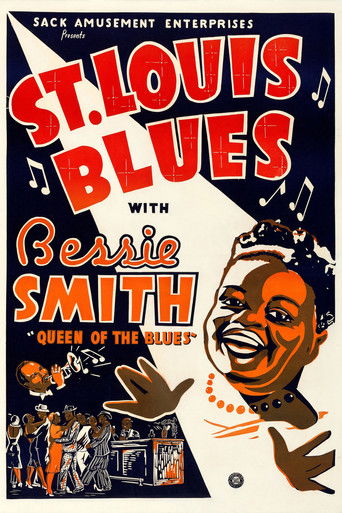
- Appeared in the early sound film 'St. Louis Blues' (1929)
- Composed 'Yamekraw: A Negro Rhapsody' which premiered at Carnegie Hall
- Mentored Fats Waller, who became one of jazz's most famous pianists
- Recorded extensively for major labels including Okeh, Columbia, and Bluebird
- Bridged the gap between ragtime and jazz piano styles
- Created symphonic works that blended jazz and classical traditions
Best Known For
Iconic Roles
Must-See Films
Accolades
Special Recognition
- Inducted into the Songwriters Hall of Fame (1970, posthumous)
- Inducted into the Jazz Hall of Fame
- Recognized as the 'Father of Stride Piano' in jazz history
- His compositions are preserved as standards in the American songbook
Working Relationships
Worked Often With
Studios
Why They Matter
Impact on Culture
James P. Johnson's stride piano technique revolutionized jazz piano playing and influenced countless musicians across multiple generations. His composition 'The Charleston' became an international phenomenon that defined the cultural zeitgeist of the Jazz Age, transcending racial barriers and becoming a global dance craze. Johnson helped establish the piano as a solo instrument in jazz, elevating it from its role as merely an accompaniment instrument. His work in early sound films helped bring African American musical talent to mainstream audiences during a time of severe segregation in the entertainment industry. Johnson's ability to bridge popular music with classical compositions challenged prevailing notions about the capabilities of African American musicians and composers.
Lasting Legacy
James P. Johnson is remembered as the 'Father of Stride Piano' and. His compositions have become enduring standards that continue to be recorded and performed by artists across multiple genres. The stride piano technique he pioneered became foundational to jazz piano playing and influenced virtually every jazz pianist who followed. Johnson's success in composing both popular hits and serious orchestral works paved the way for future African American composers to cross genre boundaries. His legacy lives on not only through his recordings and compositions but through the countless musicians he directly influenced, most notably Fats Waller. Today, music historians recognize Johnson as a crucial link between ragtime and modern jazz, and his contributions to American music are celebrated as equal in importance to those of more widely known contemporaries.
Who They Inspired
Johnson's influence on jazz piano is immeasurable, with his stride technique becoming the standard approach for jazz pianists throughout the swing era. His left-hand pattern of alternating bass notes and chords created a rhythmic foundation that allowed for greater melodic and harmonic freedom in the right hand. This technique directly influenced pianists from Art Tatum to Thelonious Monk and continues to be taught to jazz students today. His compositional style, which blended ragtime syncopation with blues harmonies and classical forms, influenced composers from George Gershwin to Duke Ellington. Johnson's success in both popular and classical spheres demonstrated that African American musicians could excel in any musical genre, inspiring future generations to break down musical and racial barriers.
Off Screen
James P. Johnson was married twice and had children. He faced significant racial discrimination throughout his career but persevered to become. Despite his fame and talent, he often struggled financially due to the systemic barriers facing African American artists in the early 20th century. He continued performing and composing even after suffering a debilitating stroke in 1940, demonstrating his dedication to his art until his death in 1955.
Education
Primarily self-taught as a musician, though he received some formal training and learned extensively from other musicians in the Harlem jazz scene of the 1910s and 1920s
Family
- Lillie May Wright (1915-1925)
- Anita Johnson (1926-1955)
Did You Know?
- He composed 'The Charleston' in 1923, though it didn't become famous until it was featured in the Broadway show 'Runnin' Wild' the following year
- He was left-handed but played piano with his right hand handling the complex melodies while his left provided the signature stride rhythm
- His stride piano technique required incredible physical stamina, often described as an athletic approach to piano playing
- He could play in multiple styles including classical, ragtime, blues, and jazz with equal mastery
- Despite his fame, Johnson often had to work as a silent movie theater pianist to supplement his income
- He was one of the first African American composers to have works performed by major symphony orchestras
- His home in Harlem was a gathering place for musicians, where he would host jam sessions that lasted for hours
- He continued performing and teaching even after a 1940 stroke left his left side partially paralyzed
- Many of his early recordings were made under pseudonyms because record companies limited how many records a single artist could release
- His influence extended beyond jazz to classical music, with composers like George Gershwin acknowledging his impact
In Their Own Words
The piano is a whole orchestra in itself - you can make it sound like anything you want
Stride piano isn't just a technique, it's a way of thinking about music - you have to keep the rhythm going while telling a story with the melody
Music doesn't have any color - it's either good or it isn't
Frequently Asked Questions
Who was James P. Johnson?
African American pianist and composer known as the 'Father of Stride Piano.' He composed 'The Charleston' and appeared in early sound films including 'St. Louis Blues' (1929), bridging the gap between ragtime and jazz while influencing generations of musicians.
What films is James P. Johnson best known for?
Titles linked here include St. Louis Blues (1929), The Blues (1929).
When was James P. Johnson born and when did he die?
Born February 1, 1894; died November 17, 1955.
What awards did James P. Johnson win?
While James P. Johnson did not receive major film awards during his lifetime, he was posthumously inducted into the Songwriters Hall of Fame in 1970 and the Jazz Hall of Fame. His lasting recognition comes from his immense influence on jazz piano and American popular music rather than formal awards.
What was James P. Johnson's musical style?
Johnson pioneered the stride piano style, characterized by a left-hand technique that alternated between single bass notes and full chords on beats one and three, while the right hand played complex melodies and improvisations. This created a rich, orchestral sound that became the foundation of jazz piano.
How did James P. Johnson influence jazz?
Johnson revolutionized jazz piano by developing stride technique, which became the standard approach for decades. He mentored Fats Waller and influenced countless pianists from Art Tatum to Thelonious Monk. His compositions, especially 'The Charleston,' defined the sound of the Jazz Age and became enduring standards in American music.
What was James P. Johnson's connection to 'The Charleston'?
Johnson composed 'The Charleston' in 1923, and it became an international phenomenon after being featured in the Broadway show 'Runnin' Wild.' The song and its associated dance became synonymous with the Roaring Twenties and remains.
Who were James P. Johnson's famous students?
Fats Waller was Johnson's most famous and dedicated student, studying with him extensively and developing his own style based on Johnson's stride technique. Waller often credited Johnson as his primary influence and mentor in developing his legendary piano skills.