St. Louis Blues
"Heartbreak set to twelve bars"
Keys: Space play/pause · ←/→ 10s · F fullscreen · M mute · </> speed
About this film
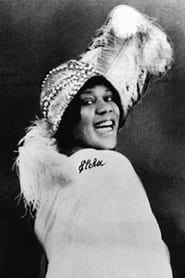
Bessie Smith, as a wronged lover, sings the blues after her gambler man leaves her for another woman. The two-reel Vitaphone short pairs her voice with chorus and dance in an all-Black cast.
Cast & crew
More films like this
More Music films
View all →
More from Dudley Murphy
View all →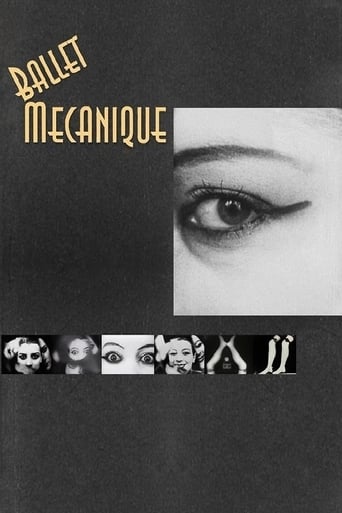


More about this film
About the production
Release dateDecember 19, 1929
Box officeUnknown - shorts were typically packaged with features
ProductionColumbia Pictures, RKO Radio Pictures
Filmed inNew York City, New York
This was one of the earliest films to feature an all-Black cast in a sound production. The film was shot in just a few days at Columbia's studios in New York. Dudley Murphy, who had previously co-directed 'Ballet Mécanique' with Fernand Léger, brought an experimental sensibility to the musical format. The production was notable for its authentic representation of Black culture and music, avoiding the minstrel stereotypes common in films of the period.
Themes
Heartbreak and betrayalThe healing power of musicAfrican American cultural expressionGender and relationships in the jazz ageThe blues as emotional catharsis
Themes & topics
blues singerinfidelitymusical performanceheartbreakjazz ageHarlem Renaissanceall-Black castshort filmsound filmmusical drama
Historical background
St. Louis Blues (1929) belongs to early sound-era race films made outside Hollywood's main marketing channels.
Why this film matters
It preserves Smith's performance at the height of her fame and documents blues on early sound film.
Making of
The making of 'St. Louis Blues' represented a significant moment in early cinema history, as it was one of the first films to authentically capture African American musical performance on screen. Director Dudley Murphy, who had previously worked with avant-garde artists, approached the project with artistic ambition rather than mere exploitation. The film was shot in New York rather than Hollywood, partly to access the authentic jazz talent available there. Bessie Smith, despite her enormous success as a recording artist, was initially hesitant about appearing in film, as many Black performers were wary of how they would be portrayed. The production team worked to create an environment that respected her artistry and allowed her to perform naturally. The choreography and musical arrangements were kept relatively simple to showcase Smith's powerful voice and emotional delivery. The film's crew included several Black technicians and musicians, which was unusual for the time and contributed to its authentic feel.
What critics said
Contemporary Black press celebrated Smith's presence; later critics value it as rare filmed evidence of her art.
Did you know?
- This is the only known film appearance of Bessie Smith, the 'Empress of the Blues,' making it an invaluable historical document of her performance style
- The film was based on W.C. Handy's 1914 song 'St. Louis Blues,' which became among the leading recorded songs in history
- James P. Johnson, who appears in the film, was a pioneering jazz pianist known as the 'Father of Stride Piano'
- The film was produced during the transition from silent to sound cinema, capturing the excitement and experimentation of early musical films
- Despite Bessie Smith's massive popularity as a recording artist, she was paid only $1,500 for this film appearance
- The film features an early example of diegetic music, where the music is part of the story rather than background score
- The chorus girls in the film were members of the Cotton Club chorus, adding authenticity to the Harlem jazz scene representation
- The film was considered lost for decades before being rediscovered and restored by film preservationists
- Director Dudley Murphy was a white filmmaker who was unusual for his time in his respectful and authentic portrayal of Black culture
- The film was part of a series of musical shorts produced by Columbia to showcase popular music artists of the day
Visual style
The cinematography of 'St. Louis Blues' was handled by cinematographer Joseph Walker, who would later become famous for his work on Frank Capra films. The film uses relatively static camera positions typical of early sound productions, when cameras were often confined to soundproof booths. However, Walker manages to create visual interest through careful composition and lighting that highlights the emotional content of Smith's performance. The film employs dramatic lighting to emphasize the mood of each scene, with darker, more shadowed lighting during the moments of heartbreak and brighter lighting during the musical performance. The camera work during the musical numbers shows some experimentation, with occasional close-ups of Smith's face to capture the emotional intensity of her singing.
Innovations
As an early sound film, 'St. Louis Blues' represents the technical challenges and innovations of the transition from silent to sound cinema. The film was recorded using the sound-on-disc system rather than sound-on-film, which was common in early Columbia productions. The recording engineers had to carefully balance Smith's powerful voice with the accompanying music without the benefit of modern mixing technology. The film demonstrates early attempts at synchronizing musical performance with visual storytelling, a challenge that would define the musical genre for decades to come. The production team had to work around the limitations of early sound recording equipment, including the need for performers to stay relatively close to microphones hidden on set. Despite these technical constraints, the film succeeds in capturing a natural and authentic musical performance.
Music
The soundtrack centers around Bessie Smith's powerful rendition of W.C. Handy's 'St. Louis Blues,' which she had first recorded in 1925. The film's arrangement stays true to the blues tradition while adapting it for the film medium. James P. Johnson provides piano accompaniment, showcasing his innovative stride piano style. The film also features a chorus of background singers and dancers who contribute to the musical texture. The sound quality, while primitive by modern standards, captures the raw power and emotional depth of Smith's voice in a way that her studio recordings sometimes filtered out. The music serves not just as entertainment but as narrative device, conveying the story's emotional arc through the blues tradition of transforming suffering into art.
Famous quotes
I've got the St. Louis Blues, just as blue as I can be
That man's got a heart like a rock cast into the sea
He's got a mortgage on my body and a lien on my soul
I hate to see the evening sun go down
Memorable scenes
- The opening scene where Bessie Smith discovers her lover's betrayal, conveying heartbreak through subtle facial expressions and body language
- The powerful musical performance where Smith transforms her pain into art, singing 'St. Louis Blues' with raw emotional intensity
- The final scene where the chorus of dancers and musicians join Smith, creating a communal celebration of blues music as healing and resistance
What audiences thought
The film was well-received by both Black and white audiences upon its release, though it was primarily shown in urban theaters with significant Black populations. Many African American viewers appreciated seeing authentic representation of their culture on screen, while white audiences were exposed to genuine blues performance for the first time. The film was particularly popular in Harlem and other urban centers with active jazz scenes. Over time, as Bessie Smith's legend grew, the film became increasingly sought after by music and film enthusiasts. Today, it is considered a must-see for anyone interested in the history of blues music or early American cinema, and screenings at film festivals and museums consistently draw enthusiastic crowds.
Film connections
Influenced by
- W.C. Handy's original 'St. Louis Blues' composition
- African American blues and oral traditions
- Harlem Renaissance cultural movement
- Early jazz and blues recordings
- African American theatrical traditions
This film influenced
- The Emperor Jones (1933)
- Stormy Weather (1943)
- Cabin in the Sky (1943)
- Lady Sings the Blues (1972)
- The Color Purple (1985)
Film restoration
The film was considered lost for many years but was rediscovered and restored in the 1990s. A 35mm print exists in the Library of Congress collection, and the film has been digitally restored for modern viewing. The restoration work has preserved both the visual and audio elements, though some degradation is evident due to the age of the original materials. The restored version is now considered among the pivotal surviving examples of early African American cinema.
Where to watch
- The Criterion Channel
- Kino Lorber DVD collections
- Library of Congress National Audio-Visual Conservation Center
- Museum of Modern Art film collection
- UCLA Film & Television Archive
- Various film festival retrospectives and special screenings