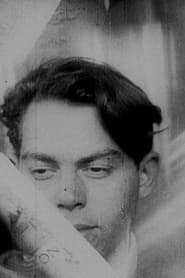
Dudley Murphy
Actor & Director
Born: August 10, 1897 in Boston, Massachusetts, United States Died: February 22, 1955 Active: 1922-1933 Birth Name: Dudley Bernard Murphy
Films
5 films


About Dudley Murphy
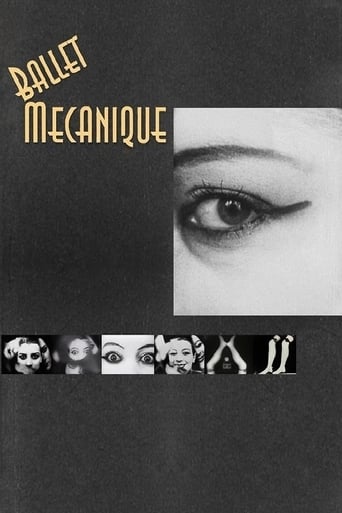
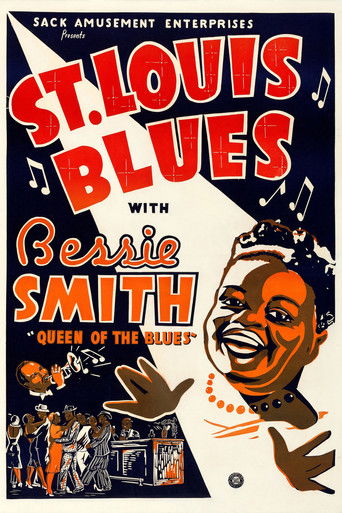
Innovative American film director and experimental filmmaker who in the development of avant-garde cinema during the 1920s and early 1930s. Born in 1897, Murphy began his career as a journalist before transitioning to filmmaking, where he quickly gained recognition for his bold visual style and willingness to experiment with new cinematic techniques. His most celebrated early work, Ballet Mécanique (1924), was created in collaboration with artist Fernand Léger and composer George Antheil, representing a landmark achievement in abstract cinema. Murphy was particularly notable for his progressive approach to racial representation in American cinema, directing films like St. Louis Blues (1929) featuring Bessie Smith and The Emperor Jones (1933) starring Paul Robeson, which were among the first major Hollywood productions to feature African American performers in leading roles. Despite his significant contributions to early cinema, Murphy's career was relatively brief, spanning roughly a decade from 1922 to 1933, after which he largely withdrew from the film industry. His work, however, continues to be studied by film scholars for its artistic innovation and social significance.
The Craft
On Screen
While Murphy primarily worked behind the camera, his appearances in experimental films like Ballet Mécanique demonstrated his understanding of avant-garde performance techniques. His approach to acting in these contexts emphasized movement and visual composition over traditional narrative performance, reflecting his broader artistic philosophy of cinema as a visual medium.
Behind the Camera
Murphy's directing style was characterized by its experimental nature, innovative visual techniques, and willingness to push cinematic boundaries. He was known for his dynamic camera movements, rhythmic editing, and integration of music with visual imagery. His work often blended documentary realism with artistic abstraction, particularly in his musical films where he sought to create visual representations of musical rhythms. Murphy demonstrated a progressive social consciousness in his casting choices and subject matter, particularly in his treatment of African American performers and themes.
Milestones
- Directed Ballet Mécanique (1924), a seminal work of avant-garde cinema
- Collaborated with Fernand Léger on experimental films
- Directed St. Louis Blues (1929), one of the first all-Black cast talkies
- Made The Emperor Jones (1933) with Paul Robeson, breaking racial barriers in Hollywood
- Created Danse macabre (1922), his early experimental work
- Directed Black and Tan (1929) featuring Duke Ellington
Best Known For
Iconic Roles
Must-See Films
Accolades
Special Recognition
- Retrospective screenings at major film festivals
- Cited in film history texts as a pioneer of avant-garde cinema
- Works preserved in the Library of Congress National Film Registry
Working Relationships
Worked Often With
Studios
Why They Matter
Impact on Culture
Dudley Murphy's cultural impact extends far beyond his relatively brief film career, as he was instrumental in introducing avant-garde European artistic sensibilities to American cinema. His experimental films, particularly Ballet Mécanique, helped establish the foundation for abstract cinema and influenced generations of experimental filmmakers. Murphy's work with African American performers was revolutionary for its time, challenging Hollywood's racial conventions and helping to pave the way for greater integration in the film industry. His musical shorts featuring jazz and blues artists were among the first to authentically represent African American musical culture on screen, preserving performances by legendary figures like Bessie Smith and Duke Ellington for posterity.
Lasting Legacy
Dudley Murphy's legacy as a cinematic pioneer continues to be recognized by film scholars and historians. His experimental films are studied in film schools worldwide as examples of early avant-garde cinema, and his work with African American performers is celebrated for breaking racial barriers in Hollywood. Murphy's films have been preserved by major archives including the Museum of Modern Art and the Library of Congress, ensuring their continued influence on contemporary filmmakers. His approach to visual rhythm and musicality in film anticipated later developments in music videos and experimental cinema, making him a visionary ahead of his time.
Who They Inspired
Murphy's influence can be seen in the work of later experimental filmmakers like Stan Brakhage and Maya Deren, as well as in the development of music video aesthetics. His integration of jazz and blues with visual imagery helped establish a visual language for representing African American music that would influence everything from concert films to modern music videos. His willingness to cast African American performers in leading roles, particularly Paul Robeson in The Emperor Jones, helped challenge Hollywood's racial casting practices and opened doors for future generations of Black performers.
Off Screen
Dudley Murphy married three times during his lifetime. His first marriage was to Kathryn O'Keefe, followed by a marriage to Chase Craig, and finally to Virginia Card. He had one son, Dudley Murphy Jr., from his first marriage. After leaving the film industry in the mid-1930s, Murphy largely retreated from public life and focused on other business ventures. He spent his later years in New York City, where he died of a heart attack in 1955 at the age of 57.
Education
Graduated from Harvard University, studied journalism and art history
Family
- Kathryn O'Keefe (1920s-1930s)
- Chase Craig (1940s)
- Virginia Card (1950s-1955)
Did You Know?
- Ballet Mécanique was originally intended to be synchronized with George Antheil's mechanical music composition but technology limitations prevented this at the time
- The Emperor Jones was one of the first major Hollywood films to feature an African American actor in a leading role
- Murphy's St. Louis Blues (1929) is considered one of the first all-Black cast sound films
- Murphy worked as a war correspondent during World War I before entering the film industry
- His films were rediscovered and celebrated during the 1960s avant-garde film revival
- Murphy was one of the few American directors to work extensively in both experimental and commercial cinema
- Black and Tan (1929) featured Duke Ellington and his orchestra in one of their earliest film appearances
- Murphy's experimental techniques influenced the development of abstract animation
- He left filmmaking in the mid-1930s to pursue other business interests
In Their Own Words
Cinema should be a visual music, a symphony of images that moves the soul as much as the ear.
I wanted to make films that weren't just stories, but pure visual experiences that could touch people directly.
Working with jazz musicians taught me that rhythm isn't just in music - it's in everything, in the way people move, in the way cities breathe.
The camera should dance, not just observe. It should be an active participant in the creation of art.
If film is truly an art form, then we must be willing to break every rule to discover what it can become.
Frequently Asked Questions
Who was Dudley Murphy?
Innovative American on YTB.my. He is best known for his avant-garde works like Ballet Mécanique (1924) and for directing some of the first major films featuring African American performers in leading roles, including The Emperor Jones (1933) with Paul Robeson.
What films is Dudley Murphy best known for?
Titles linked here include Ballet Mécanique (1924), St. Louis Blues (1929).
When was Dudley Murphy born and when did he die?
Born August 10, 1897; died February 22, 1955.
What awards did Dudley Murphy win?
While Dudley Murphy did not receive major awards during his lifetime, his films have been posthumously recognized for their historical and artistic significance. His works have been preserved in the Library of Congress National Film Registry and are regularly featured in retrospectives at major film festivals and museums dedicated to avant-garde cinema.
What was Dudley Murphy's directing style?
Murphy's directing style was characterized by its experimental nature, innovative visual techniques, and rhythmic editing. He was known for blending documentary realism with artistic abstraction, particularly in his musical films where he created visual representations of musical rhythms. His work often featured dynamic camera movements and was notable for its progressive approach to racial representation in cinema.