Films
2 films

About Alec Lovejoy
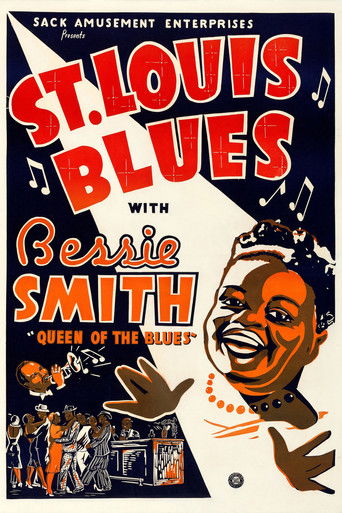
Alec Lovejoy appears in St. Louis Blues (1929), Black and Tan (1929) in this catalog. His brief but notable film career included appearances in two significant early sound musical films that featured prominent Black performers. Lovejoy appeared in 'St. Louis Blues' (1929), starring the blues singer Bessie Smith in her only film appearance, and 'Black and Tan' (1929), featuring Duke Ellington and his orchestra. Both films were important representations of African American culture and music during the early sound era, produced during a time when opportunities for Black actors in mainstream cinema were extremely limited. While his roles were supporting, Lovejoy contributed to these historically significant works that documented African American musical traditions during the Jazz Age. His career appears to have been confined to 1929, coinciding with the brief window when independent producers were creating 'race films' featuring all-Black casts for segregated audiences.
The Craft
Milestones
- Appeared in 'St. Louis Blues' (1929) featuring Bessie Smith
- Appeared in 'Black and Tan' (1929) featuring Duke Ellington
- Participated in early African American sound cinema during the transition to talkies
Best Known For
Iconic Roles
Must-See Films
Working Relationships
Worked Often With
Why They Matter
Impact on Culture
Alec Lovejoy's contributions to early African American cinema, though limited in scope, are historically significant as they represent the participation of Black actors in the transition to sound films. His appearances in 'St. Louis Blues' and 'Black and Tan' place him within the important movement of 'race films' that documented African American culture and performance during a time of segregation in the entertainment industry. These films served as crucial vehicles for preserving Black musical traditions and providing representation for African American audiences who were largely excluded from mainstream Hollywood productions.
Lasting Legacy
Alec Lovejoy's legacy is tied to the preservation of early African American cinema and the documentation of the Jazz Age on film. While his individual contributions may seem modest, his participation in these historically significant musical films ensures his place in the broader narrative of Black film history. The films he appeared in have become important cultural artifacts, studied by film historians and music scholars for their authentic representation of African American musical traditions during the early sound era.
Who They Inspired
As a supporting actor from the early sound period, Alec Lovejoy's direct influence on subsequent generations of performers is difficult to trace. However, his participation in films featuring Black musical legends contributed to the foundation that would eventually lead to greater opportunities for African Americans in cinema. These early films helped demonstrate the commercial viability and artistic merit of Black-centered productions, paving the way for future filmmakers and performers.
Off Screen
Very little documented information exists about Alec Lovejoy's personal life, which was common for many African American supporting actors from the silent and early sound era who were not extensively covered in mainstream press or film industry publications.
Did You Know?
- Appeared in two of the most significant early African American sound films from 1929
- Both films he appeared in featured musicians - Bessie Smith and Duke Ellington
- His entire known film active years covered only one year (1929)
- Participated during the crucial transition period from silent films to talkies
- His films are now considered important historical documents of African American musical culture
- Both 'St. Louis Blues' and 'Black and Tan' were short films, typical of early sound experiments
Frequently Asked Questions
Who was Alec Lovejoy?
Screen credits include two significant early sound films in 1929: 'St. Louis Blues' featuring Bessie Smith and 'Black and Tan' featuring Duke Ellington. His career was brief but historically important as part of early African American cinema.
What films is Alec Lovejoy best known for?
Titles linked here include St. Louis Blues (1929), Black and Tan (1929).
When was Alec Lovejoy born and when did he die?
Specific birth and death dates for Alec Lovejoy are not documented in available historical records, which was common for many supporting actors from this era, particularly African American performers who received limited press coverage.
What awards did Alec Lovejoy win?
There are no documented awards or nominations for Alec Lovejoy, which was typical for many supporting actors of his era, especially those working in independent or 'race film' productions.
What was Alec Lovejoy's acting style?
Due to limited documentation and the brief nature of his film career, detailed information about Alec Lovejoy's specific acting style is not available in historical records.