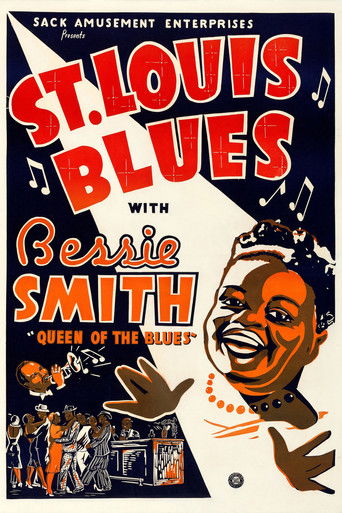
Films
1 film
About Jimmy Mordecai
Actor who appeared during the transition from silent films to early sound cinema in 1929. His sole known film credit is in the musical short 'St. Louis Blues' (1929), which featured the blues singer Bessie Smith in her only film appearance. This film was significant as one of the earliest talking pictures with an all-Black cast, produced during a pivotal moment in cinema history when sound technology was revolutionizing the industry. Mordecai was part of this historic production, though his specific role remains undocumented in surviving records. Like many actors of this era, particularly those from minority backgrounds who appeared in only one or two films, detailed records of his life and career are scarce. His brief appearance in film history coincides with the early days of talking pictures, a time when many performers made single film appearances before disappearing from the cinematic record.
The Craft
Milestones
- Appeared in 'St. Louis Blues' (1929), one of the earliest all-Black cast talking pictures
Best Known For
Must-See Films
Why They Matter
Impact on Culture
Jimmy Mordecai's cultural impact is primarily through his participation in 'St. Louis Blues' (1929), a historically significant film that represented one of the earliest opportunities for African American performers to appear in a talking picture. The film itself is an important cultural artifact, featuring Bessie Smith, the 'Empress of the Blues,' in her only screen appearance. Although Mordecai's role was minor, his inclusion in this film places him within the context of early African American representation in cinema during a period when such opportunities were extremely limited. The film serves as a valuable document of both the musical culture of the era and the gradual inclusion of Black performers in Hollywood productions.
Lasting Legacy
Jimmy Mordecai's legacy is that of a representative figure from the earliest days of African American participation in sound cinema. While his individual contribution may have been small, he was part of a groundbreaking production that helped pave the way for future Black performers in film. His appearance in 'St. Louis Blues' connects him to the broader narrative of racial progress in American cinema during the late 1920s, a time when the film industry was slowly beginning to acknowledge and showcase Black talent beyond stereotypical roles. Though largely forgotten by film history, he represents the many anonymous performers who contributed to the early development of cinema.
Who They Inspired
Due to the limited nature of his film career, there is no documented evidence of Jimmy Mordecai's influence on other actors or filmmakers. His brief appearance in cinema history serves more as a historical footnote rather than an influential career that shaped the industry or inspired future generations of performers.
Off Screen
Very little is known about Jimmy Mordecai's personal life, as he appears to have been a minor character actor who made only one known film appearance during the early sound era.
Did You Know?
- Jimmy Mordecai appeared in 'St. Louis Blues' (1929), which featured blues legend Bessie Smith in her only film appearance
- The film was one of the earliest talking pictures with an all-Black cast
- 'St. Louis Blues' was based on the famous W.C. Handy composition of the same name
- The film was produced during the pivotal transition from silent to sound cinema
- 1929 was the first full year that Hollywood produced talking pictures exclusively
- Very few actors from early all-Black cast films have detailed biographical records
- The film was a two-reel short, running approximately 16 minutes
- Early sound films like this often featured performers who appeared in only one or two productions
Frequently Asked Questions
Who was Jimmy Mordecai?
Screen credits include 1929 during the early sound era of cinema. His only known film credit is in the musical short 'St. Louis Blues' (1929), which featured Bessie Smith and was one of the earliest talking pictures with an all-Black cast.
What films is Jimmy Mordecai best known for?
Titles linked here include St. Louis Blues (1929).
When was Jimmy Mordecai born and when did he die?
Unfortunately, specific birth and death dates for Jimmy Mordecai are not documented in surviving film records. This is common for minor character actors from the early sound era who appeared in only one or two productions.
What awards did Jimmy Mordecai win?
There are no records of Jimmy Mordecai receiving any awards or nominations for his work in film. As a minor character actor who appeared in only one known production, he would not have been eligible for major industry recognition during that era.
What was Jimmy Mordecai's acting style?
Due to the limited documentation of his work and the fact that his only known appearance was in a minor role, there is insufficient information to determine Jimmy Mordecai's specific acting style or techniques.
Why is Jimmy Mordecai significant in film history?
While Jimmy Mordecai himself was not a major figure, his participation in 'St. Louis Blues' (1929) makes him part of a historically significant production that represented early African American representation in sound cinema during a pivotal moment in film history.